

UPDATE · 4 AUGUST 2026
SpaceX has now listed and filed its first quarterly results. Revenue came in at $7.81 billion against consensus near $6.9 billion, alongside $18.37 billion of capital expenditure. For the numbers and what they mean for the stock, read SpaceX Q2 Earnings: The Beat That Cost $18 Billion, or see the full SPCX lock-up calendar.
THIS STORY CONTINUED · 28 JULY 2026
Scenario two happened. The “volatile orbit” path mapped out below is the one the market took. SPCX priced at $135, peaked at $225.64 on 16 June, and by 28 July was trading near $107.36, well below the IPO price.
The article you are reading is the pre-listing analysis, kept as written. For what has happened since, the lock-up calendar now driving the price, and the two August dates that decide the next leg, read SPCX Stock: The IPO That Fell Below Its Price.
UPDATE · 1 JULY 2026
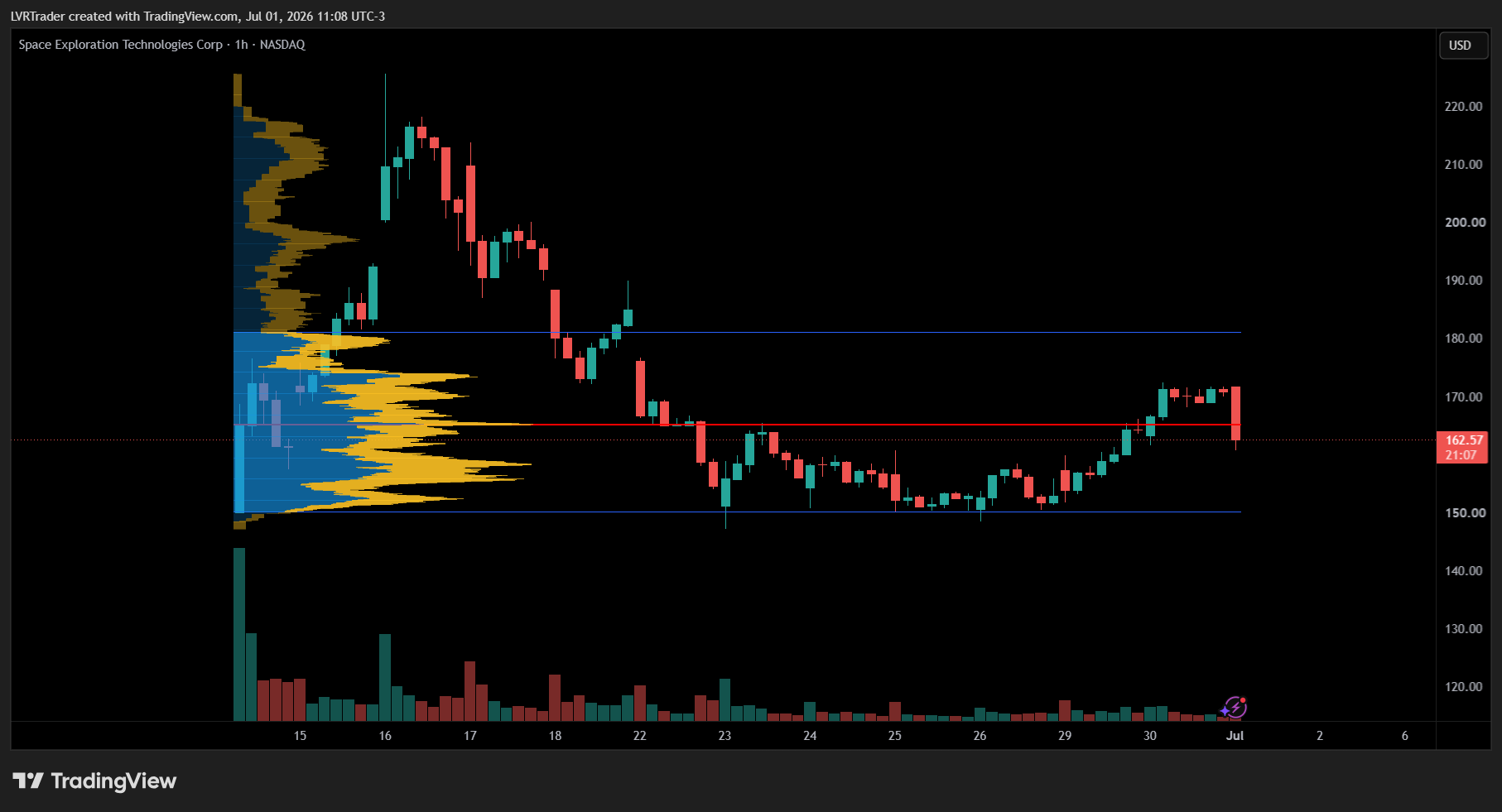
SpaceX went public on 12 June 2026, and the “volatile orbit” scenario below is exactly what played out. Here is where things stand three weeks later:
- The debut: priced at $135/share on 11 June, raising $75 billion, the biggest IPO in history. SPCX opened at $150 on 12 June and closed its first day at $160.95, up 19.2%
- The euphoric top: the stock kept climbing to an all-time high of $225.64 on 16 June, just four trading days in, up nearly 67% from the offer price
- The trap: from that high it fell roughly 28% in three sessions to an all-time low of $147.11 on 23 June, barely above the IPO price and a textbook example of the “clean liftoff” reversal this article warned about
- Where it sits now: as of 1 July 2026, SPCX trades around $170.86, roughly 27% above the $135 offer price but still about 24% below its 16 June peak
- Nasdaq-100 inclusion: confirmed to join the index after market close on 6 July, effective 7 July, a mechanical event expected to trigger a wave of index-fund buying
- Analysts are split: Wedbush initiated coverage with an Outperform rating and $190 target; CFRA Research initiated at Sell with a $115 target, well below the IPO price, calling the valuation “borderline comical.” Consensus average target sits near $188
- Newsflow: reports of talks with Charter Communications on a mobile/wireless partnership; next earnings report due 6 August 2026; Musk’s 366-day lock-up remains in force
The lesson so far: anyone who chased the 16 June high is sitting on a paper loss even after the stock’s later bounce. Anyone who waited for a real base, as this article recommended, has had a calmer three weeks. Nothing here is a forecast of where SPCX goes next.
UPDATE · 4 JUNE 2026
The IPO terms are now official. On 3 June 2026 SpaceX filed Amendment No. 2 to its Form S-1 with the SEC and released its roadshow deck. The confirmed terms:
- Price: expected at $135.00 per share, with SpaceX confirming retail investors get the same offer price as institutions
- Size: 555.6 million Class A shares (all primary), plus a 15% over-allotment, raising roughly $75 billion (up to about $86 billion if the over-allotment is taken in full)
- Listing: ticker SPCX, on Nasdaq and Nasdaq Texas
- Expected pricing date: 11 June 2026, with trading expected to begin shortly after
- Lock-up: 366 days for Elon Musk; other holders release on a staggered schedule, some as early as the Q2 2026 earnings window, rather than a single 180-day cliff
- Use of proceeds: AI compute infrastructure, launch vehicles and infrastructure, and satellite-constellation expansion
All share and price figures reflect SpaceX’s 5-for-1 stock split (effective 4 May 2026). Lead bookrunners: Goldman Sachs, Morgan Stanley, BofA Securities, Citigroup and J.P. Morgan. These are preliminary terms and can still change before pricing.
Official sources: SpaceX IPO site · SEC Form S-1/A (3 Jun 2026) · Roadshow deck (PDF)
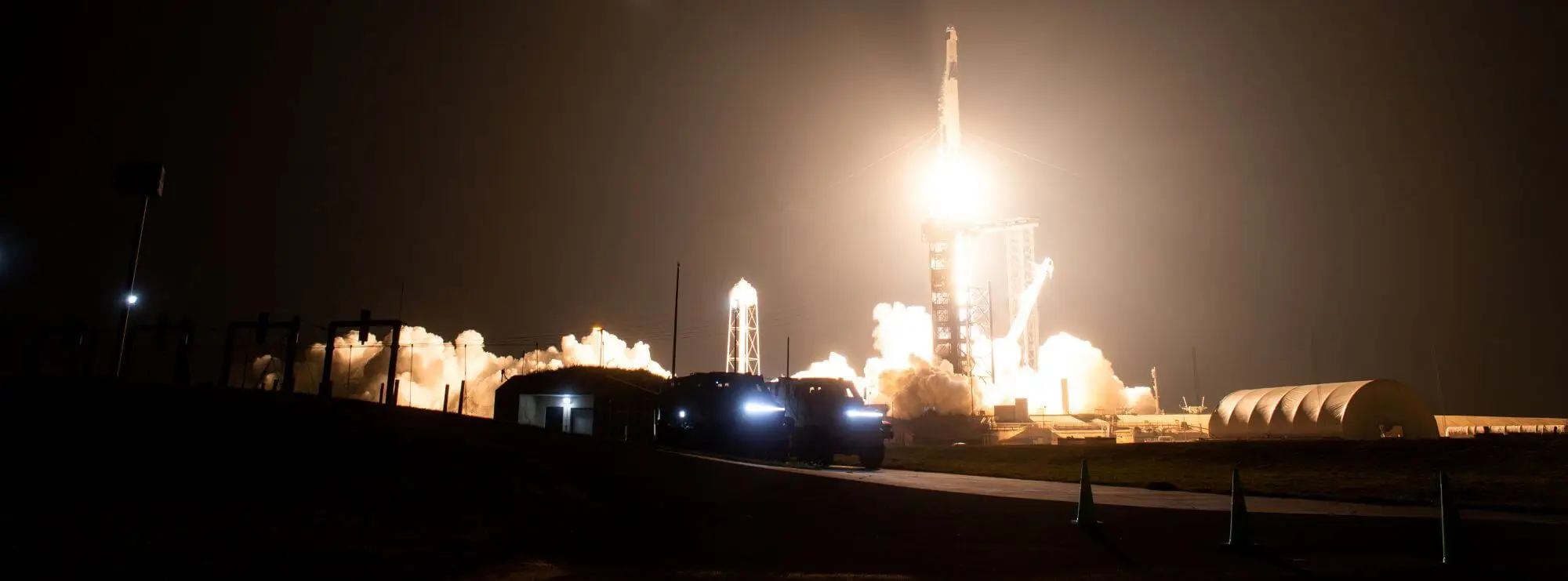
It is just after dawn at Starbase, Texas, and a thirty-three-engine Starship is venting vapour into a pink sky while, four thousand kilometres away on Wall Street, a different kind of ignition is about to happen. On 20 May 2026, the largest private company on Earth filed its S-1 with the Securities and Exchange Commission, and the entire planet hit refresh. SpaceX is going public. Ticker SPCX, on the Nasdaq, with pricing expected on 11 June 2026 and trading beginning shortly after, now about a week away.
The number that detonated across every terminal was the valuation target: $1.75 trillion to $2 trillion. If it prices anywhere in that range, this becomes the largest initial public offering in human history, dwarfing the previous record holder, Saudi Aramco, which raised $25.6 billion in 2019. SpaceX is seeking to raise as much as $75 billion in a single afternoon. Goldman Sachs leads a syndicate of more than twenty banks. Elon Musk will walk away controlling around 82% of the voting power and, quite possibly, becoming the world’s first trillionaire.
To grasp the scale, here is the company SpaceX is about to leapfrog. These are the largest IPOs ever recorded, by money raised.
| Company | Year | Raised | Valuation at IPO | Exchange |
|---|---|---|---|---|
| SpaceX (2026, projected) | 2026 | ~$75B target | $1.75–2T target | Nasdaq |
| Saudi Aramco | 2019 | $25.6B | ~$1.7T | Tadawul |
| Alibaba | 2014 | $21.8B | ~$168B | NYSE |
| SoftBank Corp | 2018 | $21.3B | ~$64B | Tokyo |
| NTT DoCoMo | 1998 | $18.1B | —* | Tokyo |
| Visa | 2008 | $17.9B | ~$35B | NYSE |
| 2012 | $16.0B | ~$104B | Nasdaq | |
| Rivian | 2021 | $11.9B | ~$67B | Nasdaq |
Raised = capital collected at offering (Aramco reached roughly $29.4B with its over-allotment). Valuation at IPO = approximate market value implied by the offer price; first-day trading often differed sharply (Alibaba closed near $231B day one; Visa near $45B). A company only sells a slice of itself, which is why a ~$2T company can raise ~$75B. *NTT DoCoMo floated a minority stake in 1998 and no clean comparable USD listing valuation is reliably documented; it became Japan’s third-largest listed company at the time. SpaceX’s target would make it the largest IPO in history on both measures.
And here is the moment where most coverage loses the plot. It treats this as a story about rockets, or about Musk, or about getting rich. It is none of those things for you. For a trader, the SpaceX IPO is the single largest behavioural experiment Wall Street has run since the dot-com bubble, and you are about to live inside it. The rocket is real. The revenue is real. The early price action will be pure psychological warfare, and the debut will tell you almost nothing about where this stock actually ends up.
This is the field guide. We are going to walk through what SpaceX really is beneath the Mars headlines, what history’s biggest listings did to the people who chased them, three ways this could play out, and the exact discipline that separated the traders who survived those past manias from the ones who got vaporised. Every number here comes from the filing or from the public record. Let’s begin.
The Rocket Company That Just Became Public Property
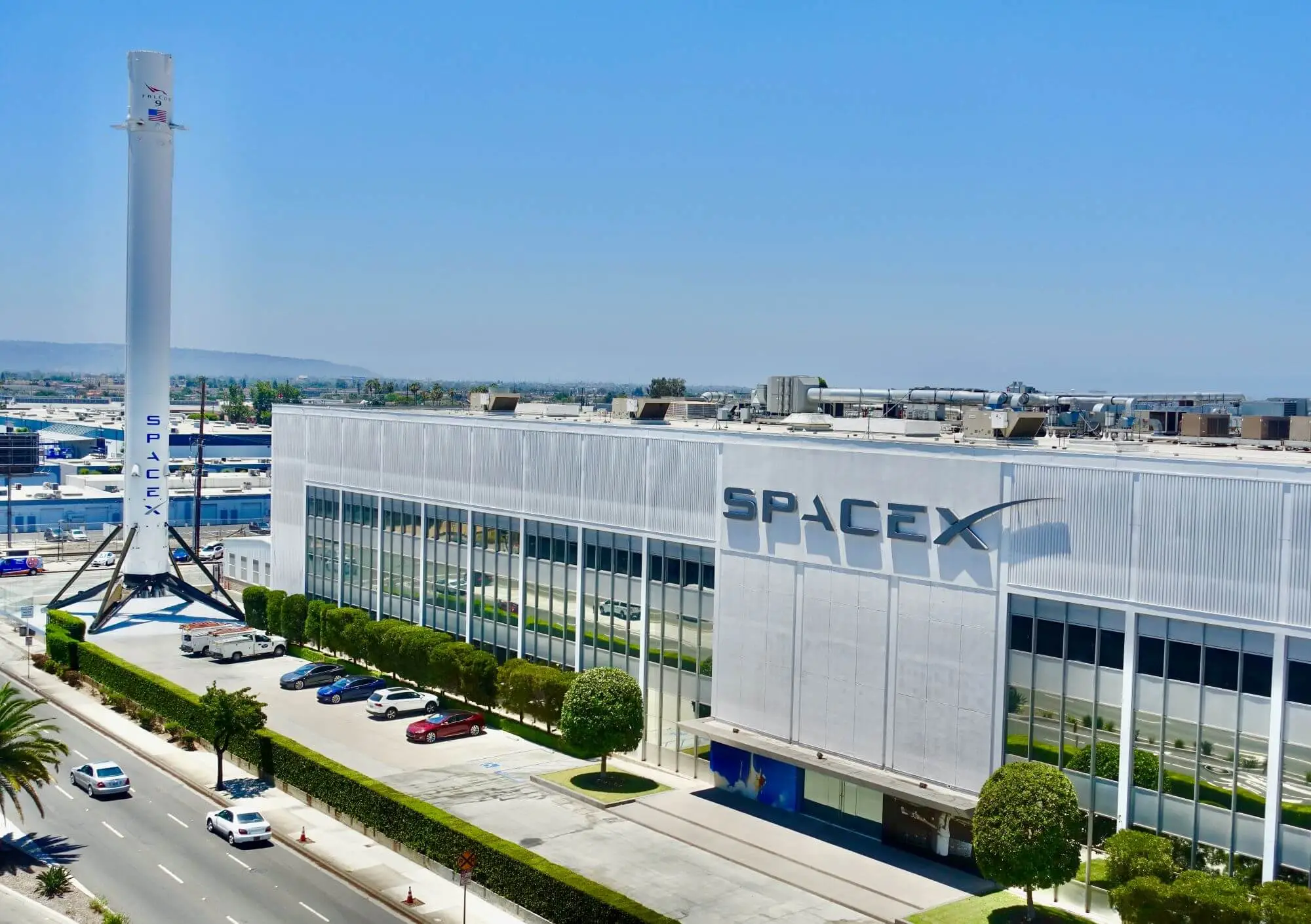
Strip the S-1 down to bone and you find three very different businesses wearing one skin, sold to you under a single trillion-dollar price tag. Understanding the seams between them is the whole game, because the crowd is about to trade the Mars story while the disciplined trade the filing.
The first business is the cash engine: Starlink. In 2025 it generated roughly $11.4 billion in revenue, about 61% of the entire company, and unlike everything around it, it actually makes money, posting income from operations near $4.4 billion and adjusted EBITDA of about $7.2 billion. Subscribers reached 10.3 million by the end of March 2026, more than double a year earlier. The constellation now numbers around 9,600 satellites, well over half of everything operating in orbit, beaming service to 164 countries. SpaceX launched so many of them that 122 of its 165 Falcon flights in 2025 were Starlink missions. This is not hype. This is a profitable global utility, and it is the floor under the valuation.
The second business is launch and infrastructure, the part everyone pictures. It is dominant to the point of monopoly, carrying more than 80% of all the mass humanity put into orbit in 2025. It is also capital-hungry, because Starship is still being developed and proven, and the next-generation V3 Starlink satellites, each carrying a terabit per second of capacity, are scheduled to start deploying on Starship in the second half of 2026.
The third business is the one the rocket photos quietly bury, and it is the most important thing in the entire filing. In February 2026, SpaceX absorbed Musk’s AI venture, xAI. That AI segment is a furnace. It lost roughly $6.4 billion from operations in 2025 and consumed about $12.7 billion in research spending. SpaceX states in the filing that it expects to begin deploying orbital AI compute satellites as early as 2028. In plain English: Starlink’s profits are being shovelled straight into an enormous, unproven AI bet.
Put the three together and the consolidated 2025 picture is a company growing fast and bleeding at the same time: revenue of about $18.7 billion, up roughly 33% year over year, adjusted EBITDA near $6.6 billion, and yet a net loss of about $4.9 billion, because it is investing at warp speed. At the target valuation, you would be paying somewhere around 95 to 105 times the company’s 2025 revenue.
THE CORE TENSION YOU ARE BEING ASKED TO PRICE
You are not buying a rocket company. You are buying a profitable satellite utility that is deliberately funding one of the largest and least-proven AI bets in history, priced near a hundred times revenue, with a founder who holds most of the votes. The traders who come out ahead will be the ones who size that tension honestly, not the ones who fall in love with the Starship render.
Two things genuinely separate SpaceX from the cautionary tales we are about to walk through, and honesty demands we name them. First, its core is already profitable at the Starlink level, which most hyped IPOs never were. Second, Musk’s roughly 82% voting control means the company answers to its founder, not to quarterly market moods. Whether those are strengths or risks depends entirely on the price you pay and the time horizon you hold. Which brings us to the part of this story that has happened before, many times, and always rhymes.
History Doesn’t Repeat, But It Rhymes Loudly
Every generational IPO sold the same promise SpaceX is selling: this one is different, this one changes everything. Here is what actually happened to the people who believed the day-one hype. Five stories, five endings, one shared lesson.
Facebook, 2012: the dud that became a dynasty
Facebook priced at $38 on 18 May 2012 and raised $16 billion, the largest tech debut of its era. Then the Nasdaq’s systems glitched on the open, the first-day pop never came, and the stock began to bleed. By September it had collapsed to around $17.55, a fall of more than 50%, and the August lock-up expiry dumped 271 million insider shares onto the market and drove it lower still. It took until August 2013, more than fourteen months, just to crawl back to its $38 IPO price. Most day-one buyers had long since sold the bottom. The prize they handed away? Over the following decade Facebook grew more than tenfold and became one of the great compounding machines in market history. The fortune was real. It went to the patient, not the early.
Alibaba, 2014: the euphoric pop that punished chasers
Alibaba was the biggest IPO the world had ever seen at the time, raising $21.8 billion. It priced at $68 and exploded 38% on day one to close near $94. By November it touched $119, up 75% from the offer. Chase that, and you felt like a genius for about eight weeks. Then China growth fears hit, and by August 2015 the stock had sliced clean through its IPO price into the high $50s. Years later it rocketed past $300, a peak gain of roughly 366%, then surrendered most of those gains in Beijing’s regulatory crackdown. Alibaba is the cautionary tale hiding inside the bull case: even a real, profitable, dominant company can hand early chasers years of whipsaw.
Saudi Aramco, 2019: the “largest ever” that still fell
This is the parallel SpaceX is about to dethrone, and the most instructive of the five. Aramco was the largest IPO in history, raising $25.6 billion, the most profitable company on Earth, backed by a state determined to defend its prestige. If any listing was a sure thing, this was it. It rose about 10% on debut and touched roughly 19% above the offer within two days. Then it slipped below its IPO price by early January 2020, and by 16 March 2020 it had fallen about 29% below where it listed. The biggest, safest, most profitable IPO ever still burned anyone who bought the debut and needed their money back quickly. It recovered over the following years and eventually traded about a third above its offer, but “biggest and most profitable” never meant “immune.”
Uber, 2019: the slow, grinding road back
Uber priced at $45 on 10 May 2019 and fell nearly 8% on its first day, one of the largest first-day dollar losses in US IPO history, roughly $655 million evaporated. It closed 2019 around $30, down a third. Then the pandemic hit and it cratered to $14.82 in March 2020, a fall of about two-thirds from the IPO price. The grind back took years and required the company to do the unglamorous thing and actually reach profitability, which it achieved in 2023 before joining the S&P 500. It eventually traded back above $90, roughly double its IPO price. The lesson is patience measured in years, and a reminder that an unproven path to profit gets punished hardest when the macro turns.
Rivian, 2021: the moonshot that cratered
Rivian is the ghost at this feast. The largest EV IPO ever, it priced at $78 on 10 November 2021 and raised nearly $12 billion, riding a wave of electric-vehicle euphoria and its own Mars-sized growth story. It surged 29% on day one and kept climbing, closing at $172 just six days later, a gain of about 120%, and briefly became the third most valuable automaker on the planet behind only Tesla and Toyota, despite selling almost no cars. Then reality arrived. Production targets were missed, the losses mounted, and the stock collapsed roughly 75% within its first year. Today it trades around 85% below its offer price. Rivian is what the failure-to-launch scenario actually looks like: a beloved brand, a visionary founder, a real product, and a valuation so far ahead of the fundamentals that gravity did the rest.
The pattern is not “famous IPOs fail.” Facebook became a dynasty. The pattern is that the early days are about emotion and supply, not fundamentals. Put the five side by side at the only checkpoints that can be verified cleanly, and the story jumps off the page.
| IPO (offer price) | Day-one close | Worst of year one | Where it went |
|---|---|---|---|
| Facebook ($38) | flat (~+1%) | −54% | up more than tenfold |
| Alibaba ($68) | +38% | −15% | +366% peak, gave most back |
| Saudi Aramco ($8.53) | +10% | −29% | +33% peak |
| Uber ($45) | −8% | −67% | +110% |
| Rivian ($78) | +29% | about −67% | about −85% |
Returns vs IPO offer price. “Worst of year one” is the lowest close within the first 12 months; “where it went” is a later peak or recent level. Figures verified against exchange data and filings.
Every single one fell underwater in its first year. Even Aramco, the largest and most profitable. The debut pop, when there was one, predicted nothing: Rivian was up 120% in a week and is down about 85% now; Facebook was a first-week disaster and became a dynasty. What separated the winners was never the open. It was what the holder did next.
The chart below tracks all five at once, plotted by days from their listing. Watch how every line dips below the surface in year one, and then how violently their paths diverge.
Don’t take my word for it. Pick one of these listings, choose what you would have put in on day one, and watch what your stake actually did, the plunge first, then where it ended.
And the market they land in
There is a second pattern worth respecting, and it sits above the individual stocks. Record-breaking IPOs tend to arrive when the broad market is euphoric, because that is exactly when companies choose to sell. Look at the timing. Aramco listed in December 2019, weeks before the Nasdaq fell about 30% in the COVID crash. Rivian listed on 10 November 2021. The Nasdaq peaked nine days later, on 19 November, then slid into a brutal bear market that took it down roughly 33% by October 2022. The biggest EV listing in history rang the bell within sight of the exact top.
That is not causation, and a record IPO does not “cause” a crash. But the conditions that produce a record listing, abundant liquidity and roaring risk appetite, are often the same conditions that precede volatility. There are real mechanical effects too: a mega-listing can pull liquidity out of existing names, trigger sector rotation, and set off sympathy moves in related stocks. Space names like AST SpaceMobile and Rocket Lab have already run up on SpaceX-IPO anticipation. And index inclusion can supercharge a move, as it did when Tesla joined the S&P 500 in December 2020 after an enormous run. SpaceX now arrives with the Nasdaq at a record high near 26,700. The chart below shows where each of these giants listed against the index. History’s message is not “a crash is coming.” It is “respect the altitude.”
One more piece of context sharpens the point. SpaceX is not arriving alone. It looks set to be the first in a wave of giants testing public markets, with OpenAI reportedly preparing its own confidential IPO filing and other private heavyweights weighing listings of their own. When several record-sized offerings chase the same pool of capital in a short window, the competition for investor dollars itself becomes a force, capable of pulling money out of existing names and amplifying the rotation. The size of SpaceX matters, but so does the company it keeps on the calendar.
Three Feature Films the Market Is About to Live Through
Nobody can hand you a credible probability for an unprecedented event, and anyone quoting you a precise percentage is selling confidence they do not have. So forget forecasts. Instead, live inside each scenario for a moment, because the trader who has already felt a future is the one who does not panic when it arrives. Each of these has happened before, to one of the names you just read about.
Scenario one: the clean liftoff
The bell rings and demand is ferocious. SPCX opens well above its offer price and runs, Starlink’s subscriber strength carrying the narrative while the AI losses get reframed as “the cost of owning the future.” Headlines scream that you missed it; your group chat is euphoric; the urge to buy at any price becomes physical. This is the Alibaba opening, and the trap inside it is brutal, because even Alibaba and Facebook eventually handed back enormous chunks to anyone who bought the euphoria. What the survivors did here was discipline that felt like cowardice. They placed no new buys in the first sessions, they waited for the stock to build a genuine base it could defend over real days rather than minutes, and they entered small on a calm retest rather than a screaming breakout. A trend you join a little late still pays for years. A top you buy in a frenzy can take fourteen months to break even, if you are lucky enough to be Facebook, and never, if you are Rivian.
Scenario two: the volatile orbit
This is the base case for giant listings, and it is messy. SPCX pops, then chops. It rips higher one week and gives most of it back the next. Whisper talk about the lock-up expiry starts circulating and the stock drifts lower into that date as early holders position to sell. Commentary flips from “generational” to “overvalued” inside a single news cycle. Most retail accounts bleed here, not because the company fails, but because the violence shakes them in and out at the worst possible moments. This is the Facebook and Uber experience. What the survivors did was let the chaos work for them: they split their intended position into pieces and bought weakness rather than strength, they marked the lock-up date as a known storm rather than a surprise, and they tracked the business, Starlink subscribers and the trend in those AI losses, instead of the minute-by-minute quote. Boredom was the strategy.
Scenario three: failure to launch
The valuation meets the math. Institutions that received allocation flip it for a fast profit, heavy selling hits in the first week, and the AI furnace’s losses suddenly read as a red flag instead of a moonshot. The whole space sector catches the contagion, dragging down every rocket and satellite stock that ran up in sympathy. This is the Rivian story, and it is uglier and more common than the crowd wants to believe. Down 40% in a month, lower still into the lock-up, forums full of people who put their savings into the opening print. What the survivors did here looked foolish on day one and wise by day ninety: they held little or nothing, because cash is a position. They let the crowd discover the real price, and they kept dry powder for the moment when fear, not greed, was setting the quote.
Notice the thread running through all three. In the bull case you wait, in the base case you wait, in the bear case you wait. The disciplined move is almost always some version of let price prove itself before you commit size. That is not timidity. That is the job.
| Scenario | First weeks | Lock-up effect | Historical echo | What survivors did |
|---|---|---|---|---|
| Clean liftoff | Sharp premium, strong trend | Mild dip into supply | Alibaba | Wait for a base, then add small |
| Volatile orbit | Violent two-way chop | Real drag as supply clears | Facebook, Uber | Scale in on weakness, respect the date |
| Failure to launch | Deep discount, heavy selling | New lows | Rivian | Hold cash, buy the fear later |
The Playbook the Survivors Actually Ran
Preparation is not watching the news more closely. It is concrete work done now, while you are calm, so the listing finds you ready instead of reactive. Here is the sequence the disciplined followed.
Before the listing, this week. Decide the single largest amount of your portfolio you will ever let SPCX represent, as a dollar figure, today. For most people building real wealth, a speculative single name like this belongs in the low single digits of the total portfolio, often somewhere around 1 to 3%. Write that number down; it is a hard ceiling across every future purchase combined, and it does not move because the stock is ripping. Then split that ceiling into three or four tranches with pre-decided conditions, read the actual filing or a sober summary rather than the rocket headlines, and mark the lock-up dates now that they are known: 366 days for Musk, with a staggered, partly earlier release for other holders.
The first month. Do nothing fast. The opening prints are the least informative prices this stock will ever show, because they are pure emotion and constrained supply. Let the first sessions build a real range. The survivors waited for the stock to defend a higher low on convincing volume before committing a first, small tranche. The cost of being a few days late is tiny. The cost of buying the emotional top is enormous, and the five stories above are the receipts.
Your monitoring dashboard. Once you hold anything, anchor every decision to the business, not the ticker’s mood. The signals that actually matter are knowable: Starlink subscriber growth and whether revenue per user keeps compressing as it pushes into cheaper markets, Starship’s deployment and test cadence, and above all the trajectory of those AI losses, because that single trend decides whether this is a profitable utility with an upside option attached or a cash furnace with a rocket logo.
The leverage trap. When SpaceX lists, brokers worldwide will offer access, and many will push it as a leveraged contract for difference, letting you control a large position with a small deposit. Understand exactly what that does on the most volatile, least-discovered stock of the year. Volatility that an ordinary cash holder can simply wait out will trigger a margin call and force a leveraged trader to sell at the precise bottom, and losses can exceed the original deposit entirely. The Uber holder who rode from $45 down below $15 and back above $90 only won because they were never forced to sell. Leverage removes that choice. If you do not yet deeply understand position sizing and the mathematics of risk of ruin, an unprecedented IPO is the worst classroom on Earth to learn them in. There is no rule that says you must hold a position on day one. There is barely a rule that says you should.
The tools, named honestly. Experienced options traders sometimes use defined-risk structures to express a view on volatility around events like a lock-up expiry, or to build a long position gradually on weakness. These are advanced instruments that can lose their entire premium, they are not free insurance, and they are wholly inappropriate for anyone who has not traded options through a real drawdown. Mentioning that they exist is not a recommendation to use them.
The dopamine audit. Every Sunday evening, run a sixty-second honesty check. Am I refreshing the price more than a couple of times a day? Did I move a stop loss this week because of fear or greed rather than a plan? Am I feeling personally vindicated, or personally attacked, by a stock’s moves? If the answer to any of those is yes, the emotion is driving, and the correct response is to reduce size, not to add. An event engineered from top to bottom to flood you with feeling is exactly when a calm, written, pre-committed plan is worth the most.
Final Transmission
One day, perhaps within the lifetime of someone reading this, a human being will stand on Mars and look back at a pale blue dot, and a piece of the machinery that put them there will trace back to a filing that hit SEC servers on a Wednesday in May 2026. That is the vision, and it is genuinely stirring. But a vision is not a trade.
The SpaceX IPO will mint some fortunes and incinerate others. The difference will not come down to who loved space the most, or who believed in Musk the hardest. It will come down to who treated the loudest financial event of the decade as a discipline problem rather than a story, and who had a plan written down before the story started screaming. Watch the company, not the candle. Wait for price discovery, not the opening bell. Size for the crash, not the moon. Respect the altitude. And remember, always, that cash is a position you can never be margin-called out of.
Eight IPOs, Eight Endings, One Decision
We have now broken down eight of history’s biggest and most instructive listings, one full case study each, and put together they are not eight separate stories. They are eight versions of the same decision you are about to face with SPCX. Here is the whole map in one place.
| The listing | The ending | The SpaceX scenario it maps to |
|---|---|---|
| Amazon, 1997 | Down more than 90%, then a 2,000x survivor | SpaceX as the generational compounder, if you can hold through the catastrophe |
| Google, 2004 | Fair-priced debut, compounded 60x with no near-death | The price discipline SpaceX’s hyped, bank-led deal will not give you for free |
| Facebook, 2012 | Flat debut, −54%, then a tenfold dynasty | The volatile orbit: a weak start that says nothing about the decade |
| Alibaba, 2014 | +38% pop, then through the floor | The clean liftoff, where the euphoric open is the insiders’ exit |
| Visa, 2008 | Launched into a crisis, compounded for two decades | The moat lesson: Starlink’s toll-bridge matters more than the macro mood |
| Aramco, 2019 | Biggest ever, still fell about 29% | The reminder that largest and safest do not mean immune |
| Uber, 2019 | Broken debut, −67%, then doubled over years | The grind: recovery earned by the business, on its timeline, not yours |
| Rivian, 2021 | +120% in a week, then about −85% with no recovery | The failure to launch, the ending the crowd refuses to believe applies to them |
Read across that table and the pattern is impossible to miss. The debut told you almost nothing. Amazon and Facebook opened unremarkably and became dynasties. Alibaba and Rivian exploded on day one, and both punished the people who chased the open, one temporarily, one permanently. The ending was never decided at the bell. It was decided by what the holder did over the months and years that followed, and by whether they had sized the position to still be holding when the verdict finally arrived.
There is one structural thread that ties the brightest outcomes together and points straight at SpaceX. Amazon had AWS. Visa had its payment network. Google had search. In every durable winner, an unglamorous, high-margin engine quietly funded the ambition around it. SpaceX is built on exactly that shape. Starlink is the toll-bridge, a profitable, recurring-revenue utility with few real competitors, and its cash is being shovelled into the speculative, capital-hungry bet sitting beside it. That is the single most important question the filing asks you to price: is the toll-bridge strong enough, and growing fast enough, to fund the moonshot without the whole structure buckling? Visa says a real moat survives almost anything. Rivian says a story without one does not. SpaceX is asking you to decide which template it follows, and the honest answer is that nobody knows yet, which is precisely why size and patience, not conviction, will decide who comes out ahead.
The Aftermath: A $60 Billion Coding Deal and a $25 Billion Bond Sale
If you wanted proof that SpaceX intends to spend its new equity currency fast, the three weeks after listing delivered it twice over. Both moves matter for anyone still deciding what to do with the stock, and neither made it into the original version of this article because neither had happened yet.
The Cursor acquisition
On 16 June 2026, four days after its Nasdaq debut, SpaceX confirmed it would acquire Anysphere, the parent company of the AI coding tool Cursor, for $60 billion in an all-stock deal. It is the largest acquisition of a venture-backed startup on record, roughly double Google’s $32 billion purchase of the security firm Wiz. The deal traces back to an option SpaceX secured in April: buy Cursor outright for $60 billion later in the year, or pay a smaller break-up fee to keep the partnership informal. SpaceX chose the buyout. The exchange ratio is set by SpaceX’s volume-weighted average share price over the seven trading days before close, and the acquisition is expected to complete in the third quarter of 2026, pending regulatory approval.
Cursor’s numbers explain the price tag. Founded in 2022, the company crossed roughly $2.6 billion in annualized revenue by June 2026, up from about $2 billion in February, making it one of the fastest-growing software businesses on record. More than half the Fortune 500 reportedly uses it, and its backers include some of the most closely watched names in venture capital. The strategic logic is straightforward: SpaceX absorbed Musk’s AI venture xAI in February 2026, and xAI’s Grok models have struggled to gain traction in the enterprise coding market where Cursor already has distribution. Buying the front end pairs SpaceX’s compute with a product enterprises already pay for.
The skeptical case is just as straightforward. xAI lost about $6.4 billion from operations in 2025, and folding in Cursor’s revenue does not make the combined AI unit profitable. SpaceX has not disclosed granular detail on Cursor’s customer concentration or margins, and some of SpaceX’s compute agreements reportedly carry short, 90-day termination clauses, which means the “captive infrastructure” thesis behind the deal depends on commercial arrangements that are not yet locked in. For traders, the read-through is simple: this is the AI-furnace risk flagged earlier in this article, now with a concrete dollar figure and a named acquisition attached to it.
The $25 billion bond offering
Ten days after the IPO, SpaceX went back to the capital markets, this time for debt. On 22 June 2026 the company announced a senior unsecured notes offering, originally sized around $20 billion; demand pushed it to $25 billion across five tranches, with coupons ranging from 5.35% on the shortest 2031 notes to 6.65% on the longest 2056 notes. SpaceX disclosed nearly $90 billion in investor orders for the sale, and used the proceeds primarily to retire a $20 billion bridge loan taken out in March when it absorbed xAI, with the remainder earmarked for Starlink, Starship, and AI infrastructure spending.
The market’s reaction split along asset-class lines. Bond investors treated the deal as a normal, if closely watched, investment-grade issuance. Equity investors reacted differently: SPCX fell more than 13% in the week the bond sale was announced, and multiple analysts flagged that a company which had just raised roughly $86 billion in an IPO was tapping debt markets again within two weeks, on top of a $5 billion net loss and capital expenditure that had more than doubled year over year. One analyst’s framing is worth carrying forward: owning both SPCX equity and SpaceX bonds is not diversification, because both instruments are exposed to the same execution risk. Starlink has to keep scaling and Starship has to keep working, and the equity story and the debt-service story both depend on it.
Why this belongs in your monitoring dashboard. Both moves push SpaceX further from “profitable satellite utility with an AI side bet” and further toward “AI-and-infrastructure conglomerate funded by equity, debt, and Starlink’s cash flow all at once.” That is not automatically bearish, plenty of durable companies run on a mix of equity and debt. But it raises the bar for what “the AI losses stop growing” needs to look like before the thesis in this article’s core tension box can be called resolved either way.
SpaceX IPO: Frequently Asked Questions
When is the SpaceX IPO and what is the ticker?
SpaceX filed its S-1 prospectus with the SEC on 20 May 2026 and plans to list on the Nasdaq under the ticker SPCX. SpaceX expects to price the offering on 11 June 2026, with trading beginning shortly after, and it will list on both Nasdaq and Nasdaq Texas. Always confirm against the filing and official announcements.
How big is the SpaceX IPO compared to past records?
At a reported target of about $75 billion raised and a roughly $1.75 to $2 trillion valuation, it would be the largest IPO in history by a wide margin. The previous record was Saudi Aramco, which raised $25.6 billion in 2019. Alibaba ($21.8 billion, 2014) and SoftBank Corp ($21.3 billion, 2018) round out the prior top three.
Is SpaceX actually profitable?
Not on a consolidated basis. In 2025 it generated about $18.7 billion in revenue but posted a net loss near $4.9 billion. The nuance that matters: its Starlink division is solidly profitable, contributing roughly $11.4 billion in revenue and about $4.4 billion in operating income, while the newly absorbed AI segment lost around $6.4 billion from operations, pulling the whole company into the red.
Should I buy SpaceX stock on day one?
This is not financial advice, but history offers a clear caution. Among the five largest hyped listings of the past 15 years, every single one fell below its level at some point in the first year, and the day-one move predicted nothing about the long-term outcome. Many disciplined traders wait for a genuine trading range to form rather than chasing the opening print.
What is an IPO lock-up and why does it matter for SPCX?
A lock-up contractually stops insiders and early investors from selling immediately after the IPO. For SPCX, the filing sets a 366-day lock-up for Elon Musk and a staggered, partly earlier release for other holders, rather than the single 180-day cliff that is common elsewhere. When it expires, a wave of new supply can hit the market and push the price down, sometimes even in the days beforehand as holders position ahead of it. It is one of the few genuinely predictable supply events around any listing, so it is worth marking in your calendar.
Can I short SpaceX or trade it with leverage?
Once listed, many brokers will offer SPCX, and some will offer it as a leveraged contract for difference. On the most volatile, least-discovered stock of the year, leverage is acutely dangerous: a swing a cash holder could simply wait out can trigger a margin call and force a sale at the bottom, and losses can exceed your deposit. Understanding position sizing and risk of ruin matters far more than access to leverage.
What is the single biggest risk in the filing?
The AI furnace. SpaceX is deliberately funnelling Starlink’s profits into a large, unproven AI bet, with orbital AI compute not expected to begin deploying until as early as 2028. The trajectory of those AI losses is the number that decides whether you own a profitable utility with an upside option, or a cash-burning bet with a rocket logo.
How could the SpaceX IPO affect the wider market?
A listing this large can pull liquidity from existing names, trigger sector rotation, and set off sympathy moves in related space stocks. It also arrives with the Nasdaq at record highs and amid a broader wave of giant listings competing for the same capital, so the macro backdrop deserves as much attention as the company itself.
What is the Cursor acquisition and why did SpaceX do it?
On 16 June 2026 SpaceX agreed to acquire Anysphere, the maker of the AI coding tool Cursor, for $60 billion in an all-stock deal, the largest venture-backed startup acquisition on record. The move pairs SpaceX’s compute infrastructure with a fast-growing enterprise coding product, aiming to strengthen the AI segment absorbed from xAI. The deal is expected to close in Q3 2026, funded entirely with newly minted SpaceX shares rather than cash.
Why did SpaceX raise $25 billion in debt right after its IPO?
On 22 June 2026, ten days after listing, SpaceX priced a $25 billion senior unsecured notes offering across five tranches to refinance a $20 billion bridge loan and fund Starlink, Starship, and AI infrastructure spending. The debt sale drew nearly $90 billion in orders, but SPCX shares fell more than 13% that week as some investors read the fast return to capital markets as a sign of how much cash the company’s expansion still requires.
Keep Reading
The discipline in this article, the mindset to stay calm, the method to read the event, and the money management to survive it, is the entire foundation of
The Complete Trader’s Edge
And for the human stories behind every boom, bust, and euphoric top in market history, Market Mayhem: When Greed Meets Gravity is your companion read.
Sources for the 1 July 2026 update
- CNBC, “SpaceX IPO takeaways: SPCX closes at $161, jumping 19% after record debut,” 12 June 2026
- CNBC, “SpaceX stock jumps 20% in first full day of trading after record debut,” 15 June 2026
- ABC News, “SpaceX stock has soared above its IPO price. Here’s why,” 16 June 2026
- CNBC, “SpaceX to acquire Cursor for $60 billion,” 16 June 2026
- TechCrunch, “SpaceX to acquire Cursor for $60B in stock, days after blockbuster IPO,” 16 June 2026
- CNBC, “SpaceX raises $25 billion in debt sale less than two weeks after IPO,” 23 June 2026
- CNBC, “SpaceX’s $25 billion debt sale drives huge demand, and a potential headache for investors,” 29 June 2026
- Investing.com, SPCX quote and analyst price targets, accessed 1 July 2026
- TradingView, SPCX price history and all-time high/low data, accessed 1 July 2026
Figures are accurate as of the stated dates; SPCX is newly listed and volatile, so verify current price and news against a live source before acting.
SPCX · $170.86 · as of 1 July 2026 · not a real-time quote
This article is educational and is not financial advice. It does not recommend buying or selling SpaceX, SPCX, or any security. Financial figures are drawn from SpaceX’s May 2026 S-1 filing, subsequent company disclosures, and contemporaneous reporting through 1 July 2026; verify current details, including the live share price, against primary sources before making any decision. Trading and investing carry risk, including the loss of capital, and leveraged products such as CFDs can result in losses exceeding your deposit.
 The Complete Trader's Edge
The full Mind · Method · Money framework. 70 chapters.
View on Amazon →
The Complete Trader's Edge
The full Mind · Method · Money framework. 70 chapters.
View on Amazon →
 Market Mayhem
400 years of bubbles, crashes, and the pattern that keeps repeating.
Buy on Amazon →
Market Mayhem
400 years of bubbles, crashes, and the pattern that keeps repeating.
Buy on Amazon →
 Greatest Companies
How the world's greatest companies were built — and what traders learn from them.
View on Amazon →
Greatest Companies
How the world's greatest companies were built — and what traders learn from them.
View on Amazon →
 Greatest Traders
Eighty-six lives that explain the markets — Livermore to Madoff, told with the losses left in.
View on Amazon →
Greatest Traders
Eighty-six lives that explain the markets — Livermore to Madoff, told with the losses left in.
View on Amazon →