

Legendary Traders:
Stories, Strategies, Lessons
The greatest traders in history offer something no textbook can. Real proof that extraordinary performance is possible, and a window into the philosophies, methods, and mindsets that created it. Different markets, different tools, different eras. Yet when you study them at depth, a small set of principles emerges with striking regularity.
Step 1 · Where to Begin
If You Only Read Three Traders This Month
90+ profiles is overwhelming. Start with these. Three deep reads will teach you more than thirty skims. The lessons compound when you go deep on a small number of legends rather than wide on the catalogue.
Required reading
The Big Three
Read these and 80 percent of the recurring lessons across the canon are already in your hands.
Listen first
The Podcast
Greatest Traders Season 1. Four episodes live: Livermore, Soros, PTJ, and Seykota. Audio is the easiest entry point.
Listen on Spotify →The framework
Mind · Method · Money
The framework that ties every legend together. Read this once and the patterns become impossible to miss.
Read the framework →Match your style
Find Your Trader
Eleven trading traditions below. Find the legend whose approach maps closest to your timeframe and temperament, then go deep.
Browse categories ↓Step 2 · The Pattern
Five Things Every Legend Has in Common
Despite trading completely different markets across completely different eras, the legends share an almost identical operating profile. Read 30 profiles back-to-back and the recurring themes become impossible to miss.
Capital Preservation First
Every legend talks about defense before offense. Druckenmiller, Soros, Marks, Buffett — same principle in different words. Take care of the downside and the upside takes care of itself.
Cut Losses Immediately
Livermore’s most famous rule. PTJ’s most famous rule. Druckenmiller’s most famous rule. Without exception, the legends are not stubborn with losing positions.
Wait Then Size Big
Soros: it’s not whether you’re right or wrong, it’s how much you make when right and how much you lose when wrong. The greats wait for the trade with conviction, then size it accordingly.
Process Beats Outcome
Seykota’s most quoted line: everyone gets what they want from the market. The legends want to follow the process. Most retail traders want to be right.
Profound Self-Knowledge
Almost every legendary trader has done deep psychological work. Trading at scale demands a level of self-awareness that few people achieve naturally.
The Greatest Traders Podcast
Season 1 Live · New Episodes Weekly
Four episodes are live on Spotify and YouTube. Each runs deep on one legend through the lens of Mind · Method · Money. Season 2 (Global Edition) takes the canon beyond Wall Street.
Step 3 · The Canon
Eleven Trading Traditions
90+ profiles, organised into the eleven distinct trading traditions that shaped modern markets. Find the tradition that maps closest to your style and timeframe, then go deep.
The Speculators
Pure tape reading, conviction, and a profound feel for crowd psychology. The classical speculator tradition.
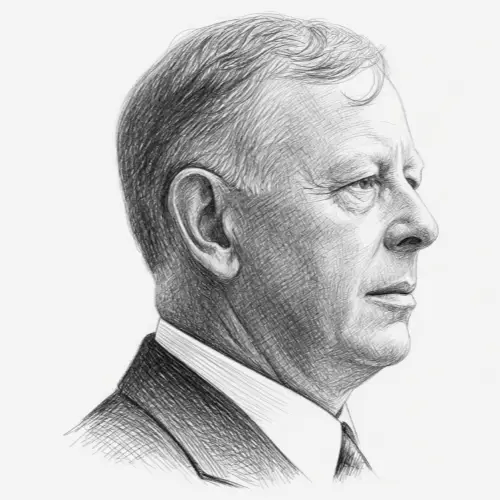 Coming Jan 7Livermore RevisitedThe capstone of the Mind pillar canon
 Coming Jun 11Marty SchwartzPit Bull, US Investing Champion
The Macro Traders
Built their careers on reading the global economic cycle, currency moves, and central bank behaviour.


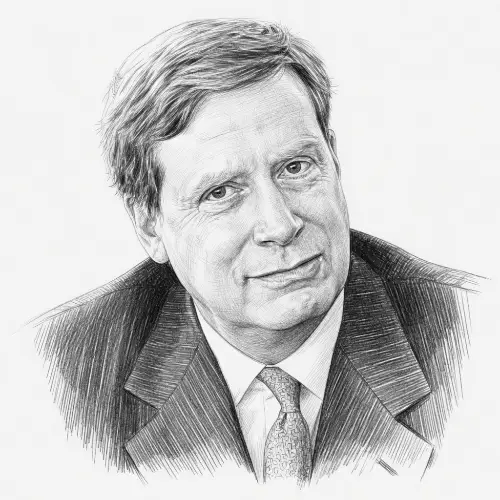
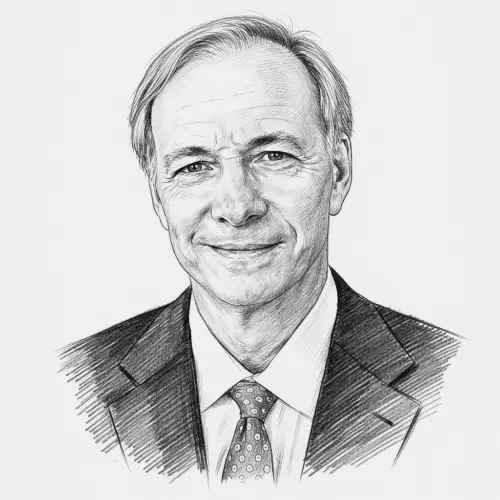
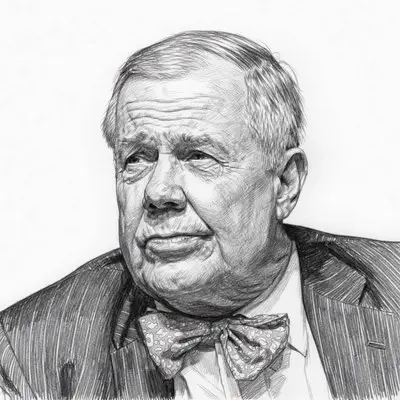 Coming Aug 10Jim RogersThe Indiana Jones of finance
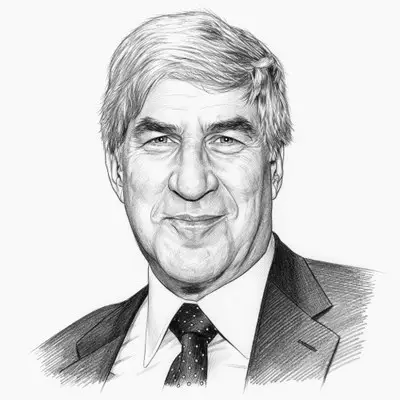 Coming Jun 22Bruce KovnerFrom cab driver to $14B macro empire
 Coming Dec 7Felix ZulaufZero equities, five historic calls
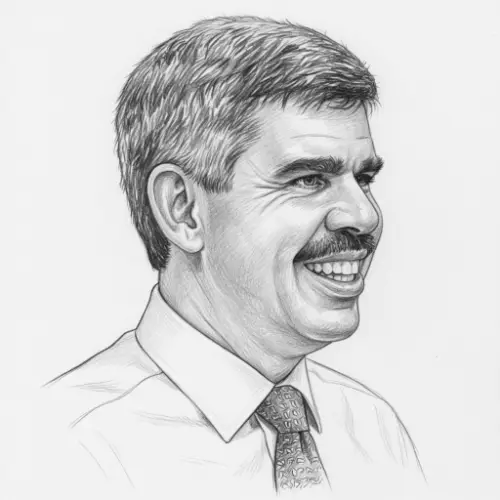 Coming Nov 19Mohamed El-ErianPIMCO and the New Normal
The Systematic and Trend-Following Tradition
Built fortunes by removing emotion entirely. Rules-based systems that compounded over decades.


 Coming Jun 18John W. Henry$16K trading account to the Red Sox and Liverpool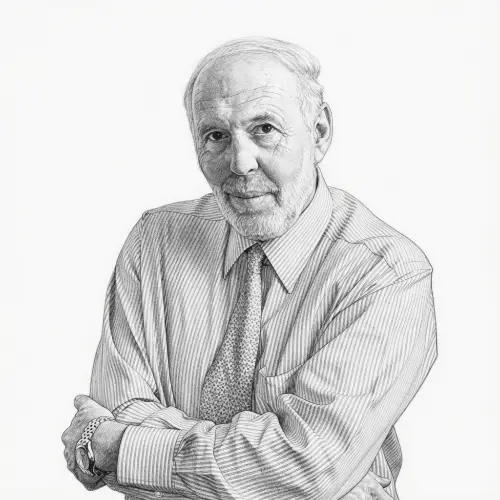
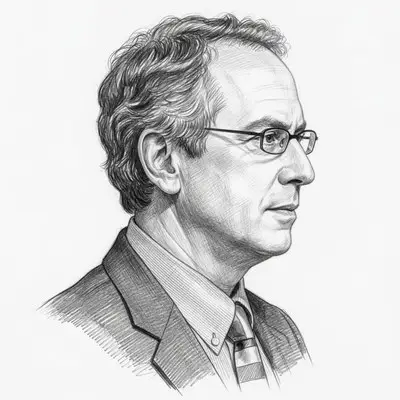 Coming Oct 5David ShawD.E. Shaw and statistical arbitrage
 Coming Oct 12Cliff AsnessAQR Capital and factor investing
 Coming Aug 31Edward ThorpThe first quant — Beat the Dealer to Beat the Market
The Value Investors
Patience, margin of safety, compounding. Built wealth through deep fundamental analysis and decade-long patience.


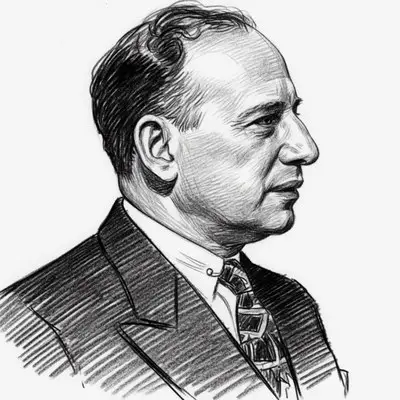 Coming Aug 27Benjamin GrahamA 70% drawdown built the discipline of value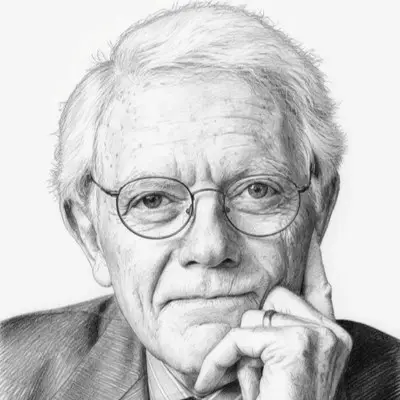
 Coming Jul 9Howard MarksFrom Citicorp junior analyst to Oaktree
 Coming Jul 13Seth KlarmanBaupost and 40 years of 20% returns
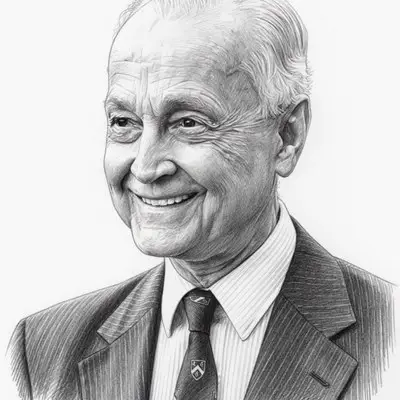 Coming Sep 7John TempletonMaximum pessimism and the global value investor
 Coming Sep 21Joel GreenblattThe Magic Formula and the man who walked away
 Coming Nov 26Li LuTiananmen, BYD, and the man Munger trusted
 Coming Nov 23Mohnish PabraiDhandho and the $650,000 lunch
 Coming Nov 30Guy SpierThe Inner Scorecard and the move to Zurich
 Coming Dec 3Terry SmithFired for telling the truth, then built £20B
 Coming Nov 2Bill MillerThe 15-year streak and the 2008 drawdown
 Coming Aug 6Anthony Bolton19.5% compounded for 28 years
The Activists
Concentrated bets, corporate boardroom pressure, and the willingness to fight for years to unlock value.
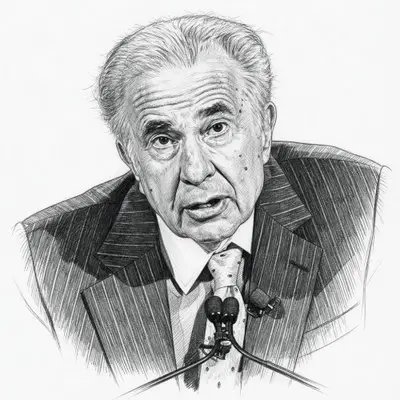 Coming Jul 2Carl IcahnFrom Princeton philosophy to a $20B activist empire
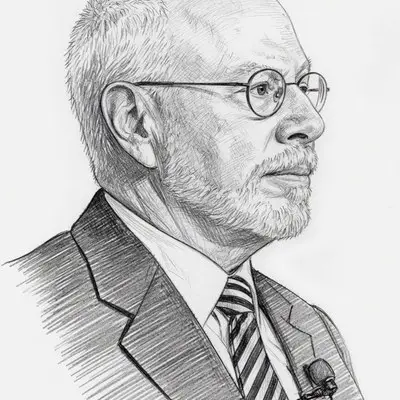 Coming Oct 1Paul SingerElliott Management and the 15-year Argentina war
 Coming Oct 26Daniel LoebThird Point and the Yahoo campaign
 Coming Oct 29Nelson PeltzTrian and the constructivist method
 Coming Oct 15Chris HohnTCI and the Children’s Investment Fund
 Coming Oct 22David EinhornGreenlight and the Lehman short
The Hedge Fund Builders
Built funds that compounded billions across decades through institutional discipline and structural alpha.
 Coming Jul 6Julian RobertsonTiger Management and the hedge fund dynasty
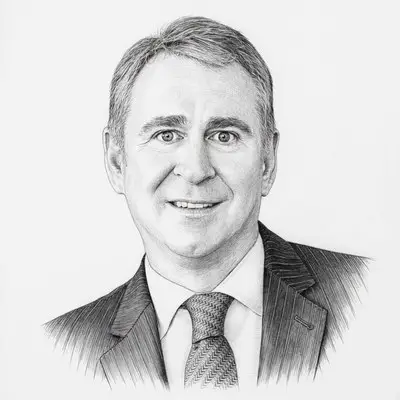 Coming Jun 4Ken GriffinFrom Harvard dorm to the $51B Citadel empire
 Coming May 28Steve CohenSAC, the $1.8B fine, and the rebirth as Point72
 Coming Jun 29David TepperFrom a spare bedroom to a $16B distressed empire
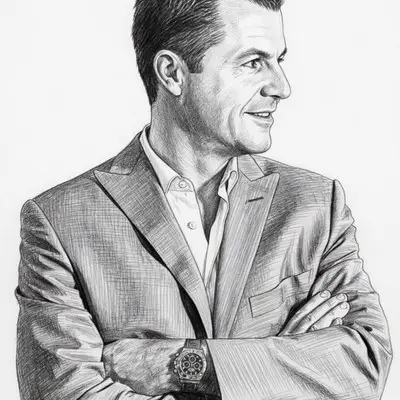 Coming Oct 19Michael PlattBlueCrest and the trader allocation system
 Coming Oct 8Israel EnglanderMillennium and structure as alpha
 Coming Jun 25Michael Steinhardt28 years of 24.5% returns
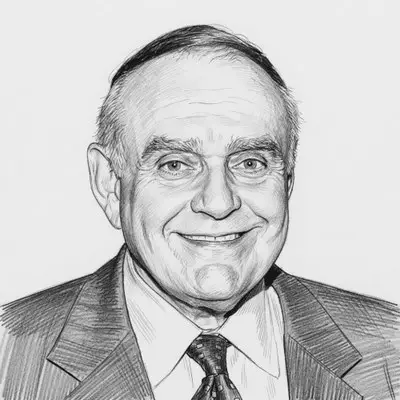 Coming Jul 16Leon CoopermanSouth Bronx to the $10B Omega empire
The Bond Kings and Specialists
Built empires in fixed income, indexing, and the disruptive innovation thesis. Specialist domains, generational wealth.
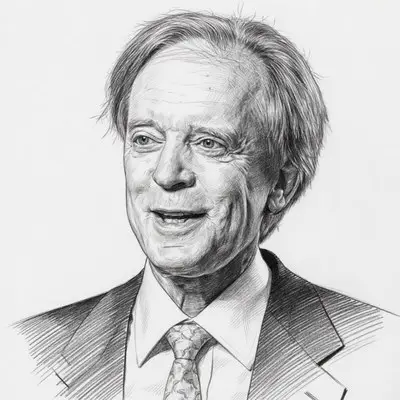 Coming Sep 10Bill GrossFrom a Vegas blackjack table to the $2T Bond King
 Coming Sep 14Jeffrey GundlachDoubleLine and the 17 flights from TCW
 Coming Sep 3John BogleHow Vanguard started the index fund revolution
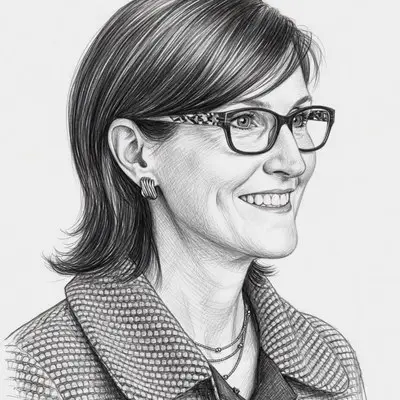 Coming Sep 17Cathie WoodARK Invest and the disruptive innovation thesis
 Coming Sep 24William O’NeilCAN SLIM and the 1962 trade that built a data empire
The Risk Engineers
The contrarians who built fortunes by structuring the trade most others cannot — the asymmetric short, the tail-risk hedge, the antifragile bet.
 Coming Sep 28Nassim TalebBlack Monday, the Incerto, and tail-risk hedging
The Modern Voices
Public traders, retail revolutionaries, and the new generation rewriting the playbook.
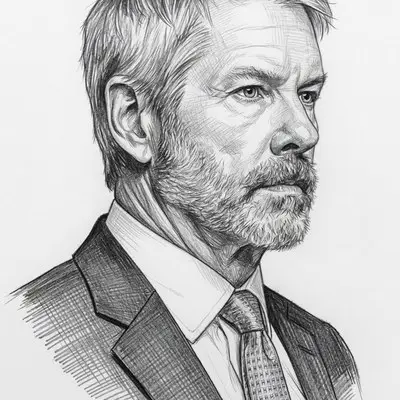 Coming Nov 5Michael SaylorThe man who bet a company on the nature of money
 Coming Nov 9Keith Gill (Roaring Kitty)The basement trader who broke a billion-dollar short
 Coming Nov 12Peter BrandtThe chartist who called Bitcoin’s crash
 Coming Nov 16Morgan HouselThe essayist who changed how we think about money
The Currency & Pattern Specialists
FX traders, market wizards, and the pattern-recognition discretionary specialists who built fortunes in narrow domains.
 Coming Jun 1Bill LipschutzThe Sultan of Currencies and the $12K inheritance
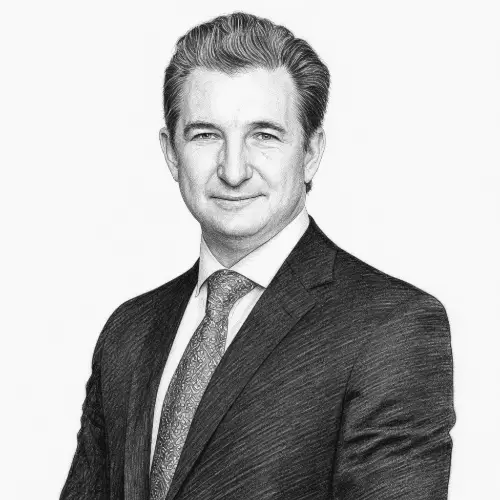
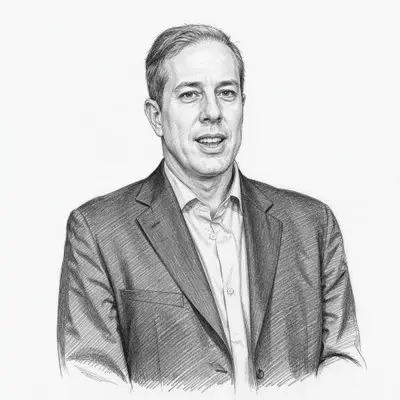 Coming Jun 15Andrew KriegerThe Kiwi trade and $300M in hours

The Global Greats
The legends from outside the Anglo-American canon. Greatest Traders Season 2 is built around these stories.
 Coming Jul 23Takashi Kotegawa (BNF)$13.6K to $150M from a Tokyo bedroom
 Coming Aug 17CISThe anonymous trader who made $34M in 48 hours
 Coming Jul 27Rakesh JhunjhunwalaThe Big Bull who built $5.8B from ₹5,000
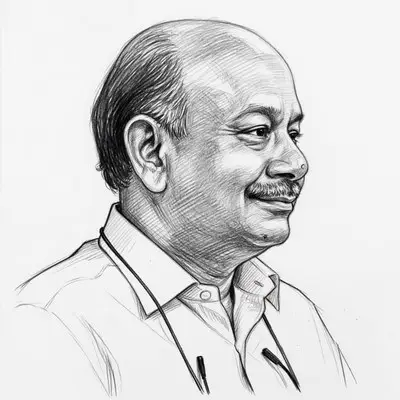 Coming Aug 20Radhakishan DamaniIndia’s quiet billionaire
 Coming Jul 30Allan GraySouth Africa’s quiet billionaire
 Coming Aug 3André KostolanyThe old master of the European exchange
 Coming Aug 13Kerr NeilsonAustralia’s Warren Buffett
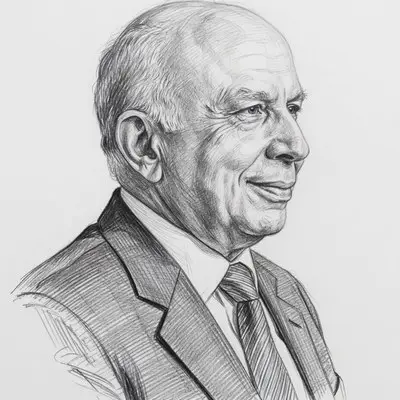 Coming Aug 24Prem WatsaIndian immigrant with $8 to a $45B empire
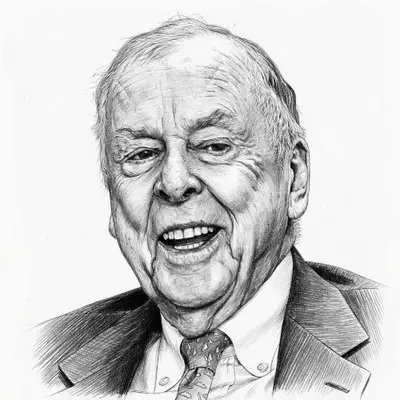 Coming Jul 20T. Boone PickensMesa Petroleum and the BP Capital comeback
The Cautionary Tales
Where the Framework Fails
Equally important — and often more instructive — are the legends whose discipline broke or whose framework failed. These are some of the most-read articles on the entire site, because every trader recognises a piece of themselves in the failure.
 Coming Dec 14Nick LeesonThe man who broke Barings Bank
 Coming Dec 17Jérôme KervielThe €4.9 billion loss at Société Générale
 Coming Dec 21Bill Hwang & ArchegosThe $20 billion collapse
 Coming Dec 24Bernie MadoffThe largest fraud in financial history
 Coming Dec 28Sam Bankman-FriedThe framework that built the fraud
 Coming Jan 4Eike BatistaThe largest single-person wealth destruction
 Coming Dec 10Jim ChanosThe short-seller who called Enron
The Common Questions
Frequently Asked Questions
The questions traders actually ask about the legends — and the honest answers.
Who is the greatest trader of all time?
There is no objective answer. By absolute return: Jim Simons (Renaissance Medallion compounded at over 60 percent net for decades). By influence: Soros and PTJ. By personal-account record: Druckenmiller’s 30 years without a losing year is the most extraordinary discretionary record. By cultural impact: Livermore. By philosophical depth: Munger and Buffett. The honest answer is that “greatest” depends on which axis you measure.
Should I copy a famous trader’s strategy?
No, and most of the legends would tell you the same. Their methods are inseparable from their personalities, their capital bases, and the eras they traded. What you can copy is their principles — risk first, process discipline, patience, conviction sizing — and apply them to your own market and timeframe. Read 30 profiles, find the principles that recur in 25+ of them, and build those into your own approach. The full integration is in The Three Pillars.
How many losing years did the legends have?
Most had several, sometimes many. Livermore went bankrupt three times. Buffett had 1974 and 2008. Soros had 1981. Druckenmiller is the rare exception with no losing years across his hedge fund career. The honest pattern: the legends had losing years and stayed in the game. Most retail traders quit after the first losing year. That alone explains the gap.
Where do I start with this curriculum?
Pick three traders whose philosophy resonates with you and read everything they have written or said. Do not skim 30 profiles. Go deep on three. The depth produces understanding; the breadth produces trivia. The Greatest Traders Podcast is a good starting point because it does the curation for you — three deeply-researched stories per episode in audio form.
Are there modern legendary traders or are the greats all from the past?
Both. Druckenmiller is still active. Saylor is rewriting the playbook on corporate Bitcoin treasuries. Cathie Wood is testing the disruptive-innovation thesis in real time. Roaring Kitty proved that retail can move markets. Every era produces its legends — usually by doing something that the previous era’s legends would have considered impossible or unwise.
What about the ones who lost everything? Are those still legends?
Yes — and arguably more instructive. Livermore was both the greatest speculator and a man who died broke. LTCM was run by Nobel laureates and collapsed. The cautionary tales contain lessons the success stories cannot teach. The Mind · Method · Money framework was specifically designed around the failures: the legends who were great at Method but failed on Mind, the ones who were great at Mind but failed on Money. Three pillars. Miss any one. Story over.
Is the Greatest Traders Podcast the audio version of these articles?
Yes. Each episode runs deep on one legend through the lens of Mind · Method · Money. Season 1 has four episodes live: Livermore, Soros, PTJ, and Seykota. Season 2 — Global Edition — is in production: Kotegawa, Jhunjhunwala, Allan Gray, Kostolany, Bolton, Jim Rogers, Kerr Neilson, CIS, Damani, Watsa.
A Century of Lessons in 70 Chapters
The Complete Trader’s Edge
The recurring patterns from a century of legendary trading, integrated into the Mind · Method · Money framework. 70 chapters that turn the lessons of the legends into a practical operating system for the working trader.
Get The Book → Listen to the Podcast →Continue the Framework
Where to Go Next
The lessons of the legends only matter when applied. Each pillar below takes the recurring patterns and turns them into a practical curriculum.
 The Complete Trader's Edge
The full Mind · Method · Money framework. 70 chapters.
View on Amazon →
The Complete Trader's Edge
The full Mind · Method · Money framework. 70 chapters.
View on Amazon →
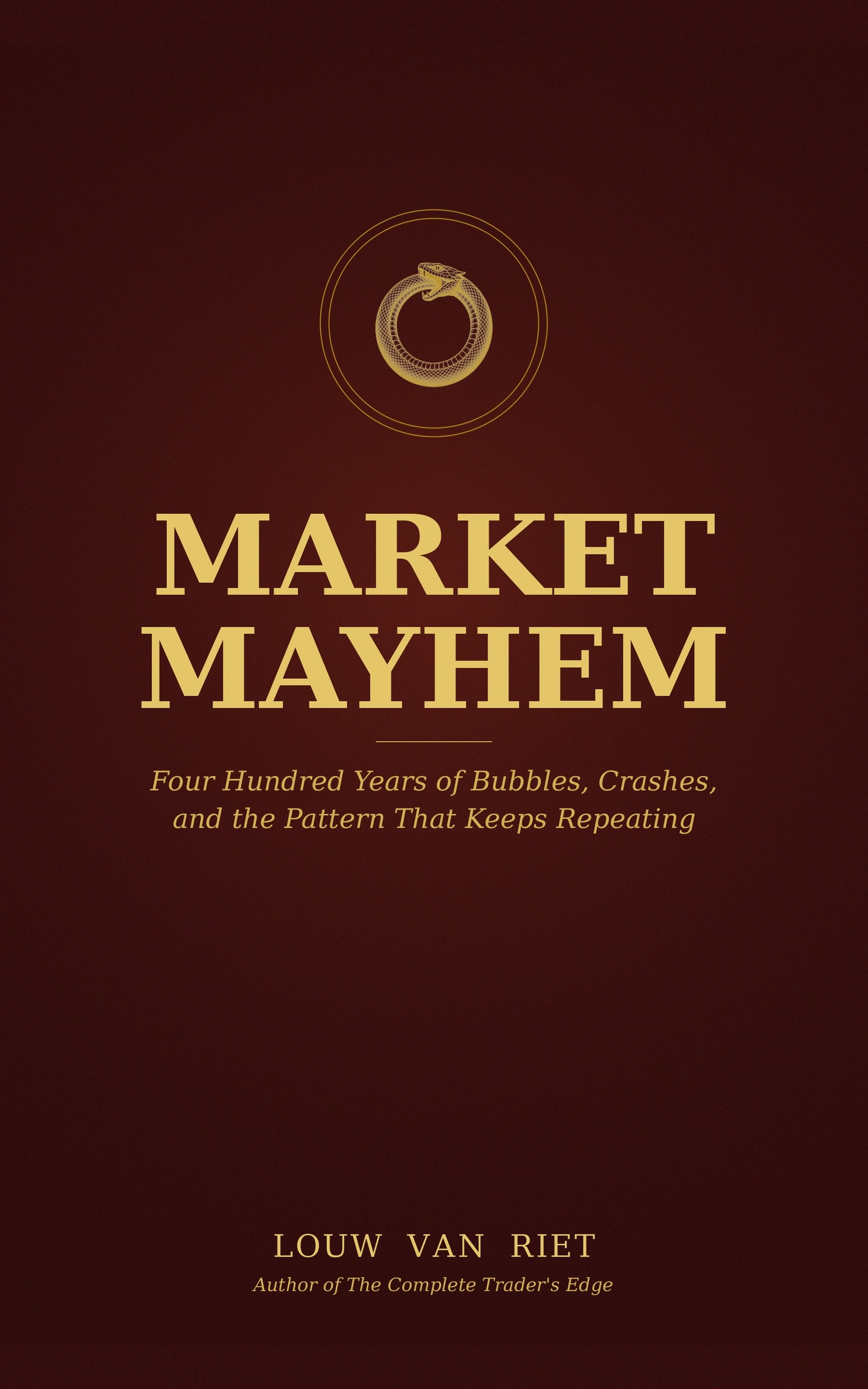 Market Mayhem
400 years of bubbles, crashes, and the pattern that keeps repeating.
Buy on Amazon →
Market Mayhem
400 years of bubbles, crashes, and the pattern that keeps repeating.
Buy on Amazon →
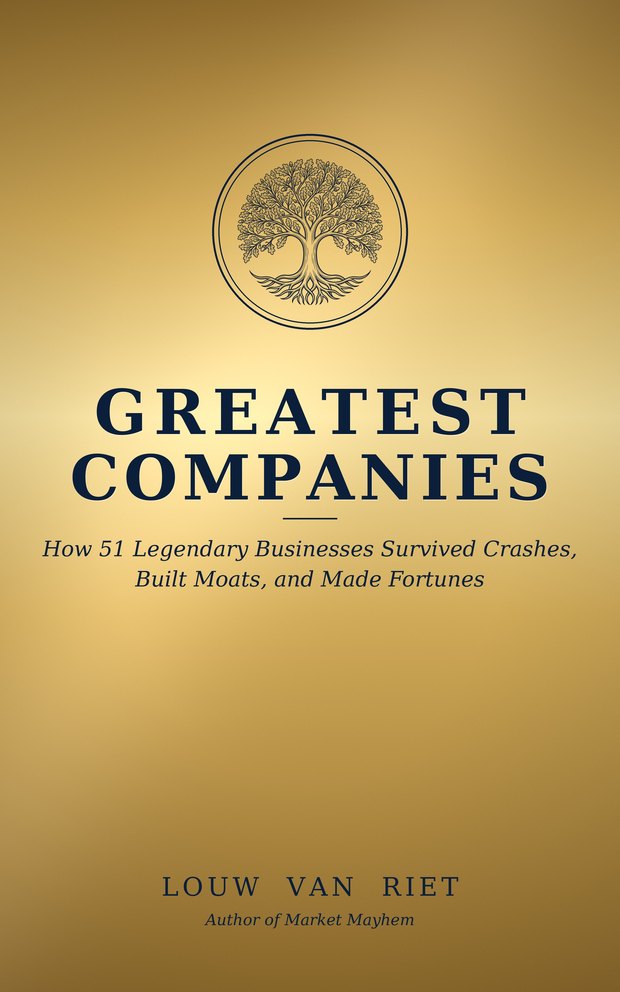 Greatest Companies
How the world's greatest companies were built — and what traders learn from them.
View on Amazon →
Greatest Companies
How the world's greatest companies were built — and what traders learn from them.
View on Amazon →
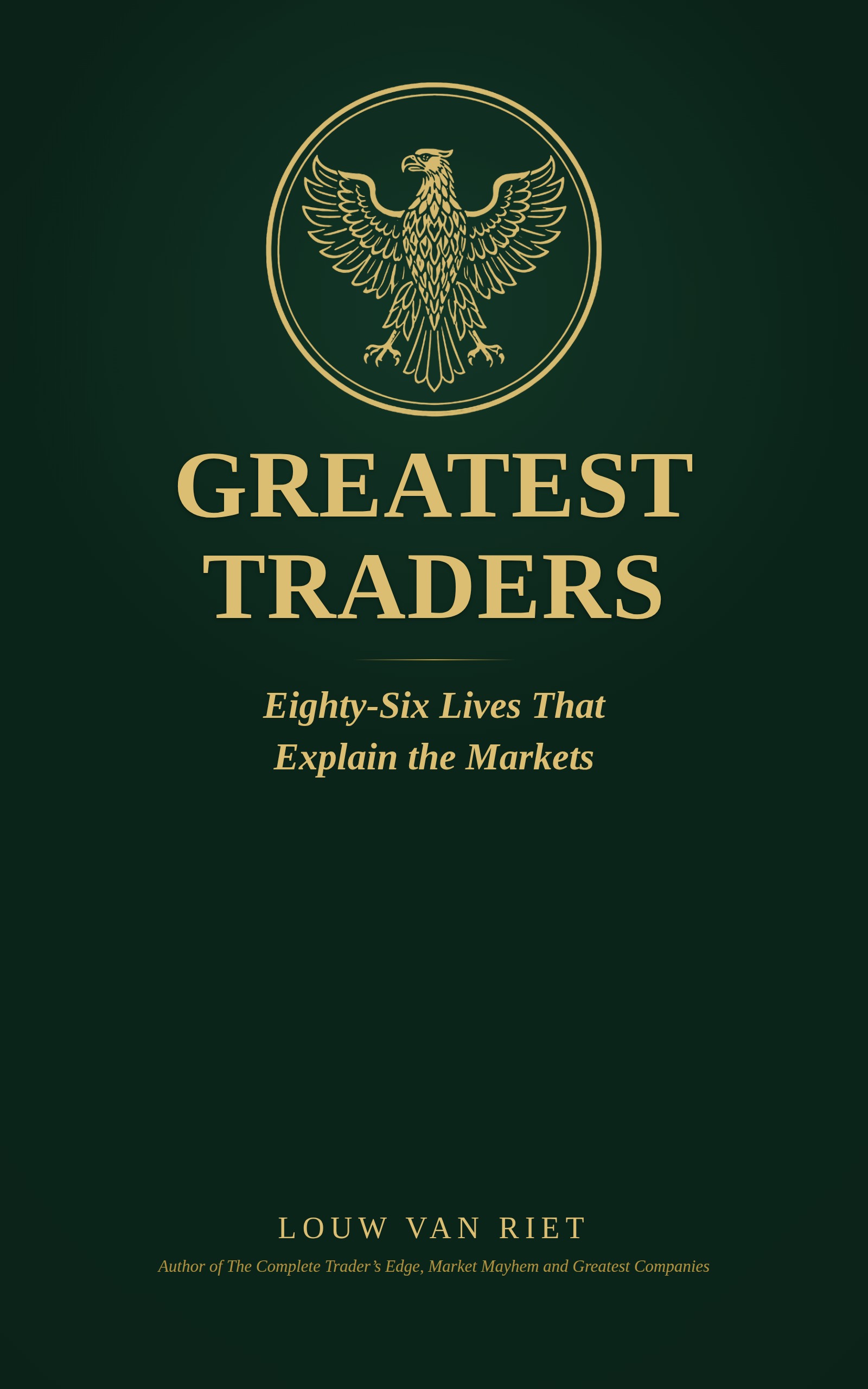 Greatest Traders
Eighty-six lives that explain the markets — Livermore to Madoff, told with the losses left in.
View on Amazon →
Greatest Traders
Eighty-six lives that explain the markets — Livermore to Madoff, told with the losses left in.
View on Amazon →