

Every story in this series so far has ended, eventually, in some kind of recovery. Facebook became a dynasty. Alibaba was vindicated before it gave it back. Aramco climbed out of its hole. Uber ground its way back to double. Rivian is the one that did not come back. It is the ghost at the feast, and it is here for a reason. Because the most dangerous belief a trader can carry into the SpaceX listing is that a great story and a fallen price always reunite. Sometimes the price just keeps falling.
Rivian listed on 10 November 2021 as the largest electric-vehicle IPO ever and the biggest US listing in years. It priced at $78 a share, raised about $11.9 billion, and arrived with a valuation near $67 billion. Within days it had nearly tripled from its offer. Within a year it had collapsed. And it has never recovered. Rivian is the receipt for what happens when a beloved brand and a visionary story are priced for a future the company cannot deliver fast enough to justify.
THE ONE-LINE VERSION
Rivian surged 29% on day one, then climbed to about $172 within six days, briefly making it one of the most valuable automakers on Earth despite selling almost no cars. It then collapsed roughly 67% within its first year and trades today around 85% below its offer. This is the ending the crowd refuses to believe can happen to them.
The deal at a glance
| Listing date | 10 November 2021 |
| Exchange and ticker | Nasdaq, RIVN |
| Offer price | $78 per share |
| Amount raised | About $11.9 billion, the largest US IPO in years |
| Valuation at IPO | About $67 billion |
| First-day move | About +29% |
| Worst of year one | About −67% |
| Where it went | About −85% below the offer today, with no recovery |
The setup: the everything story
Rivian arrived carrying every ingredient of a perfect IPO. It made gorgeous electric trucks at the peak of EV mania. It had marquee backers, with Amazon and Ford holding large stakes and Amazon committing to a huge order of delivery vans. It looked, for all the world, like the next Tesla, caught early. The demand was ferocious, and the listing was priced and received as a coronation of the electric future.
That is precisely the profile to be most careful with, and it rhymes loudly with SpaceX. A visionary founder. A transformative product. Powerful institutional backing. A story so compelling that questioning the valuation felt like questioning progress itself. Rivian had everything except the one thing that ultimately sets the price over time: it was barely producing or delivering any vehicles, while being valued as though it already dominated the market. The story was bought in full, years before the business could possibly deliver it.
Day one and after: from $78 to $172 in a week
The debut was euphoric. The stock surged about 29% on its first day, and unlike Uber it kept right on climbing. Within six trading days it touched roughly $172, more than 120% above its offer price. At that level Rivian was briefly worth more than Ford or General Motors, becoming one of the most valuable automakers on the planet. A company that had delivered a rounding error of vehicles was now valued above century-old manufacturers building millions.
That gap, between a company selling almost nothing and a valuation implying total dominance, is the entire warning. Euphoria can price a stock at any number in the short term, because in the short term price is set by emotion and scarcity of available shares, not by results. The buyer at $172 was not investing in Rivian’s business. They were betting that someone even more excited would pay more tomorrow. For a few days, someone did. Then no one did. And gravity took over.
A valuation untethered from the business is a countdown, not a verdict. Rivian worth more than Ford while delivering almost no vehicles was never a real assessment. It was euphoria looking for an exit. When SpaceX is priced near a hundred times revenue on the strength of an unproven AI bet, that same gap between price and delivery is the risk that no founder vision can paper over.
The collapse: gravity does the rest
Reality arrived on schedule. Rivian missed production targets. Cash burned at an alarming rate as it tried to scale manufacturing, one of the hardest things in all of industry. And the macro backdrop turned vicious, as rising interest rates punished exactly this kind of profitless, far-future growth story. The stock collapsed roughly 67% within its first year. And it did not stabilise and recover the way the others on this list eventually did. It kept grinding lower. Today it trades around 85% below its offer price, with no recovery to speak of.
This is the ending the crowd cannot bring itself to believe applies to them. Every chaser of every hyped IPO assumes they are buying the next Facebook or Amazon, a temporary dip on the way to glory. Rivian is the statistical reality that a large share of overhyped, overvalued, pre-profit listings simply do not come back. The company can be real, the product genuinely good, the founder sincere, and the stock can still be a permanent loss, because the entry price demanded a future that never arrived.
The Rivian IPO, start to finish
The shape is a spike and a slide: an explosive open, a near-triple within a week, and then a relentless collapse that, unlike every other story in this series, never reversed.
| Moment | Price vs $78 offer | What was happening |
|---|---|---|
| 10 Nov 2021 (debut) | about +29% | EV mania, Amazon and Ford backing |
| ~16 Nov 2021 (day 6) | about +120% (~$172) | Briefly worth more than Ford or GM |
| Within first year | about −67% | Production misses, cash burn, rate hikes |
| Today | about −85% | No recovery, the story never reunited with the price |
Figures are approximate, versus the $78 offer price, drawn from contemporaneous reporting and exchange data.
What this means for the SpaceX trader
Rivian is the scenario nobody wants to plan for, which is exactly why you must. SpaceX shares Rivian’s most dangerous trait: a transcendent story attached to a part of the business that is unproven and bleeding cash. If institutions flip their allocations for a fast profit, if the AI losses start reading as a red flag instead of a moonshot, and if the macro turns, the failure-to-launch path is live. And it is far more common than the crowd admits.
Carry three things out of 2021:
- Not every dip recovers. This is the one the others can lull you into forgetting. A large share of overvalued, pre-profit listings never return to their highs, or even their offer. “It’ll come back” is a hope, not a plan.
- A valuation detached from delivery is the core risk. Rivian worth more than Ford while building almost nothing was the warning in plain sight. With SpaceX, watch the gap between the price you are asked to pay and what the business actually produces.
- Cash is a position. In the failure-to-launch case, the winning move looked like cowardice on day one and wisdom by day ninety: hold little or nothing, let the crowd discover the real price, and keep dry powder for when fear, not greed, sets the quote.
Notice the thread running through all five of these stories. In the dynasty, you waited. In the euphoric pop, you waited. In the biggest-ever, you waited. In the broken debut, you waited. And in the failure to launch, waiting and holding nothing was the entire victory. The disciplined move is almost always to let price prove itself before you commit size. That is not timidity, it is the job. And it only works if your position sizing and your respect for the mathematics of risk of ruin are settled before the bell, because a Rivian-shaped loss is only survivable if it was small enough to begin with.
A real company, a good product, and a sincere founder can still be a permanent loss, if the price you paid demanded a future that never arrived.
Five years later, and beyond
This is where Rivian breaks from every other story in the series: the passage of time did not heal it. Years on, the stock still trades down roughly 85% from its offer. Ford abandoned the partnership and sold down most of its stake. Production scaled, but nowhere near the early projections, and the company has survived on repeated capital lifelines and new partnerships rather than on its own profits. The vehicles are genuinely admired. The business simply could not manufacture them at a positive margin fast enough to justify the price the market once paid.
That permanence is the warning the other four stories can lull you into forgetting. Facebook, Alibaba, Aramco, and Uber all, in their different ways, came back. Rivian is the reminder that “it’ll recover eventually” is a hope, not a law of markets. Some hyped, pre-profit listings simply keep falling, and the only protection against that outcome is to have sized the position so a permanent 85% loss was survivable from the start.
Frequently asked questions about the Rivian IPO
Did Rivian stock ever recover from its IPO?
No. Unlike most listings, Rivian never recovered. After peaking near $172 within days of its $78 debut, it fell roughly 67% in its first year and trades around 85% below its offer price today.
How high did Rivian stock go after its IPO?
It surged about 29% on its first day and reached roughly $172 within six trading days, briefly making Rivian worth more than Ford or General Motors, despite delivering almost no vehicles.
Why did Rivian stock crash?
Missed production targets, heavy cash burn as it tried to scale manufacturing, and rising interest rates that punished profitless, far-future growth stories. The valuation had run far ahead of what the business could deliver.
What does the Rivian IPO teach SpaceX investors?
That not every dip recovers. A real company with a good product and a sincere founder can still be a permanent loss if the entry price demanded a future that never arrived.
The bigger picture
This is the closing chapter of our series on history’s biggest and most instructive IPOs, written ahead of the SpaceX listing. Together they form one argument. Amazon was the ultimate survivor. Google was the listing priced right. Facebook was the dud that became a dynasty. Alibaba was the euphoric pop that punished the chasers. Visa was the crisis listing that compounded forever. Aramco was the biggest ever that still fell. Uber was the long grind back to even. And Rivian is the moonshot that cratered and stayed there. Eight stories, eight endings, one lesson: the debut tells you almost nothing, and survival is everything.
Now take it to the main event. Read the full breakdown of what traders must know before the SpaceX IPO, the largest listing in human history, with all five of these endings live inside it as possibilities. And for the human drama behind every mania, crash, and euphoric top, that is the heart of Market Mayhem: When Greed Meets Gravity.
The mindset to resist the moonshot, the method to judge price against delivery, and the money management to make any single loss survivable, is the entire foundation of
The Complete Trader’s Edge
And for the human stories behind history’s greatest manias and crashes, Market Mayhem: When Greed Meets Gravity is your companion read.
This article is educational and is not financial advice. It does not recommend buying or selling any security. Historical figures relating to the 2021 Rivian IPO are drawn from contemporaneous reporting and exchange data and are approximate; verify current details against primary sources before making any decision. Trading and investing carry risk, including the loss of capital.
 The Complete Trader's Edge
The full Mind · Method · Money framework. 70 chapters.
View on Amazon →
The Complete Trader's Edge
The full Mind · Method · Money framework. 70 chapters.
View on Amazon →
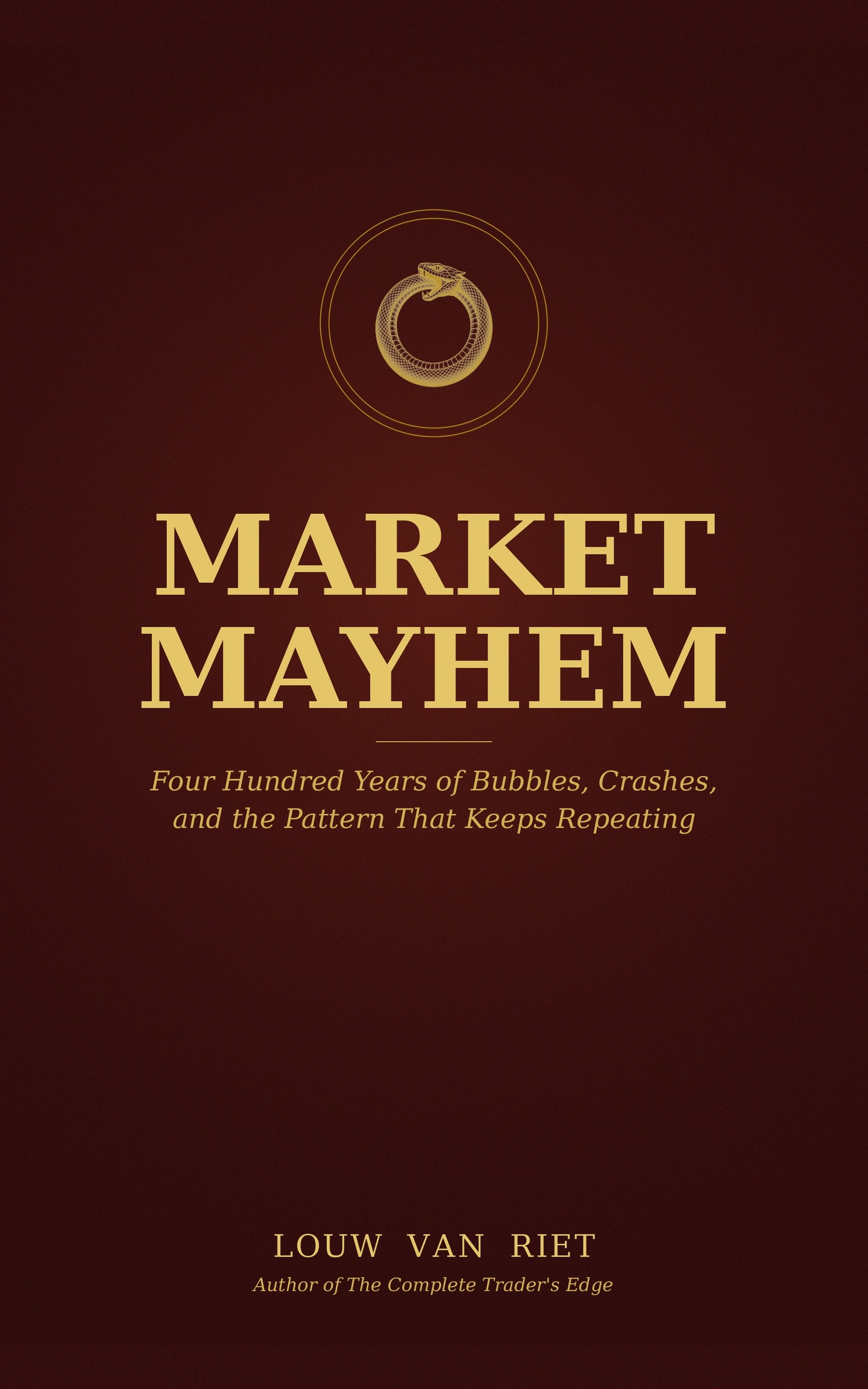 Market Mayhem
400 years of bubbles, crashes, and the pattern that keeps repeating.
Buy on Amazon →
Market Mayhem
400 years of bubbles, crashes, and the pattern that keeps repeating.
Buy on Amazon →
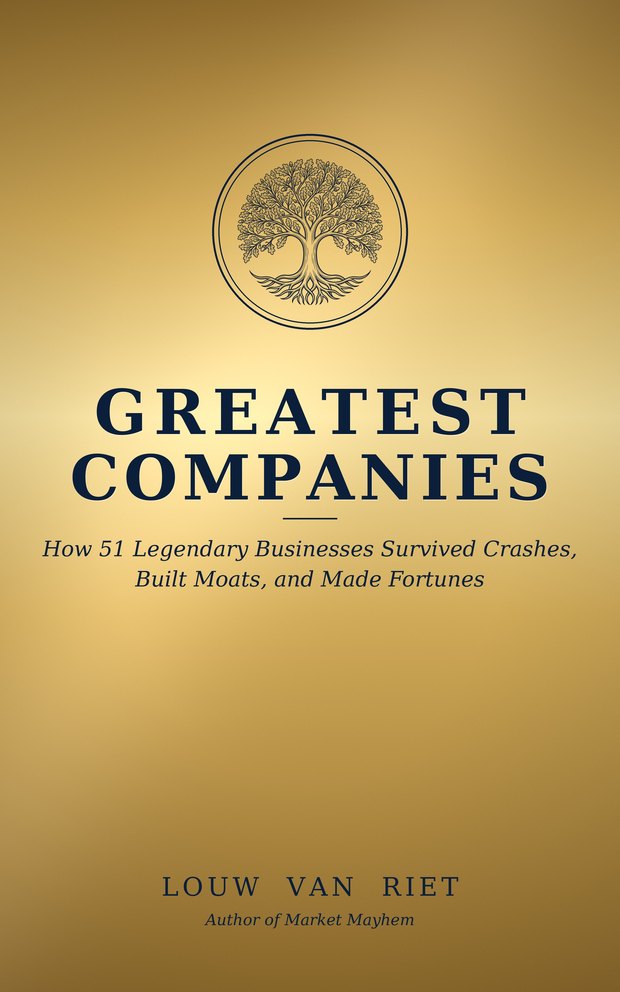 Greatest Companies
How the world's greatest companies were built — and what traders learn from them.
View on Amazon →
Greatest Companies
How the world's greatest companies were built — and what traders learn from them.
View on Amazon →
 Greatest Traders
Eighty-six lives that explain the markets — Livermore to Madoff, told with the losses left in.
View on Amazon →
Greatest Traders
Eighty-six lives that explain the markets — Livermore to Madoff, told with the losses left in.
View on Amazon →