

The screen makes everything look available. Forty forex pairs, a hundred futures contracts, thousands of equities, crypto around the clock. A beginner surveys that buffet and concludes, reasonably, that more markets means more opportunity. The conclusion is wrong, and the reason it is wrong explains why the traders who make consistent money almost always trade a shorter list than you would guess.
How Many Markets Should You Trade? Start With Three
The honest answer is: fewer than you want to, and no more than three while you are building. Not because opportunity is scarce, but because edge does not travel. Edge is knowledge of a specific market’s personality, and personality does not generalise from gold to Nasdaq futures any more than knowing one language grants you another.
Consider what you actually have to internalise before an instrument becomes readable. Its tick value and margin, so risk is computed rather than guessed. Its typical spread, and the hours when that spread widens. Which session actually moves it, and which merely churns it. What its average range looks like in calm conditions and in stressed ones. Which scheduled events reliably reprice it. How it behaves at the open, into a close, on a Friday afternoon. Whether its breakouts tend to run or reverse.
None of that arrives from reading. It arrives from hundreds of hours of watching one thing until its ordinary behaviour becomes obvious and its unusual behaviour becomes visible. That is what an edge in an instrument is: a trained sense of what normal looks like, so that abnormal announces itself.
The Hidden Cost of the Fourth Market
Adding instruments feels like adding opportunity, but it quietly divides three scarce resources.
Attention. Screen time is fixed. Spreading it across eight markets means one-eighth of the pattern recognition per market, at the exact stage where pattern recognition is the whole asset being built.
Sample size. Your setup base rates need roughly 30 occurrences per setup to become meaningful. Trading eight instruments does not multiply your data; it fragments it into eight thin samples, none of which reaches significance. Three markets, thirty trades each, teaches you something. Eight markets, eleven trades each, teaches you nothing at eight times the cost.
Risk clarity. More tickets rarely means more diversification. Gold, silver, a dollar short and a miner are one macro bet wearing four costumes, a trap examined in correlation risk. Traders who add markets for diversification frequently concentrate their exposure while believing they have spread it.
DO THIS
Cap your watchlist at three instruments. Choose them for structural fit, not excitement: one you can actually watch during your available hours, with a spread and margin your account tolerates. Add a fourth only after you have 100 logged trades across the first three and can state each one’s average range, spread behaviour and key session from memory.
Specialisation Is How Small Accounts Compete
You are not going to out-resource an institution. You are not going to out-model a fund with a research desk. The one advantage available to an individual trader is depth in a narrow place, the ability to know one instrument’s rhythm so thoroughly that a subtle change in behaviour registers before it becomes a headline. Institutions cannot buy that for a small market; individuals can earn it for one.
The instrument choice itself should be boring and structural. Can you be at the screen when it moves? Does one contract or a reasonable share size fit your account without pushing risk past your rules? Is the spread small enough that your average winner is not eaten by the cost of doing business? Excitement is not on the list. Excitement is what the market charges extra for.
When to Expand
Expand when the constraint is genuinely opportunity, not boredom. The test is objective: 100 logged trades across your three, a measured positive expectancy on at least one setup, and enough spare attention that the fourth instrument gets real screen time rather than a glance. Traders who add markets while still hunting for a working setup are not expanding. They are searching, and the search rarely ends because the missing ingredient was never in the next instrument.
On the Trader’s Roadmap, instrument specialisation is a tier-three Method node built on instrument mechanics and session structure. It is one of the few nodes where the correct action is subtraction, and one of the few where doing less is measurably worth more.
Not sure which markets suit your hours and account? Start with the free M·M·M Assessment, then map the Method pillar on the Trader’s Roadmap.
 The Complete Trader's Edge
The full Mind · Method · Money framework. 70 chapters.
View on Amazon →
The Complete Trader's Edge
The full Mind · Method · Money framework. 70 chapters.
View on Amazon →
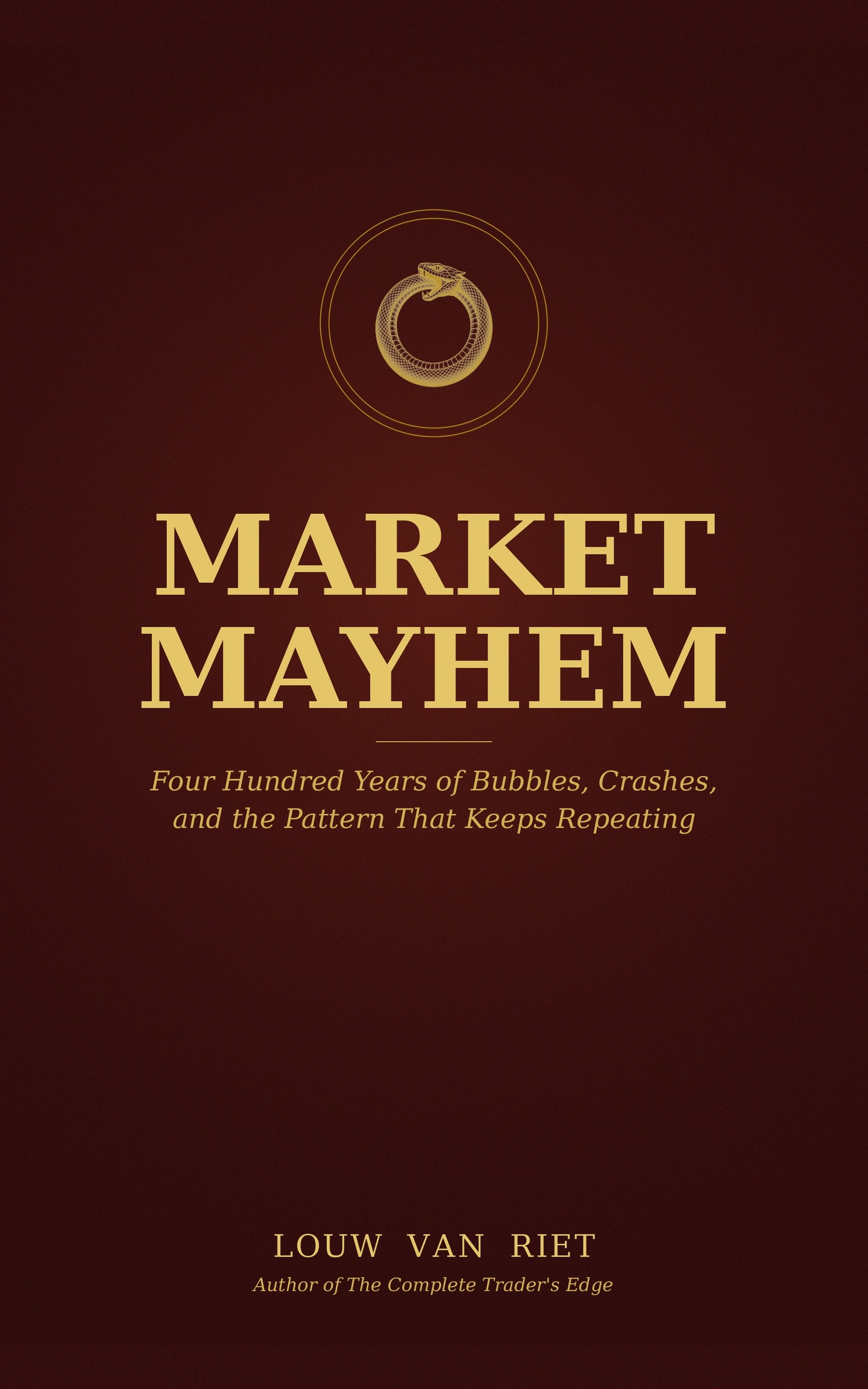 Market Mayhem
400 years of bubbles, crashes, and the pattern that keeps repeating.
Buy on Amazon →
Market Mayhem
400 years of bubbles, crashes, and the pattern that keeps repeating.
Buy on Amazon →
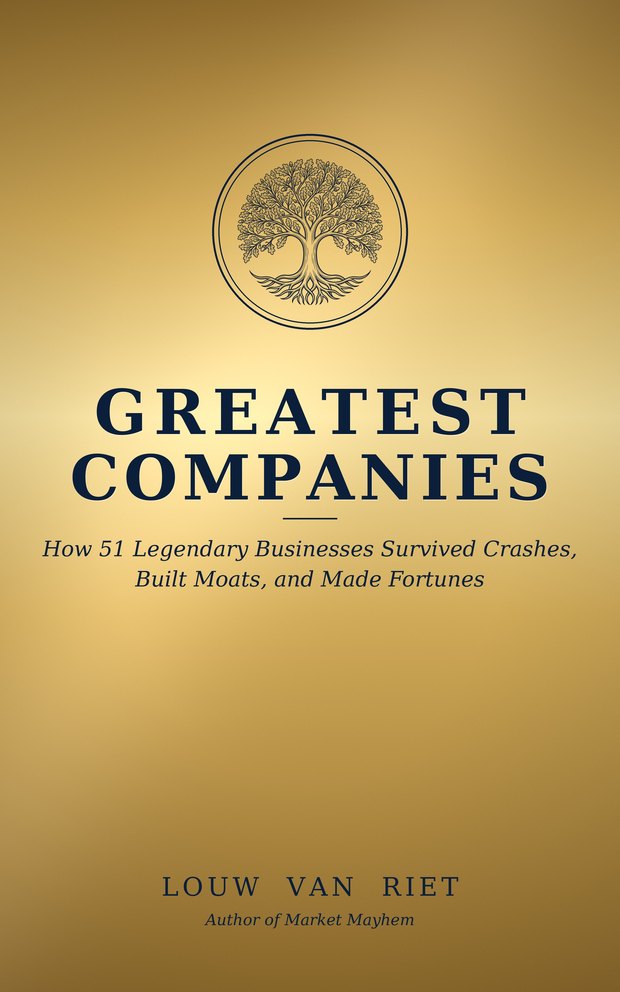 Greatest Companies
How the world's greatest companies were built — and what traders learn from them.
View on Amazon →
Greatest Companies
How the world's greatest companies were built — and what traders learn from them.
View on Amazon →