AI and Algorithmic Trading: What Every Trader Needs to Know

AI and algorithmic trading are reshaping markets. Understanding how they work, their limitations, and how retail traders can use these tools is increasingly essential knowledge.

AI and algorithmic trading are reshaping markets. Understanding how they work, their limitations, and how retail traders can use these tools is increasingly essential knowledge.

ICT Killzones identify the specific time windows within each trading session when institutional order flow is most active and setups are highest probability.

Professional traders don't just trade — they run a business. Treating trading as a business with systems, metrics, and professional standards transforms results.

Economic data releases move markets. Understanding how to use the economic calendar — when to trade, when to avoid, and how news creates technical opportunities — is essential knowledge.

Most trading psychology content focuses on losing. But success creates its own psychological traps — and understanding them is just as important as managing losses.

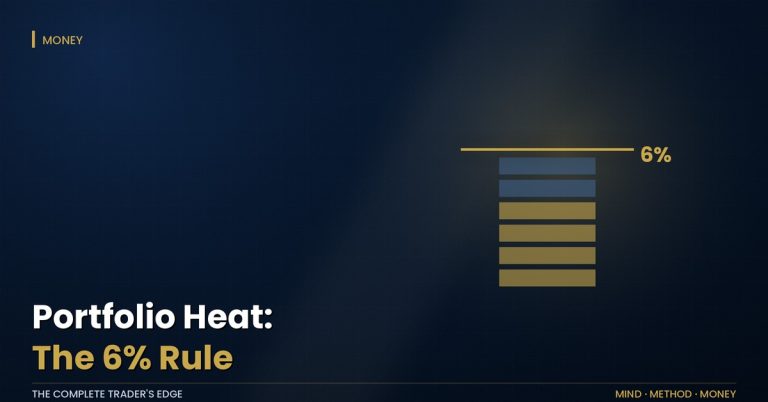
Single-trade risk management is the foundation. Portfolio-level risk management — correlation, drawdown exposure, capital allocation — is where professional traders separate themselves.

Crypto markets operate 24/7, move faster than traditional markets, and have unique characteristics that require specific adaptations to conventional trading approaches.

Consistency is the holy grail of trading — and it is achievable through specific, learnable practices. Here are the six pillars that every consistently profitable trader builds their approach on.

Most trading mistakes are acts of impatience. Developing genuine patience — not passive waiting but active, disciplined selectivity — is one of the most valuable things a trader can do.

Ed Seykota turned $5,000 into $15 million over 12 years using computer-driven trend-following systems in the 1970s. His philosophy on markets, psychology, and trading contains some of the deepest insights in the literature.

The forex market is the largest and most liquid financial market in the world. Understanding how it works, who the participants are, and how prices move is essential foundation knowledge.

Professional traders do not just use different strategies — they think differently. Understanding the mental models and beliefs that separate professionals from amateurs changes everything.

Stanley Druckenmiller ran money for George Soros and then independently compiled the greatest long-term trading record in history. His principles are required reading for every serious trader.

George Soros is the most successful macro trader in history. His theory of reflexivity and the trade that broke the Bank of England contain lessons that apply to traders at every level.

Price action traders use only raw price data to make decisions. It's the cleanest, most direct form of technical analysis — and the foundation of most professional trading approaches.

Proprietary trading firms offer retail traders access to significant capital — but passing the challenge requires understanding exactly what evaluators are testing for.

Going full-time is the dream of most retail traders. Very few make the transition successfully. Here is an honest, practical guide to what it actually takes.

Drawdowns are inevitable. How you manage them determines whether they are a temporary setback or a permanent account destruction. Build the system that professional traders use.

John Paulson made $15 billion shorting the US housing market in 2007-2008. The story of how he identified, structured, and held the trade is a masterclass in conviction and preparation.

Paul Tudor Jones is one of the most successful macro traders in history. His approach to risk, preparation, and psychological resilience contains lessons every trader can apply immediately.

Jesse Livermore made and lost four fortunes trading stocks and commodities in the early 20th century. His story holds more lessons for modern traders than almost any other.

Backtesting separates strategies that feel like they work from strategies that actually do. Learn how to backtest properly and avoid the common mistakes that produce misleading results.

Most traders adopt strategies without understanding them. Building your own strategy from first principles gives you the conviction to follow it when it hits its inevitable rough patches.

Swing trading and day trading are fundamentally different businesses. Choosing the wrong one for your personality, schedule, and capital is one of the most common mistakes new traders make.
Subscribe and get the 8-page Trading Plan Template free — includes pre-session checklist, trade journal, risk rules, and weekly review system. Plus weekly insights on psychology, strategy, and risk management.
No spam. Unsubscribe anytime. Free forever.