Ask a struggling trader why they trade and you will almost always get the same answer: “To make money.” Ask a consistently profitable trader the same question and you will get something different. Something deeper, more specific, more personal. Freedom. Independence. Proof that discipline and process can master uncertainty. The ability to provide for their family on their own terms. The money is a byproduct. The purpose is the engine.
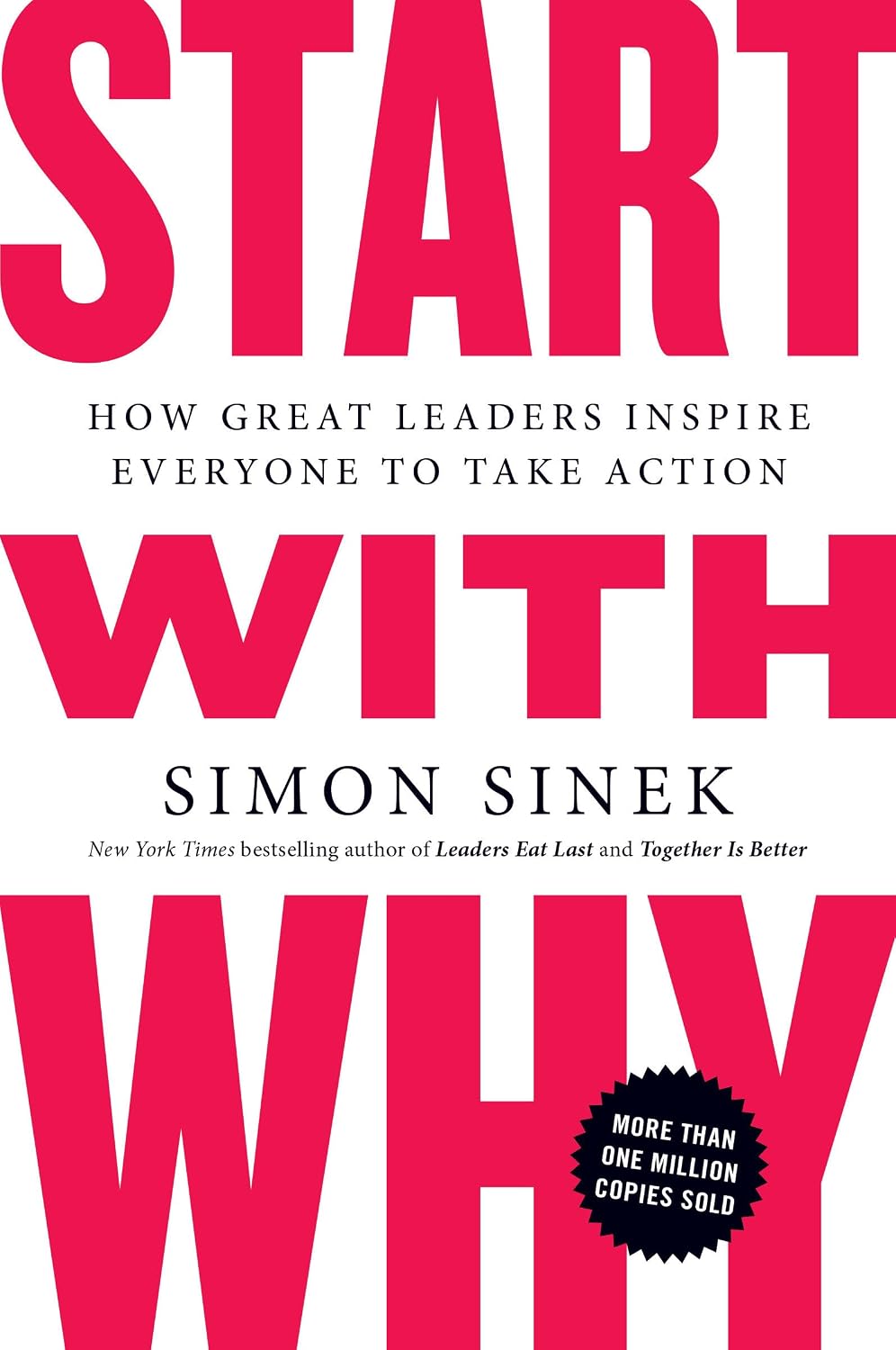
Simon Sinek built his career on a single observation: people and organisations that start with “why” outperform those that start with “what” or “how.” His Golden Circle framework, popularised in one of the most-watched TED talks in history and expanded in Start with Why and The Infinite Game, explains why some traders sustain motivation through years of difficulty while others burn out after a few losing months.
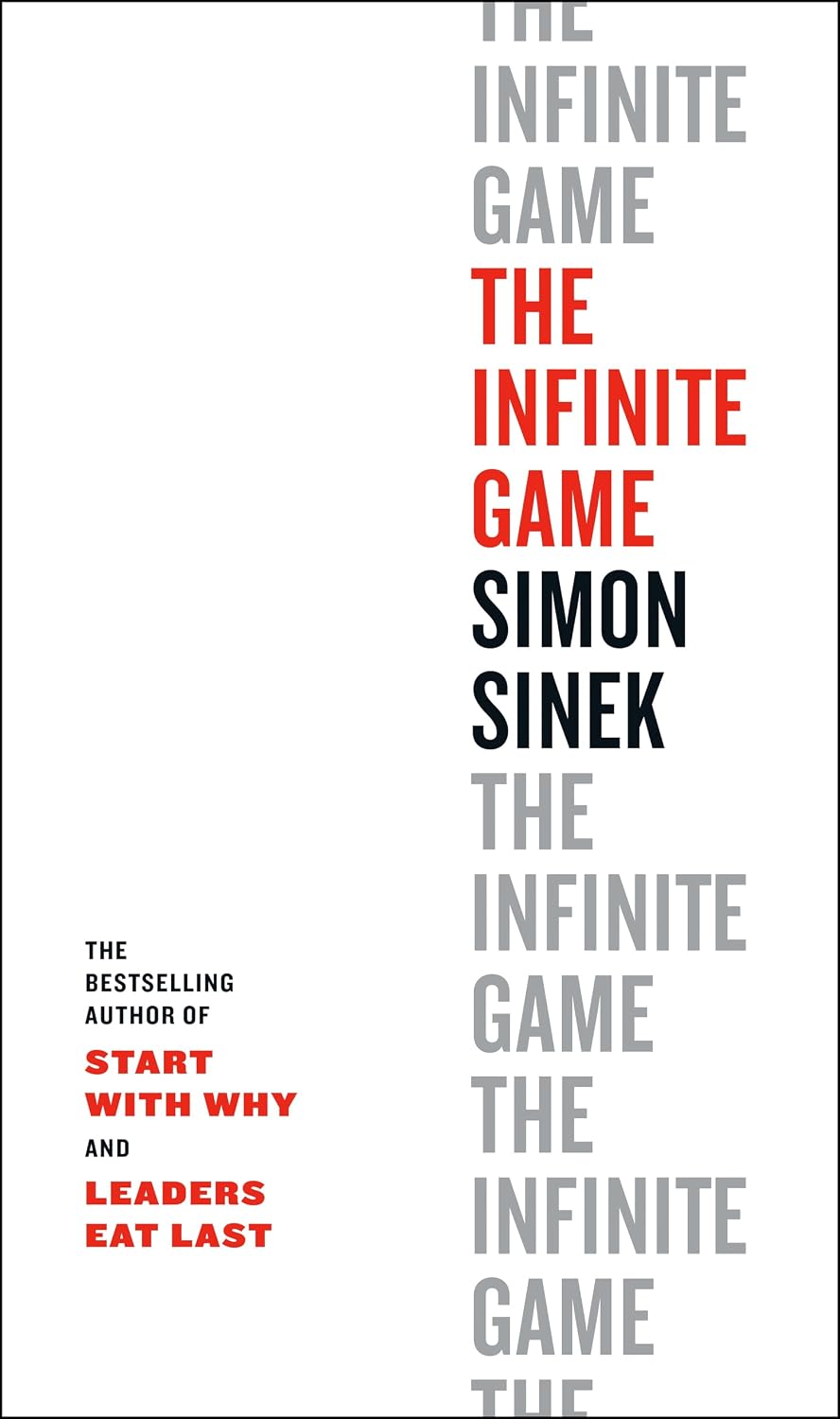
Sinek’s Golden Circle starts here. The Infinite Game is the 2019 follow-up and the source of the finite-versus-infinite framing.
The Golden Circle: Why → How → What
Sinek’s Golden Circle has three layers. Most people communicate from the outside in: they start with what they do (trade forex), then explain how they do it (using ICT concepts during kill zones), and rarely get to why they do it. Sinek argues that inspiring leaders and sustained performers invert this. They start with why.
| Key Concept | Original Context | Trading Translation |
|---|---|---|
| Start with why | Purpose drives sustained motivation through difficulty | Know why you trade. Financial freedom? Challenge? If the why is strong enough, drawdowns do not break you. |
| The infinite game | Winners play to keep playing, not to win a single round | Capital preservation IS the game. Survive this month to trade next month. Survival enables compounding. |
| Leaders eat last | Sacrifice short-term comfort for long-term team success | Sacrifice the dopamine hit of overtrading for the long-term compound curve of disciplined execution. |
| The Golden Circle | Why → How → What. Most people start with What. | Most traders start with “what setup should I trade?” Start with “why does this edge work?” and the rest follows. |
Applied to trading:
What: “I trade gold and NQ using a blend of ICT concepts and volume profiling.”
How: “I wait for daily bias, mark key levels, enter during London or New York kill zones, risk 1% per trade.”
Why: “I believe that disciplined, process-driven individuals can achieve financial independence through mastering market structure. I trade because it is the hardest thing I have ever done, and the person it forces me to become is worth more than any profit.”
The “what” and “how” get you into trades. The “why” gets you through drawdowns. When your system produces five losses in a row and your mind is screaming to switch strategies, it is not your “what” that holds you steady. It is your “why.” Without a clear purpose that transcends any individual session, you are building on sand. This is why treating trading as a business requires a mission statement, not just a strategy document.
The Infinite Game: Trading Is Not a Tournament
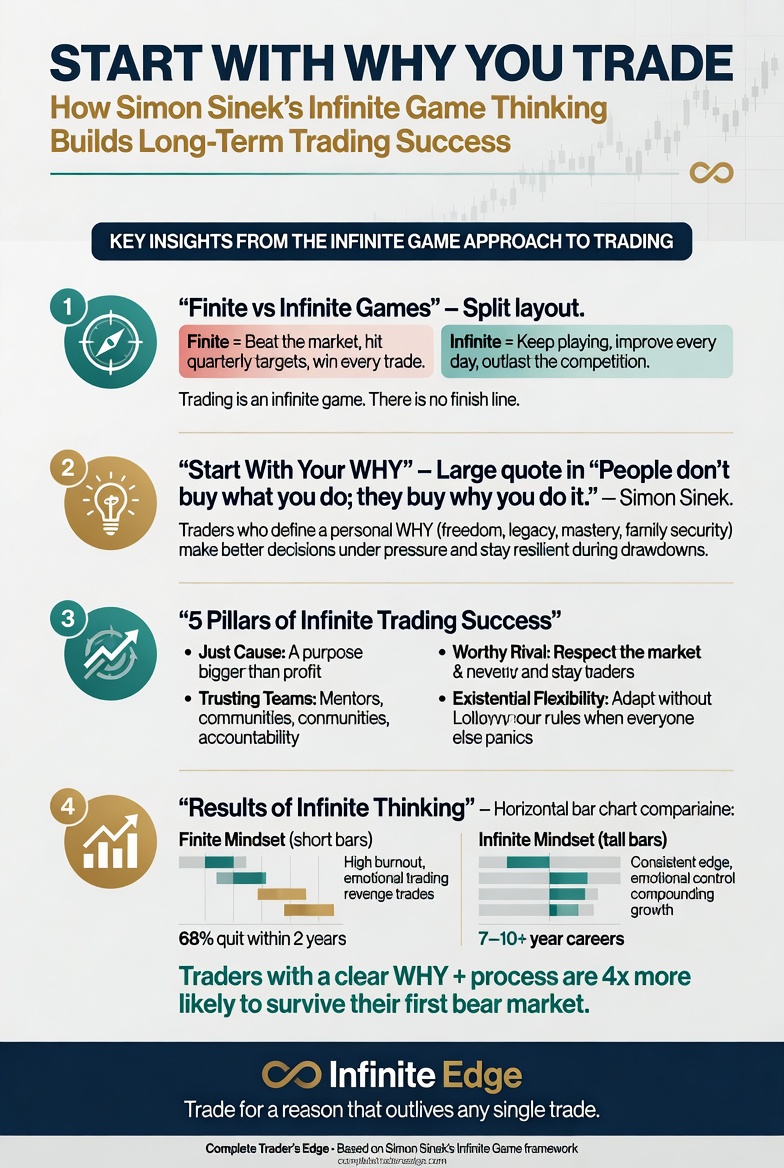
Sinek’s The Infinite Game distinguishes between finite games and infinite games. Finite games have defined players, fixed rules, and clear endpoints. Football matches, chess games, prop firm challenges. Infinite games have shifting players, evolving rules, and no definitive endpoint. Business, education, relationships. And trading.
Most retail traders play trading as a finite game. They set a target (“I will make $10,000 this month”), and when they miss it they feel like they lost. They treat each day, week, or month as a contest to be won. This creates a constant cycle of winning and losing that destroys psychology.
The infinite game player understands that the goal is not to “win” trading. The goal is to stay in the game long enough for compounding, skill development, and statistical edge to do their work. The best traders are not the ones with the biggest single month. They are the ones who are still trading profitably ten years from now. Every risk management rule is designed for one purpose: to keep you in the infinite game.
Infinite Mindset Principles for Traders
Just Cause: Your trading purpose must be bigger than any single trade or even any single year. “I am building a skill that will provide for my family for decades” is an infinite cause. “I want to make $5,000 this month” is a finite one.
Worthy Rivals: In the infinite game, competitors are not enemies to defeat but mirrors that reveal your weaknesses. The trader in your community who is more disciplined than you is not a threat. They are showing you the standard you need to reach.
Existential Flexibility: The willingness to make fundamental strategic shifts to advance your cause. If your strategy stops working because market conditions have changed, the infinite player adapts the method while maintaining the purpose. The finite player clings to the old strategy because abandoning it feels like losing.
Courage to Lead: Making unpopular decisions in service of the long game. Sitting out a volatile session while everyone in your Discord is trading. Taking a month off live trading to rebuild your journal process. Reducing position size during a losing streak when your ego demands you size up to recover faster.
Trusting Teams: For the solo trader, this means building an environment of accountability: a mentor, a trading partner, a community where honest assessment is valued over performance posturing.
Purpose-Driven Trading: Beyond the P&L
Sinek’s research shows that purpose-driven organisations outperform profit-driven ones over the long term. The same applies to individual traders. The trader whose primary motivation is money will take shortcuts when money is scarce and become reckless when money is abundant. The trader whose primary motivation is mastery, independence, or contribution will maintain consistent behaviour regardless of recent results.
Professional traders almost universally report that their relationship with money changed once they became profitable. Money became a scorecard for process quality rather than the goal itself. Sinek would say this is not a coincidence. It is the predictable result of finding a “why” that transcends financial outcome.
Finding Your Trading “Why”
Sinek suggests that your “why” already exists; you just need to uncover it. It comes from your past, from the experiences and values that shaped who you are. For traders, try this exercise:
Write the answer to each question in one sentence:
Why did you start trading? (The real reason, not “to make money.”)
What keeps you coming back after losses?
If you became consistently profitable tomorrow, what would you do with that freedom?
Who are you doing this for beyond yourself?
What does trading force you to become that you value?
Somewhere in those answers is your “why.” Write it on the first page of your trading journal. Read it before every session. It is the anchor that holds when everything else is moving.
Putting It All Together: Sinek’s Framework for Traders
Start with why. Define your purpose before your strategy. The purpose survives drawdowns. The strategy might not.
Play the infinite game. Stop treating each month as a contest. Focus on staying in the game for decades. Position sizing and risk management are your infinite game tools.
Find worthy rivals. Let other traders’ discipline inspire your own rather than threatening your ego.
Maintain existential flexibility. Adapt your methods when conditions change. Never adapt your values or your purpose.
Lead yourself with courage. Make the decisions that serve the long game even when they feel wrong in the short term.
Sinek’s message for traders is simple and profound: the traders who last are not the ones with the best entries. They are the ones who know why they are in the game, and that reason is strong enough to carry them through every losing streak, every quiet month, and every moment of doubt. Find your why, and the how takes care of itself. That is the deepest expression of the Mind pillar.
Continue Reading: The Inner Edge
The Complete Trader’s Edge
This article is part of The Inner Edge series, exploring peak performance principles for traders.
Frequently Asked Questions
How does “Start with Why” apply to trading?
Sinek’s framework means defining your purpose for trading before your strategy. Traders with a clear “why” that transcends money, such as financial independence, mastery, or providing for family, maintain motivation through drawdowns. Traders whose only motivation is profit lose motivation the moment profits dry up, which is exactly when discipline matters most.
What is the infinite game in trading?
Trading is an infinite game with no defined endpoint, evolving conditions, and changing participants. Treating it as a finite game with monthly win/lose scorecards destroys psychology. The infinite mindset focuses on staying in the game long enough for compounding and skill development to produce results, which is why risk management exists.
How do I find my trading purpose?
Ask yourself why you started trading beyond money, what keeps you coming back after losses, what you would do with consistent profitability, and who you are doing this for beyond yourself. Your purpose lies in the intersection of those answers. Write it down and read it before every session.
Why do purpose-driven traders outperform profit-driven traders?
Purpose-driven traders maintain consistent behaviour regardless of recent results because their motivation does not fluctuate with P&L. Profit-driven traders take shortcuts when losing and become reckless when winning. Over hundreds of trades, consistent behaviour produces better outcomes than behaviour that swings with emotional reactions to short-term results.
What is existential flexibility in trading?
Existential flexibility is the willingness to fundamentally change your approach when conditions demand it, while maintaining your core purpose. If your strategy stops working because the market has evolved, the infinite player adapts the method while keeping the values and purpose intact. This prevents the two extremes: stubbornly clinging to a broken system or abandoning every approach after a few losses.
 The Complete Trader's Edge
The full Mind · Method · Money framework. 70 chapters.
View on Amazon →
The Complete Trader's Edge
The full Mind · Method · Money framework. 70 chapters.
View on Amazon →
 Market Mayhem
400 years of bubbles, crashes, and the pattern that keeps repeating.
Buy on Amazon →
Market Mayhem
400 years of bubbles, crashes, and the pattern that keeps repeating.
Buy on Amazon →
 Greatest Companies
How the world's greatest companies were built — and what traders learn from them.
View on Amazon →
Greatest Companies
How the world's greatest companies were built — and what traders learn from them.
View on Amazon →