

There is a moment, six losses into a drawdown, when a trader stops trading his system. He does not announce it. He skips one signal, takes one trade a little early, moves one stop. Ask him why and he will describe the market. The real answer is simpler: he never believed the rules in the first place. He borrowed them, and borrowed rules are the first thing a drawdown repossesses.
Why You Must Trust Your Trading System Before You Need To
Every system produces a stretch that feels like failure. That is arithmetic, not misfortune. A 40% win rate makes four consecutive losses ordinary and six not remarkable. The rules will keep issuing signals throughout. Following them requires believing, while losing, that the losing is normal. Belief of that specific kind cannot be summoned in the moment. It has to already be there, and where it comes from is the entire subject of this node.
Trust in a trading system is not a feeling about the system. It is a memory of having personally watched the system behave badly and recover. A trader who has seen, with his own eyes, across a hundred marked-up historical occurrences, that this setup produces exactly these losing runs and still ends positive, has a specific and defensible expectation. A trader who read the same claim in a course has a hope.
Borrowed Rules Break First
Consider what a borrowed rule actually is: a conclusion without the evidence that produced it. It works fine when the market is agreeable, because agreement does not test belief. Under pressure, the trader reaches for his reasons to hold the line and finds someone else’s reasons, which do not carry. Someone else’s confidence is not transferable.
This explains a pattern every trading community displays. Traders cycle through systems, each abandoned after a losing streak that was statistically unremarkable, each replaced by a new one that appears superior precisely because it has not yet had a chance to lose. The problem was never the systems. Most of them would have worked. The problem is that no one who has not tested a rule can hold it when it hurts, so every rulebook has an expiry date set by the first honest drawdown.
DO THIS
Never trade a rule you have not personally verified over at least 100 occurrences. Not read, not accepted, not backtested by somebody else. Marked up by hand, on your instrument, including every ugly instance the rule would have taken. If a rule cannot survive your own inspection, it will not survive your account. The 100 occurrences are not for the rule’s benefit. They are for yours.
What Verification Actually Builds
Working through a hundred occurrences produces three things a summary never can. You get the base rate, so the win rate stops being a claim. You get the shape of the losing runs, so when four losses arrive you recognise the pattern instead of interpreting it. And you get something less quantifiable and more important: the felt sense of the rule’s behaviour, the texture of how it fails, which is the thing that lets you stay seated.
Backtesting is therefore not a validation exercise performed for the rule. It is a belief-construction exercise performed on the trader. This is also why hand-testing beats a fast automated report at this stage. The point is not the summary statistic. The point is that you watched it happen, repeatedly, and no longer need to take anyone’s word for what comes next.
Trust Is Not Loyalty
One clarification, because this idea is easily corrupted into stubbornness. Trust means you do not abandon a system inside a drawdown of a depth your own testing showed it produces. It does not mean the system is permanent. A drawdown that exceeds anything in your 100-occurrence sample is genuine information, and the painful-period node gives you the threshold: do not judge the system before its implied longest streak has been exceeded. After that, you are permitted to think again. Before it, you are just uncomfortable.
On the Trader’s Roadmap, system trust sits at tier seven of the Method pillar, high, near the summit, above fat tails and beneath the final question of whether trading can be taught at all. It links directly across to Mind, to the rules you actually follow. That cross-link is the tree’s quiet thesis: a rule you did not test is a rule you will not keep, and a rulebook you will not keep is not a system. It is a wish list.
Test your rules, then track whether you kept them, with the free Edge Companion app. The full Method ascent is on the Trader’s Roadmap.
 The Complete Trader's Edge
The full Mind · Method · Money framework. 70 chapters.
View on Amazon →
The Complete Trader's Edge
The full Mind · Method · Money framework. 70 chapters.
View on Amazon →
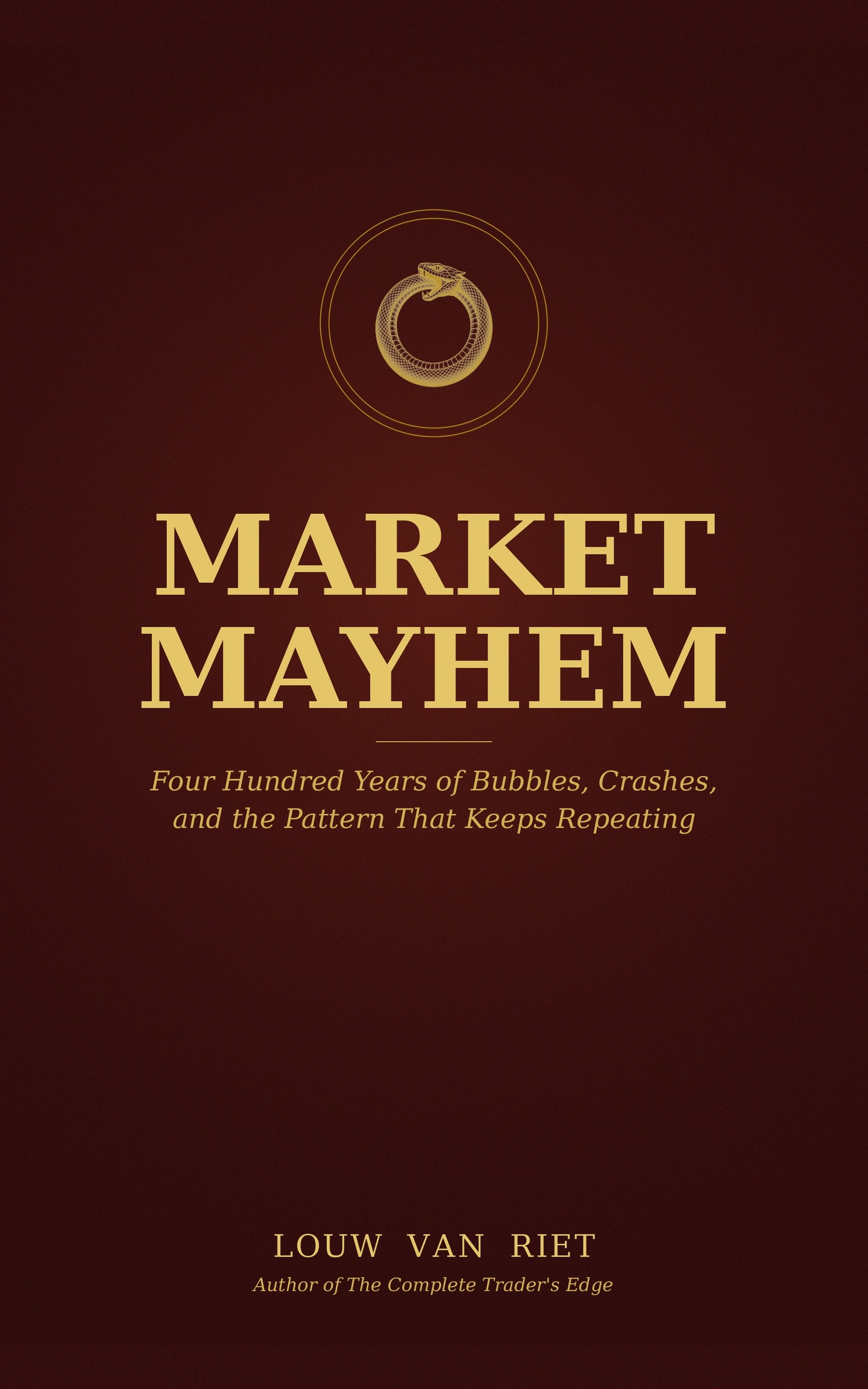 Market Mayhem
400 years of bubbles, crashes, and the pattern that keeps repeating.
Buy on Amazon →
Market Mayhem
400 years of bubbles, crashes, and the pattern that keeps repeating.
Buy on Amazon →
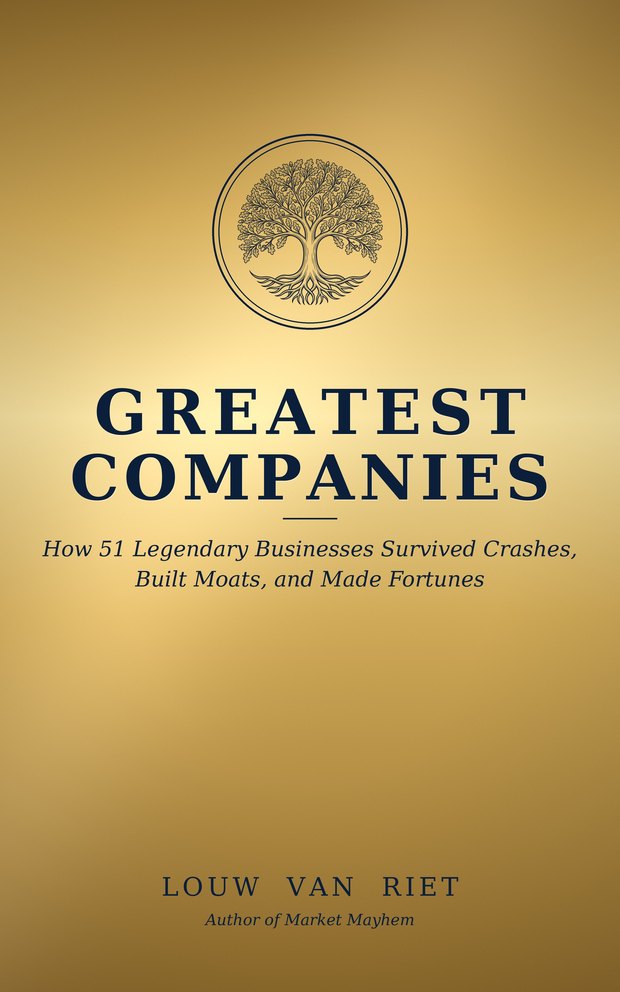 Greatest Companies
How the world's greatest companies were built — and what traders learn from them.
View on Amazon →
Greatest Companies
How the world's greatest companies were built — and what traders learn from them.
View on Amazon →
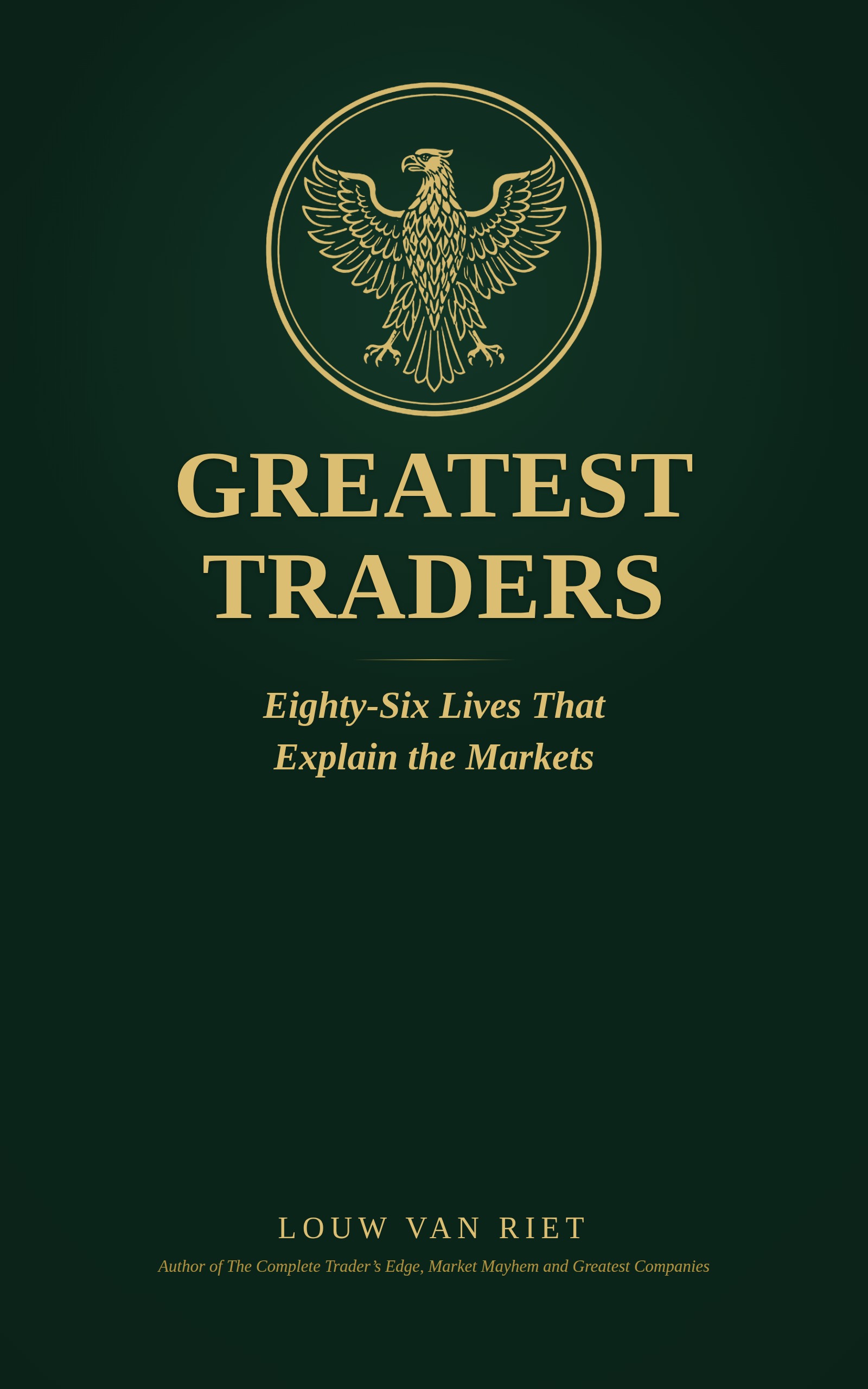 Greatest Traders
Eighty-six lives that explain the markets — Livermore to Madoff, told with the losses left in.
View on Amazon →
Greatest Traders
Eighty-six lives that explain the markets — Livermore to Madoff, told with the losses left in.
View on Amazon →