

Trading Around the World · United Kingdom
Trading and Investing in the United Kingdom
Britain gives retail traders something almost nowhere else does: a legal, tax-free way to speculate. It also caps your leverage at 30:1 and leaves you with no compensation scheme the moment you step outside an authorised firm. Both halves matter.
Everything a retail trader wants to do is legal in the UK – shares, funds, CFDs, spread bets, futures and crypto. What the FCA regulates is how hard you are allowed to lever it and who is allowed to sell it to you. Retail CFD leverage is capped between 30:1 and 2:1 depending on the asset, positions close out at 50% of required margin, and you cannot lose more than the money in the account.
The tax question is where Britain is genuinely unusual. The same trade is taxed three different ways depending on the wrapper you put it in. A spread bet is gambling and pays nothing. A CFD is a capital disposal and pays 18% or 24% above a £3,000 allowance. A share purchase pays 0.5% stamp duty on the way in. Choosing the instrument is a tax decision before it is a trading decision.
The United Kingdom at a glance
What UK traders are and are not allowed to do
Britain does not ban much. It restricts how much rope an authorised firm may hand a retail client, and it draws a hard line at firms that are not authorised at all.
| Activity | Status | Governed by | The catch |
|---|---|---|---|
| UK shares, funds and investment trusts | Permitted | FCA | 0.5% stamp duty reserve tax on most electronic purchases |
| Spread betting | Permitted | FCA | Treated as gambling for tax, which cuts both ways |
| Retail CFDs | Permitted, restricted | FCA | Leverage capped 30:1 to 2:1, margin close-out at 50% |
| Futures and options | Permitted | FCA | Through an authorised firm; higher account minimums in practice |
| Offshore high-leverage brokers | Outside the perimeter | – | No FSCS, no Ombudsman, no recourse if the firm fails |
| Prop firm evaluations | Not regulated | See section 02 | Legal to buy, but you are not an FCA client |
The rules that actually shape your trading come from the FCA’s 2019 policy statement PS19/18, which made the earlier ESMA restrictions permanent in the UK. For CFDs and CFD-like options sold to retail clients, firms must limit leverage to between 30:1 and 2:1 depending on the volatility of the underlying, close your positions when equity falls to 50% of the margin required to maintain them, guarantee you cannot lose more than the funds in your trading account, stop offering cash or other inducements to trade, and publish a standardised risk warning carrying that firm’s own percentage of loss-making retail accounts.
You can be opted up to professional client status and access higher leverage, but the eligibility tests are strict and you forfeit the retail protections above, including negative balance protection and, in most cases, access to the Financial Ombudsman Service. It is a trade, not an upgrade.
Is forex trading legal in the UK? What the FCA actually restricts, why the 30:1 cap is the protection rather than the obstacle, how to check a firm on the Register and Warning List in two minutes, and what professional status really costs you.
How each instrument is taxed in the UK
The highest-intent question on this page. The instrument decides the tax, and the gap between the best and worst choice is larger than most trading edges.
Spread bets
No Capital Gains Tax and no stamp duty for most UK residents, because HMRC treats a genuine spread bet as betting rather than investing. You do not report the profits. The price of that: losses are not allowable against anything.
CFDs
Capital Gains Tax at 18% or 24% on gains above the annual exempt amount, which is £3,000 for 2026/27. No stamp duty, because you never own the asset. Losses are allowable and can be carried forward.
Shares and ETFs
Stamp duty reserve tax of 0.5% on most electronic purchases of UK shares, then CGT on disposal at the same 18% or 24%. Nil inside an ISA or a pension.
Futures and options
Chargeable to CGT for most private investors, with no UK equivalent of the US 60/40 split. The wrapper, not the contract, is where UK tax efficiency comes from.
The spread-betting caveat nobody prints in the advert.
Two conditions sit under the tax-free headline. HMRC can tax betting where it forms part of a trade you already carry on – the risk is real for someone whose financial activity already looks like a business, not for a salaried person trading their own money. And because spread bets sit outside the capital gains regime entirely, a losing year gives you nothing to offset. Tax-free on the upside means relief-free on the downside, and most retail accounts have more downside than upside.
The full spread bet versus CFD tax comparison: both products costed on a winning year and a losing one, and the case for deliberately choosing the taxed one.
Prop firms and the UK regulatory perimeter
No honest UK prop guide starts with a list of firms. It starts with where the firms sit relative to the FCA, because that determines what happens when something goes wrong.
A prop firm running simulated evaluations is not, on the conventional reading, carrying on a regulated activity. It holds no client money and executes no client orders – it sells an assessment and pays a performance fee. That is why almost none of them are FCA authorised, and why buying a challenge is perfectly legal for a UK resident.
The consequence is the part that gets skipped. You are not an FCA client. There is no Financial Services Compensation Scheme cover if the firm fails, no Financial Ombudsman Service if a payout is refused, and no regulated complaints process at all. Your protection is the firm’s own terms and your own diligence.
| If you trade with | FSCS | Ombudsman | Your recourse |
|---|---|---|---|
| An FCA-authorised UK broker | Yes | Yes | Statutory, and independent of the firm |
| A prop firm evaluation | No | No | The firm’s terms and conditions |
| An unauthorised offshore broker | No | No | Effectively none |
Check the firm before you pay. The FCA publishes a Warning List of firms it believes are providing or promoting financial services in the UK without permission, and trading-adjacent firms do appear on it. Search the name there and on the Financial Services Register before any card details are entered. UK-facing marketing is also caught by the financial promotions regime under section 21 of FSMA, which is the lever the FCA has actually been using on this sector – claims about consistent returns or typical trader outcomes, without prominent risk disclosure and a clear statement that the trading is simulated, are exactly what it objects to.
Acceptance of UK residents by individual firms changes without notice, and is the sort of claim that ages badly in writing. Verify current status with the firm itself before purchasing.
The full UK prop-firm guide: why the firms sit outside the FCA perimeter, what that costs you when a payout is refused, the rules that actually end accounts, and how HMRC taxes the money when it arrives.
Funding and payout rails: wires, Rise, crypto and cards compared on speed, fees and the currency conversion nobody prices – plus the paper trail HMRC will eventually ask for.
Affiliate disclosure: CTE earns a commission on some outbound links at no cost to you. It does not influence which firms are covered or how they are assessed.
Brokers and platforms
In the UK the useful filter is not spreads. It is whether the firm is on the register, and which wrapper it can hold for you.
Authorised UK brokers
Check the Financial Services Register for the firm’s permissions and its reference number, not just a logo on the website. Authorised investment firms bring FSCS cover up to £85,000 per person per firm, and access to the Ombudsman.
Spread bet or CFD, same screen
Most UK providers offer both on the same platform, which is why people trade the wrong one by accident. The choice is a tax choice: no CGT and no loss relief, or CGT and loss relief.
Wrappers matter more than fees
An ISA or SIPP removes CGT and dividend tax entirely. For a long-horizon account that is worth more than any difference in commission.
The offshore temptation
Higher leverage is available outside the perimeter and it is the single most common route to a total loss with no recourse. The 30:1 cap is the protection, not the obstacle.
Best UK brokers, organised by wrapper rather than by spread: ISA, SIPP, spread bet, CFD and general account compared on tax, leverage and protection, plus the four costs people forget.
How to start trading in the UK
The order that actually works, rather than the order most people try.
Learn a method before funding anything. Prove it on a demo across at least twenty sessions, so you have a sample rather than a story. Only then choose the wrapper – spread bet, CFD, or shares in an ISA – and choose it on how you intend to trade and how you want losses treated, not on which advert you saw last. Size the account on what you can genuinely afford to lose. For anyone drawn to index trading, our complete guide to trading the NASDAQ is the natural next read.
The full step-by-step for UK traders: market, method, strict demo, wrapper, then size – what to skip at each stage, and the realistic six-month timeline nobody advertises.
Sessions and killzones in UK time
British traders sit on the best clock in the world for this, and most of them never use it properly.
The UK trading day · 24 hours, London time
Read it this way. The London killzone is the only major killzone that falls inside a normal European morning, and it sits on the instruments Britain trades most: gold, cable and euro. The New York killzone then lands over the UK lunch hour and afternoon, which is workable for anyone with flexibility but not for a fixed desk job. The structural cost is that you are trading London liquidity against everyone else who is also awake for it. India’s advantage is timing; Britain’s is proximity, and proximity is not an edge on its own.
The session facts behind the bars. The London equity session runs 08:00–16:30 on the LSE. Britain keeps GMT in winter and BST in summer, and because New York shifts on different dates, the US blocks move by an hour for a fortnight each spring and autumn. Check the clock, not the habit, in late March and late October.
Investing in the UK, not trading it
Most people reading this page should be investing rather than trading. That is an awkward thing for a site carrying prop firm links to say, so let us say it properly.
Britain hands private investors two of the best tax wrappers in the developed world and most people underuse both. Inside a Stocks and Shares ISA there is no CGT and no further tax on dividends. Inside a pension you get relief at your marginal rate on the way in. Neither requires you to be right about anything more than staying invested.
What follows is not stock tips or fund selection. CTE does not do those. What CTE covers is the part almost nobody does: how the people who compounded capital over decades actually thought – and Britain produced a remarkable number of them.
| Wrapper | 2026/27 limit | What it removes |
|---|---|---|
| Stocks and Shares ISA | £20,000 across all ISAs | CGT and further dividend tax, entirely |
| Lifetime ISA | £4,000, inside the £20,000 | Same, plus a government bonus, with access rules attached |
| Pension or SIPP | Annual allowance applies | Tax relief in, growth sheltered, taxed on the way out |
| General investment account | No limit | Nothing – CGT at 18% or 24% above £3,000 |
One change worth diarising: from 6 April 2027 the cash ISA subscription limit for people under 65 is due to fall to £12,000, while the overall £20,000 ISA allowance stays. For anyone holding the full allowance in cash, that is a decision that has to be made in the 2026/27 year rather than after it.
The boring route, written honestly: wrapper before fund choice, three routes by how much decision-making you actually want, what it really costs, and the behaviour that decides the outcome.
| Trading | Investing | |
|---|---|---|
| Horizon | Minutes to days | Years to decades |
| Edge comes from | Execution, timing, risk control | Business quality, patience, temperament |
| Time cost | Daily screen time, non-negotiable | A few hours a quarter |
| Tax treatment | Spread bet, CFD or CGT, by instrument | Nil inside an ISA or pension |
| Failure mode | Blown account, fast | Selling at the bottom, slow |
How the British market was built
From a coffee house in Change Alley to the FTSE 100 – and the British bubbles that wrote company law, built the railways, and, three centuries on, let a London exchange cancel trades that had already happened.
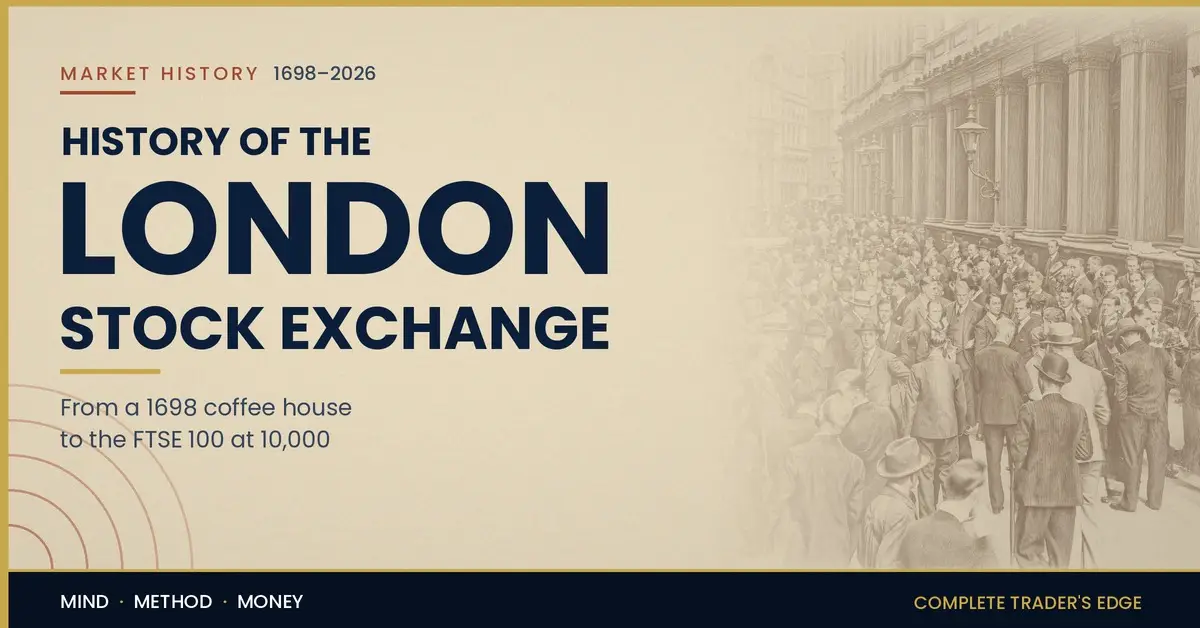
The History of the London Stock Exchange
From a 1698 coffee house to the FTSE 100: the institution that invented much of what the rest of the world later copied.

The South Sea Bubble, 1720
The bubble that broke Britain, took Newton’s money with it, and produced the Bubble Act that shaped company law for a century.

Railway Mania, 1840s
Iron horses and paper fortunes: the most British bubble there is, and the one that built infrastructure the country still runs on.
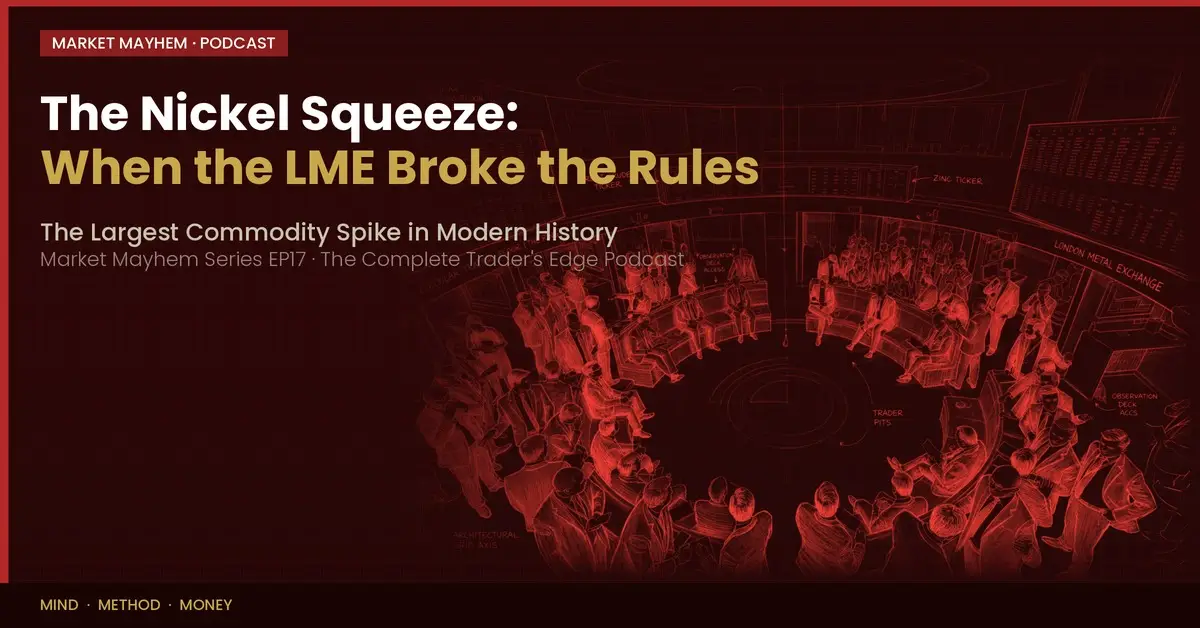
The LME Nickel Squeeze, 2022
A London exchange cancelled billions in completed trades. The most recent reminder that market structure is a risk you carry.
British traders and investors worth studying
Not for their picks. For how they thought when everyone around them was wrong – including what each of them got badly wrong.

Anthony Bolton
Compounded 19.5% a year for 28 years at Fidelity, then discovered in China that an edge does not always travel.

Amrit Sall
The British event trader who waits for the one setup a week that is worth taking, and sizes it like he means it.

Colm O’Shea
The London macro trader who reacts rather than predicts, and treats every position as a hypothesis with an exit attached.

Daljit Dhaliwal
The British event trader who turned risk control into the whole method, and made asymmetry the only trade he takes.
Four more British profiles are in the queue: Chris Hohn of TCI on 15 October, Michael Platt of BlueCrest on 19 October, Terry Smith of Fundsmith on 3 December, and the cautionary one – Nick Leeson, one hidden account and a 233-year-old bank gone – on 14 December.
Explore all legendary traders →
Run the numbers before you commit
Every tool below is already live on CTE.
Common questions from UK traders
Is spread betting really tax free in the UK?
For most retail traders, yes. HMRC treats a genuine financial spread bet as betting rather than a chargeable disposal, so there is no Capital Gains Tax and no stamp duty, and you do not report the profits. Two conditions attach: HMRC can tax betting that forms part of a trade you already carry on, and spread betting losses cannot be set against gains on anything else.
How much leverage can a UK retail trader get?
Between 30:1 and 2:1 on CFDs, depending on the volatility of the underlying, under FCA rules confirmed in PS19/18. The same rules require a 50% margin close-out, negative balance protection, no inducements to trade and a standardised risk warning showing the firm’s own percentage of losing retail accounts. Professional clients can access more, but give up those protections.
Are prop firms legal in the UK?
Buying an evaluation is legal. The firm is generally not FCA authorised, because selling a simulated assessment is not a regulated activity, so you are not an FCA client: no FSCS, no Ombudsman, no regulated complaints route. Check any firm against the FCA Warning List and the Financial Services Register before paying, and read the payout terms as the contract they are.
Spread bet or CFD – which should I use?
If you expect to be profitable and want the simplest tax outcome, the spread bet keeps everything. If you expect losses you want to use, or you already have gains elsewhere to offset, the CFD gives you allowable losses that a spread bet never will. Neither is free: both charge a spread and overnight financing.
Do I pay stamp duty on CFDs or spread bets?
No. Stamp duty reserve tax of 0.5% applies to most electronic purchases of UK shares, because you take ownership. CFDs and spread bets never transfer ownership, so no stamp duty arises on either.
Should I be investing instead of trading?
Probably, if you have a stable income and no edge you can describe in one sentence. Britain’s ISA and pension wrappers make the boring route unusually rewarding here. Trading is a craft worth learning if you want the craft. It is a poor plan for getting rich faster.
Worth reading first
The framework, the history, and the businesses – the three volumes this site is built on.

The Complete Trader’s Edge
70 chapters. Mind, Method and Money taught from the ground up.
Market Mayhem
Four hundred years of bubbles, including the South Sea one that started in London.

Greatest Companies
51 businesses, how the moats were really won. The investor’s volume.
Other country hubs
Same structure, different rulebook. Each hub is written for the trader who lives there.
New to all of this?
Start with the framework rather than the firm. Mind, Method and Money, in that order, for the reason most funded accounts fail on the first one.
Not tax, legal or financial advice. UK tax and regulatory rules change and their application depends on individual circumstances. Nothing here substitutes for a qualified accountant, an FCA-authorised adviser or your own reading of primary sources – HMRC, the FCA and the Financial Services Register. Verify all rates, thresholds and regulatory positions before acting.
Affiliate disclosure. CTE earns commission on some outbound links at no additional cost to you. It does not influence which firms are included or how they are assessed.
Last reviewed 26 September 2026. Next scheduled review after the Spring Statement.
 The Complete Trader's Edge
The full Mind · Method · Money framework. 70 chapters.
View on Amazon →
The Complete Trader's Edge
The full Mind · Method · Money framework. 70 chapters.
View on Amazon →
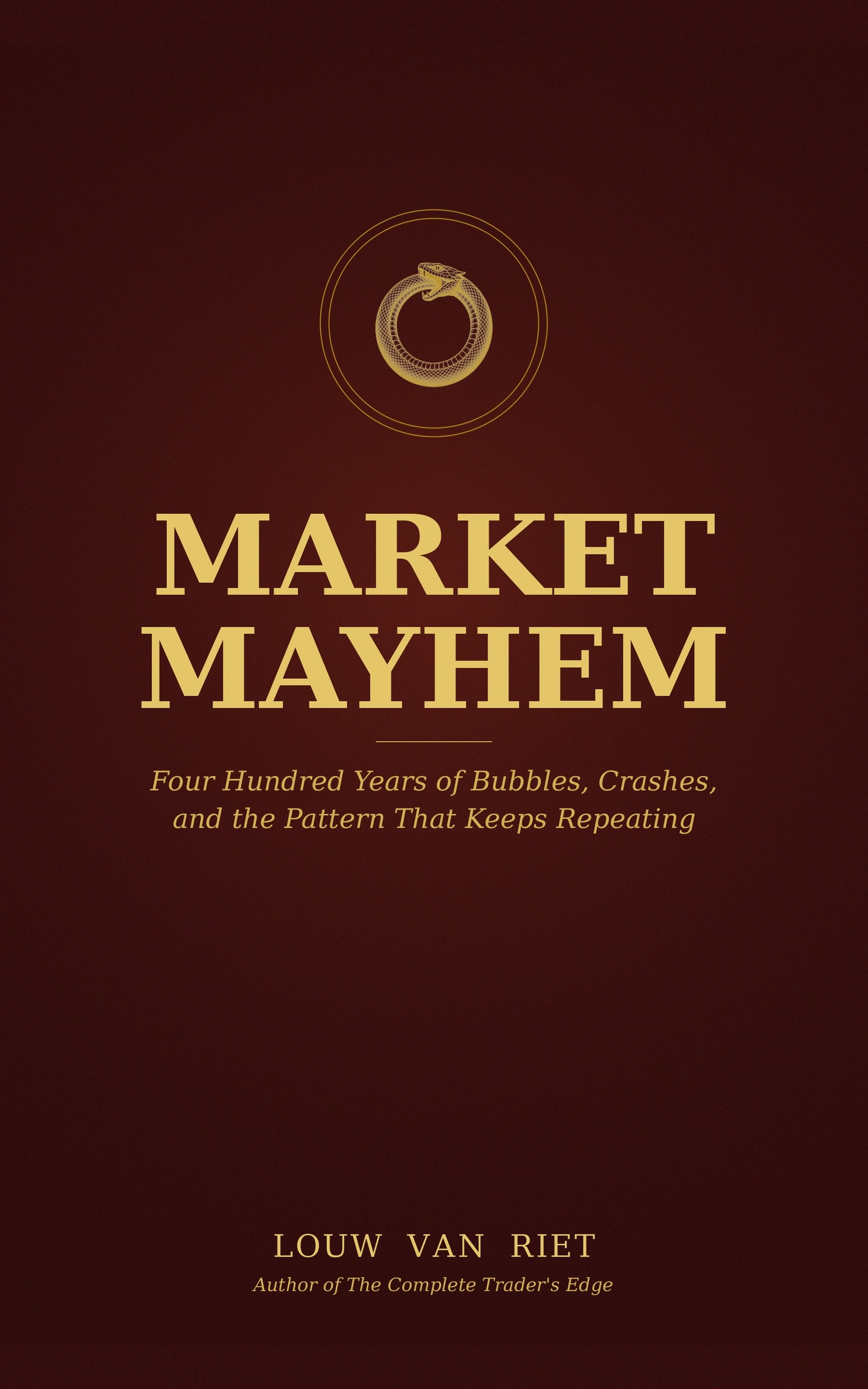 Market Mayhem
400 years of bubbles, crashes, and the pattern that keeps repeating.
Buy on Amazon →
Market Mayhem
400 years of bubbles, crashes, and the pattern that keeps repeating.
Buy on Amazon →
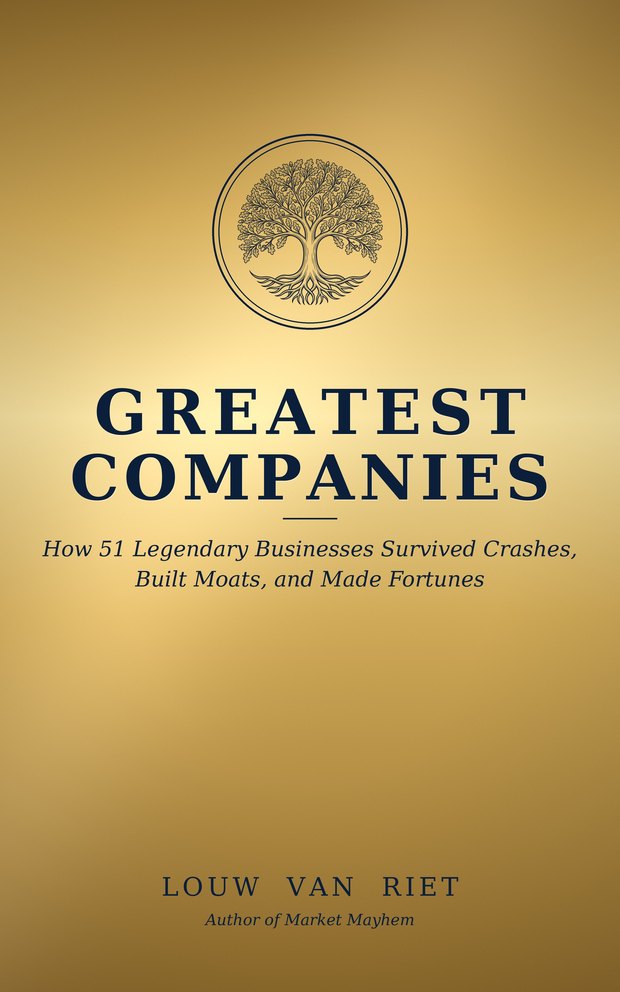 Greatest Companies
How the world's greatest companies were built — and what traders learn from them.
View on Amazon →
Greatest Companies
How the world's greatest companies were built — and what traders learn from them.
View on Amazon →
 Greatest Traders
Eighty-six lives that explain the markets — Livermore to Madoff, told with the losses left in.
View on Amazon →
Greatest Traders
Eighty-six lives that explain the markets — Livermore to Madoff, told with the losses left in.
View on Amazon →