

Trading Around the World · United Arab Emirates
Trading and Investing in the UAE
The UAE taxes almost nothing a private trader earns, sits between London and New York on the clock, and runs three separate financial regulators. The first two are the reasons people move here. The third is where they get caught out.
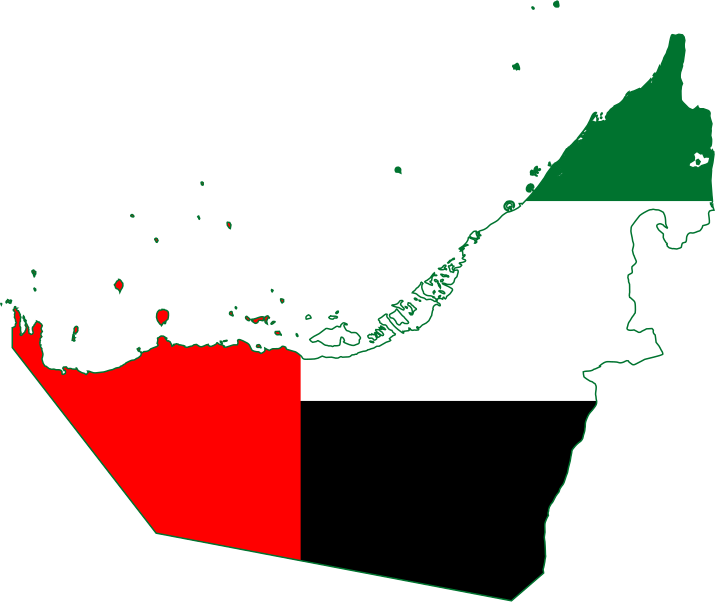
Trading is legal in the UAE, but which regulator protects you depends on where your broker is licensed. Onshore firms answer to the federal Capital Market Authority, which replaced the Securities and Commodities Authority on 1 January 2026. Firms in Dubai’s DIFC answer to the DFSA, and firms in Abu Dhabi’s ADGM to the FSRA. A brand can hold one of these licences and still onboard you through an offshore entity that holds none.
The tax position is the simple part. Gains a private individual makes on their own investments are not taxed. The 9% corporate tax only reaches an individual once they are running a business with turnover above AED 1 million a year, and personal investment income is excluded from that test.
The UAE at a glance
Three regulators, and why it matters which one
The UAE does not have one financial rulebook. It has a federal one and two free-zone ones, and the protection you get follows the licence, not the logo.
| Where the firm is licensed | Regulator | Retail CFD leverage | The catch |
|---|---|---|---|
| Onshore UAE | Capital Market Authority (CMA) | No published numeric cap found | The regime was rewritten on 1 January 2026 and transition rules are still settling |
| Dubai International Financial Centre | DFSA | 30:1 on major FX pairs | Applies to the DIFC entity only |
| Abu Dhabi Global Market | FSRA | Margin rules for retail clients | Applies to the ADGM entity only |
| Offshore, marketed into the UAE | None in the UAE | Whatever the firm offers | No UAE regulator to complain to if it goes wrong |
The SCA is now the CMA. Two federal laws, No. 32 and No. 33 of 2025, reconstituted the Securities and Commodities Authority as the Capital Market Authority and replaced the old capital markets law, both from 1 January 2026. The new law also reaches firms that target clients in the UAE from outside it. Much of what you will read online still says SCA; the name on a licence you check today should be CMA, with a transition period for existing licence holders.
The DFSA rules are the clearest. Since December 2021, DIFC-licensed firms have had to apply minimum margin to retail CFD positions: 3.33% on major currency pairs (30:1), 5% on gold, minor pairs and major indices (20:1), 20% on shares (5:1) and 50% on crypto (2:1). Positions close out when equity falls below 50% of the margin requirement, and losses are limited to the funds in the account. The FSRA formalised margin close-out for retail clients in ADGM, along with limits on referrals by unregulated third parties and on funding with credit cards.
The CMA is fining unlicensed firms.
On 3 June 2026 the Capital Market Authority announced Dh5.5 million in fines on companies carrying on unlicensed financial and investment activity, along with office closures and blocked websites. Through 2026 it has issued named warnings against individual firms and social media accounts. There is no single published blacklist in the style of India’s RBI Alert List, so the check runs the other way: confirm the licence before you send money, rather than looking for a name on a warning list.
Read the guide → Is forex trading legal in the UAE? The CMA, DFSA and FSRA rules side by side, how to check a licence in two minutes, and what the switch from SCA to CMA actually changed.
How trading income is taxed in the UAE
For most private traders the answer is not at all. The interesting question is where that stops being true.
Your own investments
No personal income tax and no capital gains tax. Under Cabinet Decision No. 49 of 2023, personal investment income is excluded from corporate tax, provided it is your own account and not conducted under, or requiring, a licence.
A trading business
An individual running a business pays 9% corporate tax once turnover from that business passes AED 1 million in a calendar year. It is a turnover test, not a profit test.
Prop firm payouts
Not settled. A payout is paid by the firm rather than earned on your own capital, which makes it look less like personal investment income. Take this one to a UAE tax adviser before you assume it is exempt.
Your home country
Moving to Dubai does not end your old tax residency automatically. Many countries keep taxing you until you meet their own exit rules.
Is trading taxed in the UAE? Personal investment income, the AED 1 million turnover test, where prop payouts sit, and the home-country trap that catches most new arrivals.
Funding an account from the UAE and getting paid: AED cards, wires and crypto routes compared, and the paper trail your bank will ask for.
Prop firms that accept UAE residents
Several of the biggest prop firms are run from the UAE. That does not mean they will take you as a client.
| Firm | UAE residents | Source |
|---|---|---|
| FundedNext · review | Accepted | Not on its CFD or Futures restricted lists; headquartered in Ajman |
| FTMO · review | Accepted | Not on the residency restrictions in its “Who can join FTMO” FAQ (page updated 30 September 2026) |
| The5ers · review | Accepted | Not on the Forbidden Territory list in its terms and conditions (updated 12 October 2026) |
| FundingPips · review | Not accepted | Its own help centre lists the UAE as a restricted residence |
Acceptance lists change without notice, and the answer that matters is the one at payout, not just at signup. A prop firm selling a simulated evaluation is generally not a licensed financial firm, so a refused payout leaves you with the firm’s terms and nothing more. Read the payout clause before the pricing page.
Start with FundedNext → FTMO → The5ers →
Read the FundedNext review: where it pays, and where it doesn’t →
FTMO vs FundedNext vs FundingPips, compared on the rules that end accounts →
The full UAE prop-firm guide: who accepts UAE residents, the rules that bite hardest in Gulf hours, and what happens to your payout if the firm changes its country list.
Affiliate disclosure: CTE earns commission from some trading firms, including FundedNext, FTMO, The5ers and FundingPips. FundingPips does not accept UAE residents and is listed here only so you do not buy a challenge you cannot be paid out on.
Brokers and platforms
In the UAE the filter that matters is the licence and the entity, not the spread.
Match the entity to the licence
Many global brands hold a DFSA or FSRA licence for one entity and onboard most clients through another. Check which entity your account agreement names, and look that entity up with its regulator.
Onshore, DIFC or ADGM
Each carries a different rulebook and a different complaints route. The DFSA’s retail leverage limits are published; onshore limits under the new CMA regime are less clear.
Swap-free accounts
Most brokers serving the Gulf offer Islamic accounts that replace overnight swap with a fixed fee. Compare the fee, not just the label.
The offshore temptation
Higher leverage is easy to find offshore. So is losing your deposit with no regulator on your side. The cap is the protection, not the obstacle.
Licensed in the UAE, checked on the regulators’ registers in October 2026: IG (DFSA, ref. F001780), XTB (DFSA, ref. F006316), AvaTrade (FSRA, FSP 190018), Interactive Brokers (DIFC branch, DFSA ref. F008423) and Pepperstone (DIFC company, DFSA ref. F004356). Interactive Brokers’ and Pepperstone’s DIFC companies are licensed to arrange deals, so check which group company holds your account.
Best brokers in the UAE: how to check a CMA, DFSA or FSRA licence, which entity you are really signing with, and the costs Gulf traders forget.
Sessions and killzones in Gulf Standard Time
The UAE sits between London and New York, and both killzones land between late morning and early evening. Few places are better placed.
The UAE trading day · 24 hours GST (winter)
Read it this way. The London killzone lands across the late morning, on top of the DFM session, so a trader can watch both from one desk. The New York killzone runs from 16:00 to 19:00, which is the early evening for most UAE working hours. That is the structural advantage: India gets New York after work, Britain gets London before it, and the UAE gets both inside a waking day.
The session facts behind the bars. The DFM trades Monday to Friday, 10:00–14:45 GST. The UAE does not observe daylight saving, so when London and New York move to summer time in March, both Western blocks arrive an hour earlier here. Times above are for the northern winter.
Gold is the instrument that fits this clock best, and it is the one most UAE traders already watch. Our guide to trading gold in the ICT killzones is the natural next read, and the session breakdown covers the logic behind the blocks.
ICT killzones in Gulf Standard Time: the full conversion for winter and summer, and which prop firm rules bite hardest in the UAE evening.
Trading gold from the UAE: sessions, spreads and how the Dubai gold market fits next to XAUUSD on a screen.
Investing from the UAE, not trading
With no tax on personal investment gains, the UAE is one of the few places where buying and holding costs nothing extra at the end of the year.
Most people reading this should be investing rather than trading. A long-horizon portfolio held in your own name keeps every dirham of its gains under UAE rules, which makes the boring route unusually rewarding here. The things to get right are the home-country tax position and which licensed platform holds your assets, not which stock to buy.
What CTE covers is the part almost nobody does: how the people who compounded capital over decades actually thought. Start with Greatest Companies, 51 businesses and how their moats were really won.
Context worth having
The Gulf’s markets are young, and their biggest lesson came early, from next door.
Souk Al-Manakh, 1982
Kuwait’s unofficial stock market, built on post-dated cheques. The Gulf’s first great crash, and the warning the UAE built its exchanges around.

The History of Oil
From Drake’s 1859 well to the Strait of Hormuz – the commodity that still sets the region’s mood.

The 1973 Oil Shock
What the region’s producers did to markets everywhere, and what it teaches about a market built on a few giants.
The History of Gold
Five thousand years of money, power and markets – and the metal Dubai still trades by the gram in its souks.

Saudi Aramco’s IPO
The biggest listing ever, and it still fell. Worth remembering every time a state-linked company lists in Dubai or Abu Dhabi.
When Markets Halt
In March 2026 both UAE exchanges were closed for two days. What a halt does to an open position, and why the stop does not save you.
For a trader who built his name in oil, read T. Boone Pickens, from Mesa Petroleum to BP Capital. Browse the rest through the Legendary Traders Explorer.
The history of the UAE stock markets: how the DFM and ADX were built, and what the Gulf’s crashes taught the regulators who now run them.
Run the numbers before you commit
Every tool below is already live on CTE.
Common questions from UAE traders
Is forex trading legal in the UAE?
Yes, through a licensed firm. Onshore brokers are licensed by the Capital Market Authority, which replaced the SCA on 1 January 2026; firms in the DIFC are licensed by the DFSA and firms in ADGM by the FSRA. Check which entity holds your account and which regulator licenses it.
Do I pay tax on trading profits in the UAE?
Not on gains from your own personal investments, which are excluded from corporate tax under Cabinet Decision No. 49 of 2023. An individual running a trading business with turnover above AED 1 million a year can fall into the 9% corporate tax. Your home country may still tax you if you remain resident there.
Can I use FundingPips from Dubai?
No. FundingPips lists the UAE as a restricted place of residence, alongside Iran and Vietnam. FundedNext, FTMO and The5ers all accept UAE residents under their own published rules; confirm on the firm’s restricted-country page before you buy, because lists change.
What is the difference between the CMA, DFSA and FSRA?
The CMA is the federal regulator for onshore UAE. The DFSA regulates firms in the Dubai International Financial Centre, and the FSRA regulates firms in Abu Dhabi Global Market. Each has its own rulebook and its own register, and a licence from one does not cover an entity licensed elsewhere.
Who regulates crypto trading in Dubai?
In Dubai outside the DIFC, virtual asset firms are licensed by VARA, the Virtual Assets Regulatory Authority, under Dubai Law No. 4 of 2022. In ADGM the FSRA regulates virtual assets. Check the platform’s licence with the authority for the zone it operates in.
Which session should I trade from the UAE?
Both major killzones fall inside a waking day: London around 11:00–14:00 GST and New York around 16:00–19:00 GST in the northern winter, an hour earlier in summer. Pick one and learn it properly rather than trading both half-attentively.
Worth reading first
The framework, the history, and the businesses – the three volumes this site is built on.
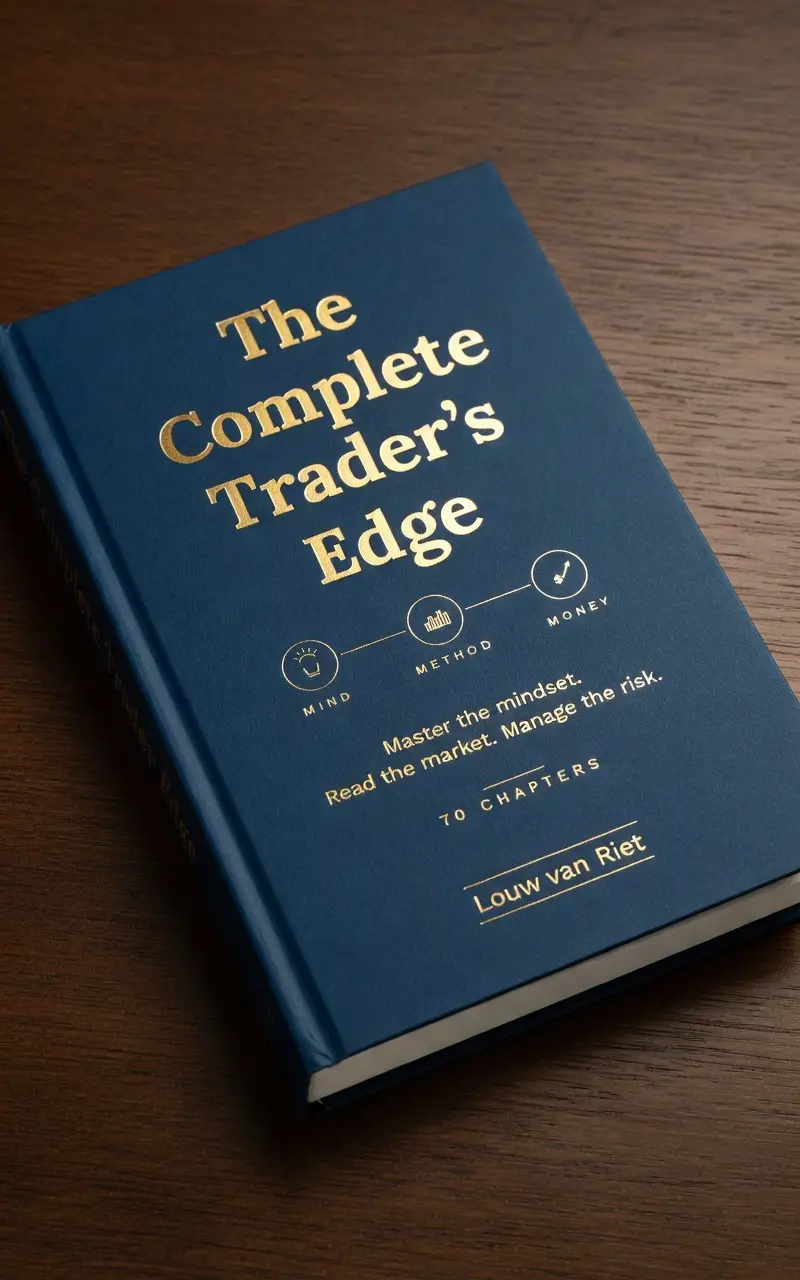
The Complete Trader’s Edge
70 chapters. Mind, Method and Money taught from the ground up.
Market Mayhem
Four hundred years of bubbles and crashes, and the pattern that keeps repeating.

Greatest Companies
51 businesses, how the moats were really won. The investor’s volume.
Other country hubs
Same structure, different rulebook. Each hub is written for the trader who lives there.
New to all of this?
Start with the framework rather than the firm. Mind, Method and Money, in that order, for the reason most funded accounts fail on the first one.
Not tax, legal or financial advice. UAE regulation changed substantially on 1 January 2026 and transitional arrangements are still being applied. Nothing here substitutes for a UAE-registered tax adviser, a licensed adviser, or your own reading of primary sources – the CMA, DFSA, FSRA, VARA and the Federal Tax Authority. Verify all positions before acting.
Affiliate disclosure. CTE earns commission on some outbound links at no additional cost to you. It does not influence which firms are included or how they are assessed.
Last reviewed 19 October 2026. Next scheduled review after the CMA’s transition period ends.
 The Complete Trader's Edge
The full Mind · Method · Money framework. 70 chapters.
View on Amazon →
 Market Mayhem
400 years of bubbles, crashes, and the pattern that keeps repeating.
Buy on Amazon →
 Greatest Companies
How the world's greatest companies were built — and what traders learn from them.
View on Amazon →
 Greatest Traders
Eighty-six lives that explain the markets — Livermore to Madoff, told with the losses left in.
View on Amazon →