

It is done. After fifty-one chapters, eight kinds of moat, and the better part of a year spent reverse-engineering how the most valuable companies on Earth actually survived, Greatest Companies is live on Kindle.
This is the third book in the Mind · Method · Money trilogy, and in some ways it is the one I most wanted to write. The first book taught the framework. The second turned it loose on four centuries of crashes. This one points it at the companies themselves and asks a single, stubborn question: how did any of them make it?
51 Companies · 8 Moats · 195,000 Words · 1 Framework
Every empire was once an underdog
We tend to study great companies at the finish line, when the outcome is already settled and the success looks inevitable. That is exactly the wrong place to look.
Amazon fell ninety-four percent and took a decade to recover its old high. Apple came within ninety days of bankruptcy. Nvidia lost nine-tenths of its value before it built the age of AI. Every company we now call invincible passed through a stretch where its failure looked certain, and most of the lessons live inside that stretch, not after it.
“The companies look invincible now. Every one of them survived a stretch where it didn’t.”
Greatest Companies is built around that idea. It is not a gallery of winners. It is a study of survival.
One lens: Moat, Meltdown, Machine
Every company in the book is read through the same three-part frame.
The Moat. The durable edge, scale, network, brand, or a founder’s improbable bet, that kept rivals out.
The Meltdown. The crisis that should have ended the story, the stretch where failure looked inevitable.
The Machine. The compounding engine that turned survival into a fortune that lasted for decades.
It is the same logic that runs through the whole trilogy, turned outward onto the businesses themselves. Get the three parts in the right order and a company’s whole history snaps into focus.
Fifty-one companies, eight kinds of moat
The book is organized not by size or era, but by the single thing that made each company impossible to copy: scale and cost, network effects, the technology gamble, ecosystem lock-in, brand and heritage, capital allocation, the founder’s improbable bet, and a final, sobering group of cautionary tales where the moat itself became a trap.
From Standard Oil to SpaceX, from See’s Candies to TSMC, from the Dutch East India Company to Nvidia. A few of the chapters are already on the site, free to read in full:
- Amazon: The 94% Crash and the Cost of Being Right
- Apple: Ninety Days From Death to the World’s Most Valuable Company
- ASML: The One Machine the Whole World Runs On
- SpaceX: The Company That Bet Everything on Its Last Rocket
The book collects all fifty-one, fully edited, with the connective tissue that ties the patterns together into one argument.

The Greatest Companies book: Volume III of the trilogy
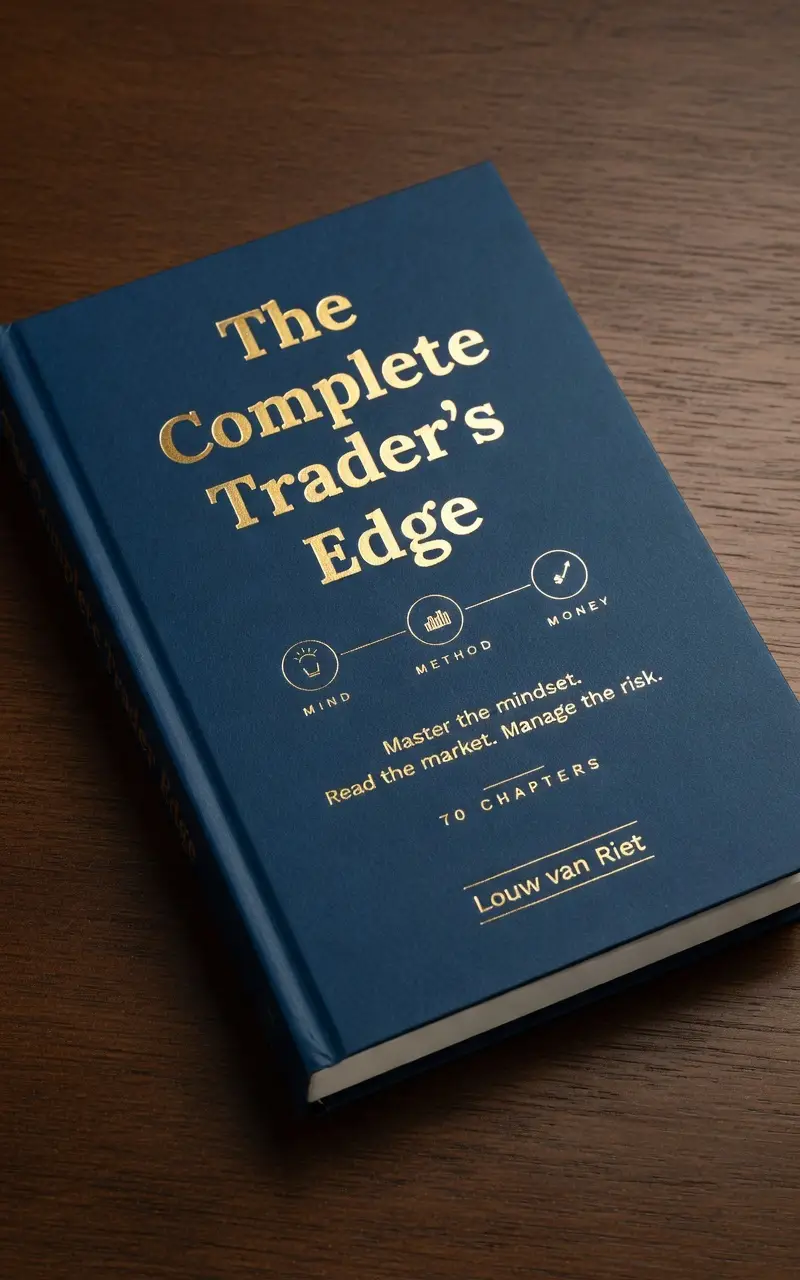
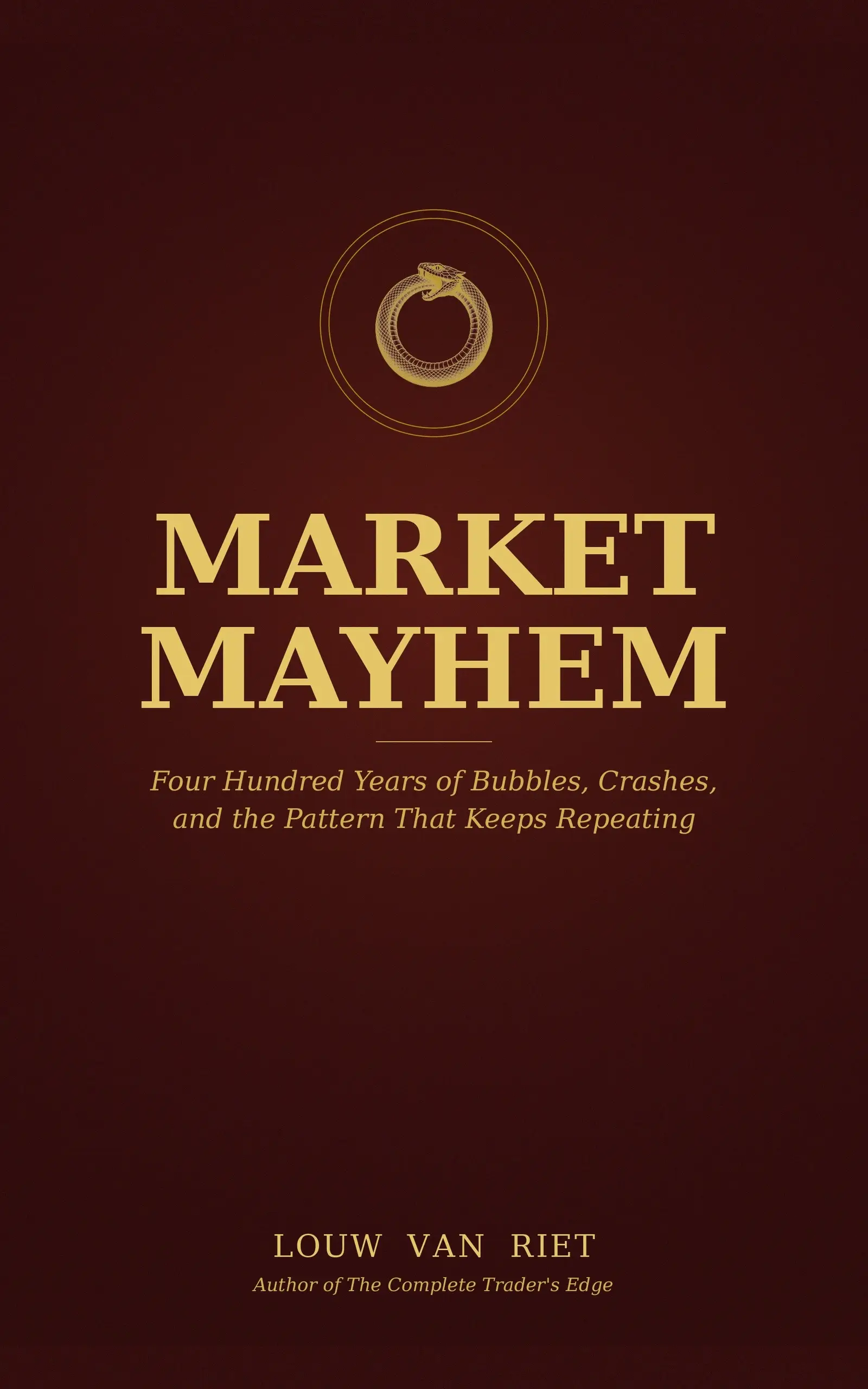
If you have read The Complete Trader’s Edge or Market Mayhem, this will feel like home. Same framework, same voice, a new subject. The Complete Trader’s Edge teaches the system. Market Mayhem shows why it matters, told through history’s worst financial disasters. Greatest Companies turns the lens on the businesses that survived those storms and compounded for decades afterward.
You can start anywhere. Each book stands on its own. Together they are one long argument about how capital actually compounds, and what it costs to hold on long enough to see it.
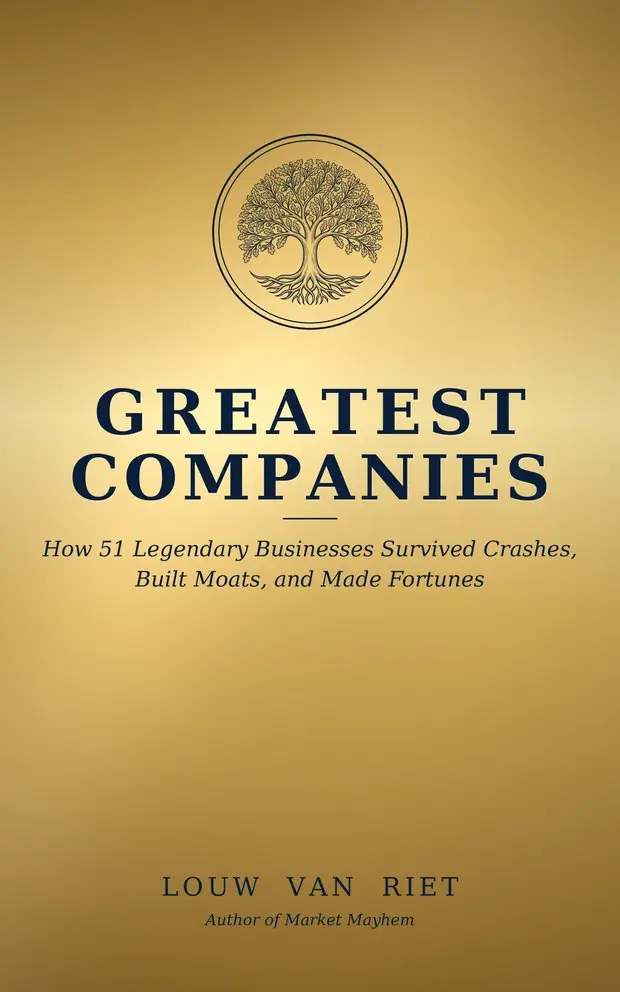
★ Now in Kindle, Paperback & Hardcover
Greatest Companies
Fifty-one legendary businesses, read through one lens: Moat, Meltdown, Machine. The crashes, the comebacks, and the compounding machines behind the most valuable companies ever built.
Kindle · $9.99 →
Paperback · $24.99 →
Hardcover · $34.99 →
Explore the Book →
All three editions are now live: Kindle at $9.99, paperback at $24.99, and hardcover at $34.99. If you read it, I would love to hear which chapter hit hardest.
— Louw
 The Complete Trader's Edge
The full Mind · Method · Money framework. 70 chapters.
View on Amazon →
The Complete Trader's Edge
The full Mind · Method · Money framework. 70 chapters.
View on Amazon →
 Market Mayhem
400 years of bubbles, crashes, and the pattern that keeps repeating.
Buy on Amazon →
Market Mayhem
400 years of bubbles, crashes, and the pattern that keeps repeating.
Buy on Amazon →
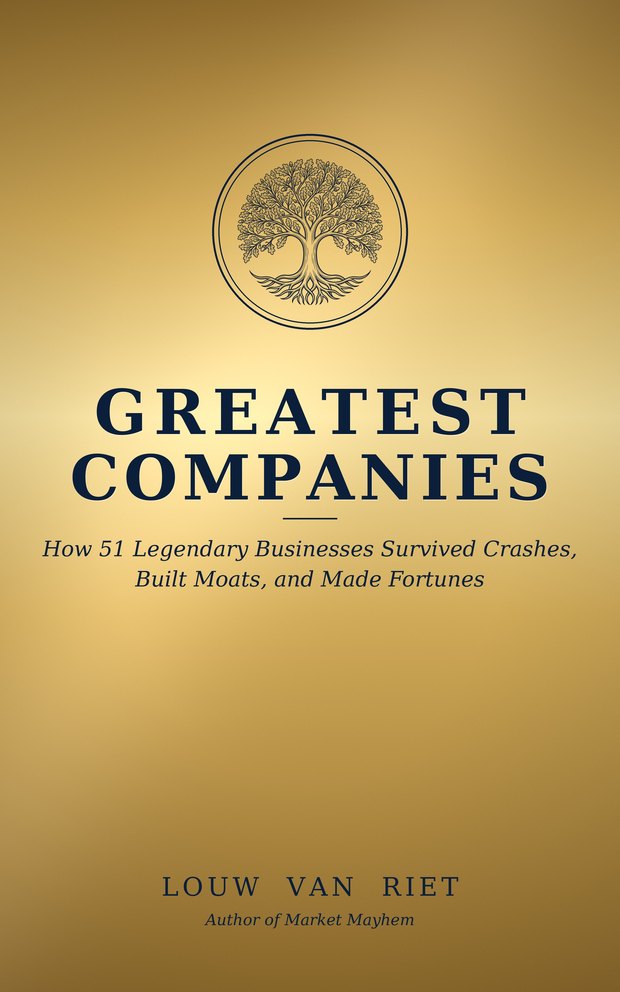 Greatest Companies
How the world's greatest companies were built — and what traders learn from them.
View on Amazon →
Greatest Companies
How the world's greatest companies were built — and what traders learn from them.
View on Amazon →
 Greatest Traders
Eighty-six lives that explain the markets — Livermore to Madoff, told with the losses left in.
View on Amazon →
Greatest Traders
Eighty-six lives that explain the markets — Livermore to Madoff, told with the losses left in.
View on Amazon →