FundingPips Review 2026: Fees, Rules, Payouts & Honest Verdict
Our honest FundingPips review 2026: $200M+ paid, up to 100% profit split via Hot Seat, challenges from $29. Rated 8.5/10 for ICT traders. Full breakdown inside.


Our honest FundingPips review 2026: $200M+ paid, up to 100% profit split via Hot Seat, challenges from $29. Rated 8.5/10 for ICT traders. Full breakdown inside.
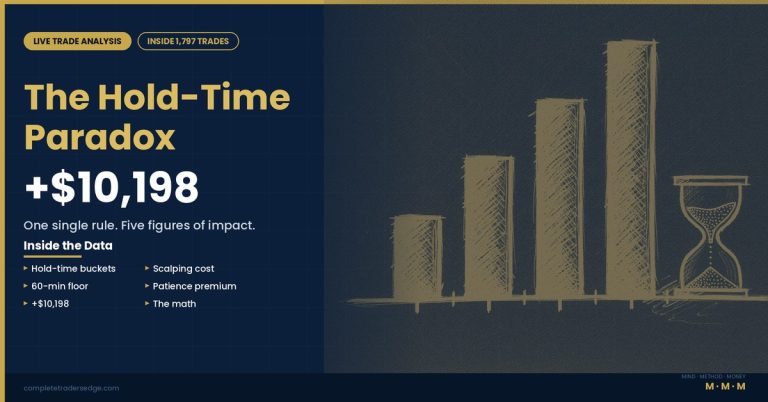
Most trading advice tells you to cut losers fast and let winners run. Trader A, the anonymous prop firm trader whose 1,797 trades across 12 FundedNext accounts we have been dissecting in this series, followed half of that advice religiously.…
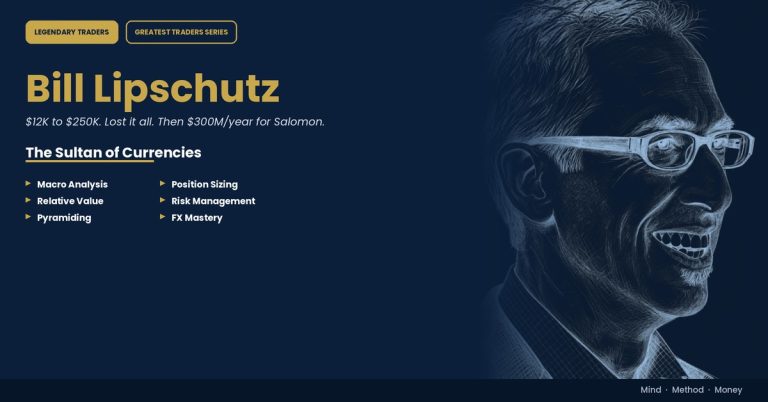
GREATEST TRADERS · EPISODE 15 Bill Lipschutz The Sultan of Currencies, the $12,000 Inheritance, and the Method Behind It ▶ Watch on YouTube🎵 Listen on Spotify Also available on Apple Podcasts · Amazon Music Profile · At a Glance Bill…

THE TRADER’S PHYSICAL EDGE · EPISODE 03 The Trader’s Diet: How What You Eat Drives Your P&L What you put into your body is the second-most important input to your trading day. PILLAR · FUEL If sleep is the foundation,…
On the morning of 18 May 2012, Facebook was the most anticipated public offering of a generation. It priced at $38 a share, raised about $16 billion, and arrived carrying a valuation near $104 billion, the largest technology debut the…

UPDATE · 4 AUGUST 2026 SpaceX has now listed and filed its first quarterly results. Revenue came in at $7.81 billion against consensus near $6.9 billion, alongside $18.37 billion of capital expenditure. For the numbers and what they mean for…
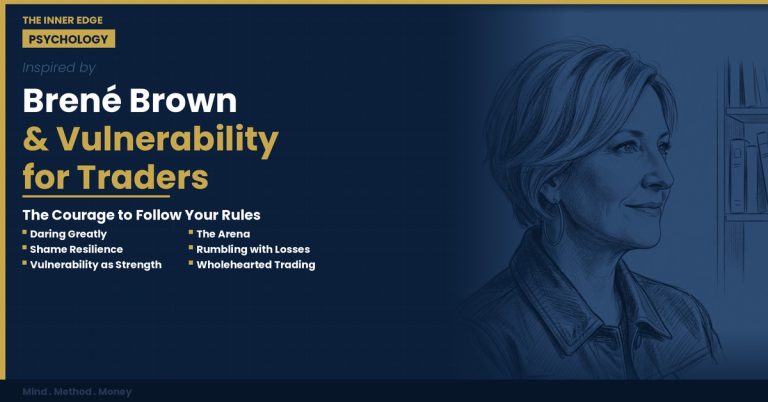
Brené Brown's research on vulnerability, shame resilience, and courage applies directly to trading. The fear of being wrong, the shame after losses, and the perfectionism that prevents execution are all vulnerability problems with proven solutions.
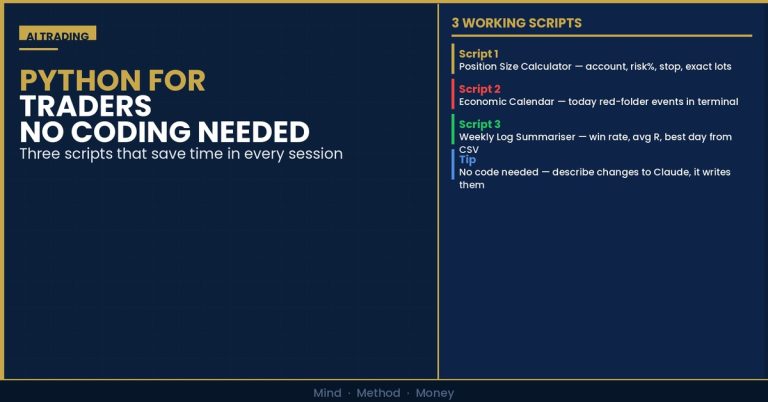
Three working Python scripts for traders with no coding experience: a position size calculator, an economic calendar fetcher, and a weekly trade log summariser. Set up in 10 minutes, saves time every session.
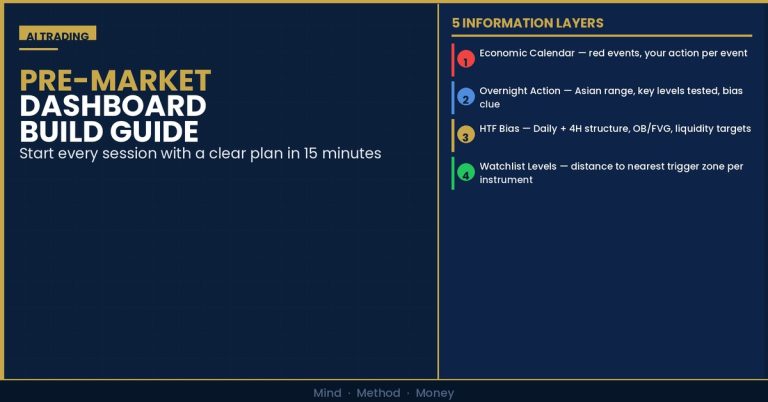
How to build a pre-market dashboard using free tools and AI summaries. Three approaches from a 5-minute Google Sheets layout to an AI-generated daily brief — so you start every session with a clear, structured plan.
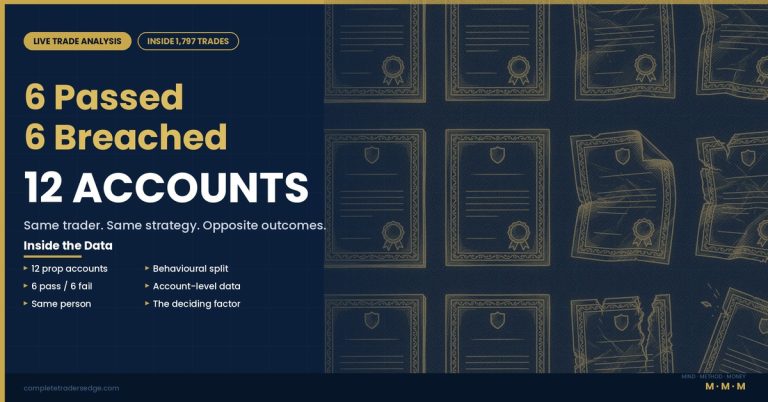
Six accounts passed. Six accounts breached. The trader was the same person. The platform was the same. The strategy was, in their own description, the same gold setup. By any reasonable expectation the outcomes should have clustered. They did not.…
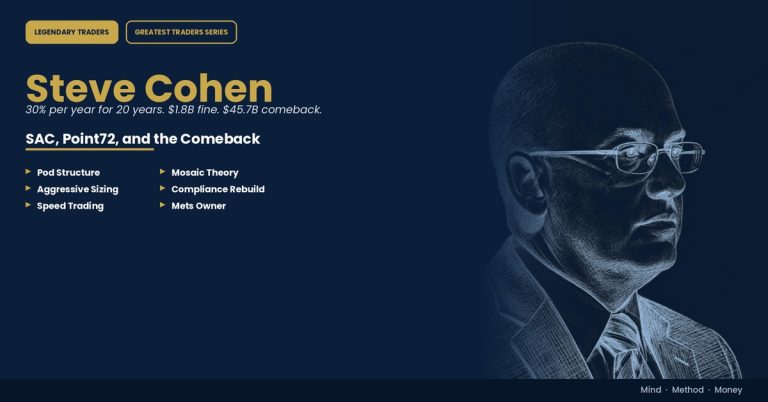
GREATEST TRADERS · EPISODE 14 Steve Cohen SAC Capital, the $1.8 Billion Fine, and the Rebirth as Point72 ▶ Watch on YouTube🎵 Listen on Spotify Also available on Apple Podcasts · Amazon Music Profile · At a Glance Steven A.…
Our honest Robinhood review 2026: $0 commissions, Gold perks, Legend desktop, futures and crypto. Full fee breakdown and comparison. Rated 7.5/10.
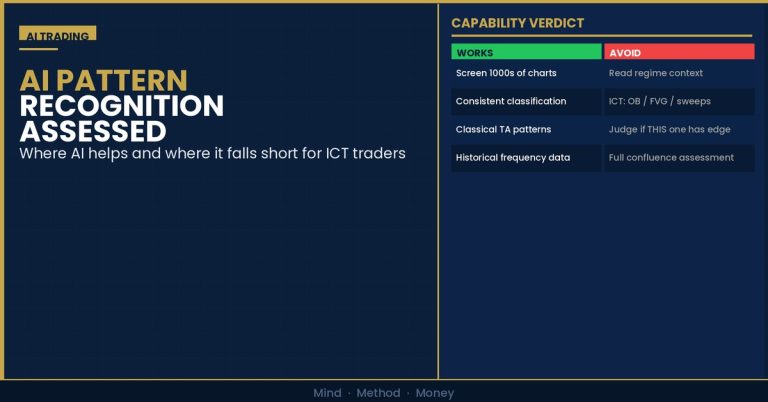
Can AI pattern recognition tools replace manual chart analysis? An honest assessment of where AI genuinely helps traders, where it falls short for ICT/SMC approaches, and the best available tools for different trader types.
Market Mayhem · Episode 10 · 1989–2024 · Japan The Sun Also Falls Japan’s Lost Decades: The Market That Took 35 Years to Recover Nikkei 38,915 on December 29, 1989. The same level reached again in 2024. “Markets always come…
INSIDE THE MACHINE · EP. 3 The Dark Pool: The Invisible Market Where 40% of Trades Happen How Markets Really Work — Episode 3 Listen on Spotify Watch on YouTube Also available on Apple Podcasts · Amazon Music · iHeart…
Our honest FTMO review 2026: $200M+ paid, 80-90% profit split, 2-step challenge from ~€155. Full rules, fees, scaling breakdown. Rated 9.0/10.
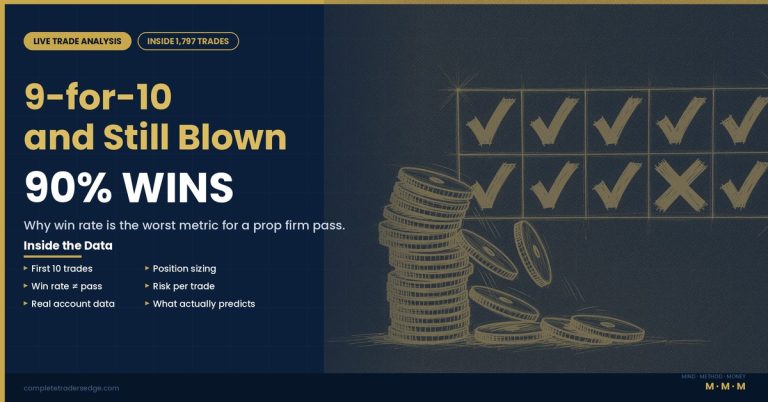
You can win nine of your first ten prop firm trades, be up money on day one, and still blow the account a month later. We have the receipts. This is the third post in our forensic series on 1,797…
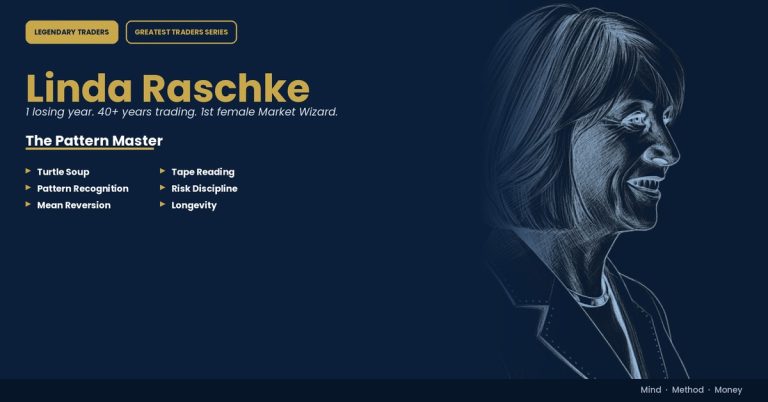
GREATEST TRADERS · EPISODE 13 Linda Raschke Turtle Soup, the First Market Wizard, and One Losing Year ▶ Watch on YouTube Also available on Apple Podcasts · Amazon Music Profile · At a Glance Linda Bradford Raschke Born 1959, Pasadena,…
THE TRADER’S PHYSICAL EDGE · EPISODE 02 Sleep and Trading: Why Less Than Six Hours Is Worse Than Drunk Trading The single highest-leverage protocol in this series. PILLAR · RECOVER If you read only one article in this 16-episode series…
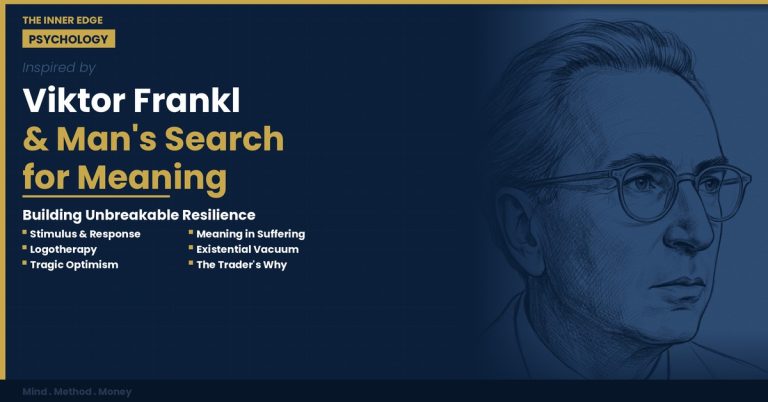
Viktor Frankl's Man's Search for Meaning reveals why some traders survive drawdowns while others break. The space between stimulus and response, meaning through suffering, and tragic optimism are the deepest psychology tools a trader can possess.
At 23:22 server time on a Wednesday night in late January 2026, Trader A clicked sell on a 0.01 lot silver position. Ten seconds later, before that first trade had moved a single tick, they clicked sell on gold. Then…

GREATEST TRADERS · EPISODE 12 Peter Lynch The Magellan Years and the Method That Made Them ▶ Watch on YouTube🎵 Listen on Spotify Also available on Apple Podcasts · Amazon Music Profile · At a Glance Peter Lynch Born 19…

Our honest FXIFY prop firm review 2026: up to $400K funding, 90% profit split, 5 challenge types. Full fee breakdown, rules, payouts, and ICT trader analysis. Rated 8.2/10.

Scene · a possible morning, not a prediction 9:41 AM. New York. The S&P 500 is down 7% and the orange “trading halt” banner has just appeared on Bloomberg terminals across three continents. Treasury yields are exploding higher. The CNBC…
The Complete Trader’s Edge
252 encyclopedia terms, every article, every tool. Misspellings are fine.

Subscribe and get the 8-page Trading Plan Template free — includes pre-session checklist, trade journal, risk rules, and weekly review system. Plus weekly insights on psychology, strategy, and risk management.
No spam. Unsubscribe anytime. Free forever.